In May 2025, I spent three weeks in Korea. I was living in Taiwan at the time and wanted to skip the rainy season – luckily, Korea’s rainy season starts about a month after Taiwan’s, so it was the perfect time for a trip. I spent three and a half weeks in the country, staying in hostels or in accommodation provided by the people I volunteered for via WHOOF Korea.
I lived in Korea for a year in 2022-2023 and I did get to see some really cool places whilst I was there – which is why a lot of your classic Seoul sites and Busan are missing from this list – but there were also so many places I wanted to go that I never got around to, so my goal of this trip was threefold:
- Visit parts of Korea that were on my must-do list but that I didn’t see when I was living in Korea – especially smaller cities and the countryside.
- Have opportunities to actually practice in-depth Korean, not just transactional Korean. I have a degree in the language and I’m a translator, so I wanted something that could push me – I ended up living with Korean performers for over a week, so that definitely helped me accomplish this.
- Buy lots of books (and teaware)! It’s cheaper for me to buy books whilst I’m in Korea and ship them back to the UK via VERY slow surface shipping than it is to import them from the UK because no company is willing to send me books by three month surface mail delivery.
Since this blog is largely about books and a little bit about my language studying, I thought I would combine all these things with a bit of a travel guide for people who:
- have been to Korea before and want to see something different
- OR have never been to Korea before, but want to see something a little of the beaten track
And of course, this post is also great if you’re just interested in finding some great independent bookshops to go to in Korea or if you’re just intrigued to see what books I bought – quite a few of which also have English translations!
Since about half of this post is a book haul, I am also linking it up to Stacking the Shelves, but I also want this to be useful as a travel guide. All of the locations I mention have links to their addresses on Naver Maps (Google maps works awfully in Korea, but their native Naver Maps DOES have an English option and app) and I’ve tried to give some tips to make the most of your trip as well.
Feel free to use the links below to jump around this most, as it’s quite a long one:
- Seoul (Part 1) – Palaces and Teahouses
- Volunteering in Sancheong
- Suncheon
- Boseong + Volunteering in Jangheung
- Gwangju
- Daegu and Haeinsa Temple
- Jeonju
- Gangneung
- Seoul Part 2 – Books, Food and Friends
And if you’re just here for the books, there are a couple here and there throughout, but the vast majority can be found in Seoul Part 2.
With all that housekeeping out the way, let’s begin!
Seoul (Part 1) – Palaces and Teahouses
Since I was flying into Incheon airport, I decided to start my trip in the Korean city I’m most familiar with: Seoul. I lived in Seoul for a year during my undergraduate and some how managed to never go to Changdeokgung (the second most famous of the royal palaces in the city). So I decided that this would be the trip I did it, and I’m so happy I did (and also paid to go into the secret garden, which is stunning).
I also spent some time in the Bukchon Hanok Village in the area around Changdeokgung and where I was staying, which is one of the higher concentrations of traditional buildings in the city. I’m massively into tea, so I tried out some great tea shops as well as doing some souvenir shopping (mostly art prints).
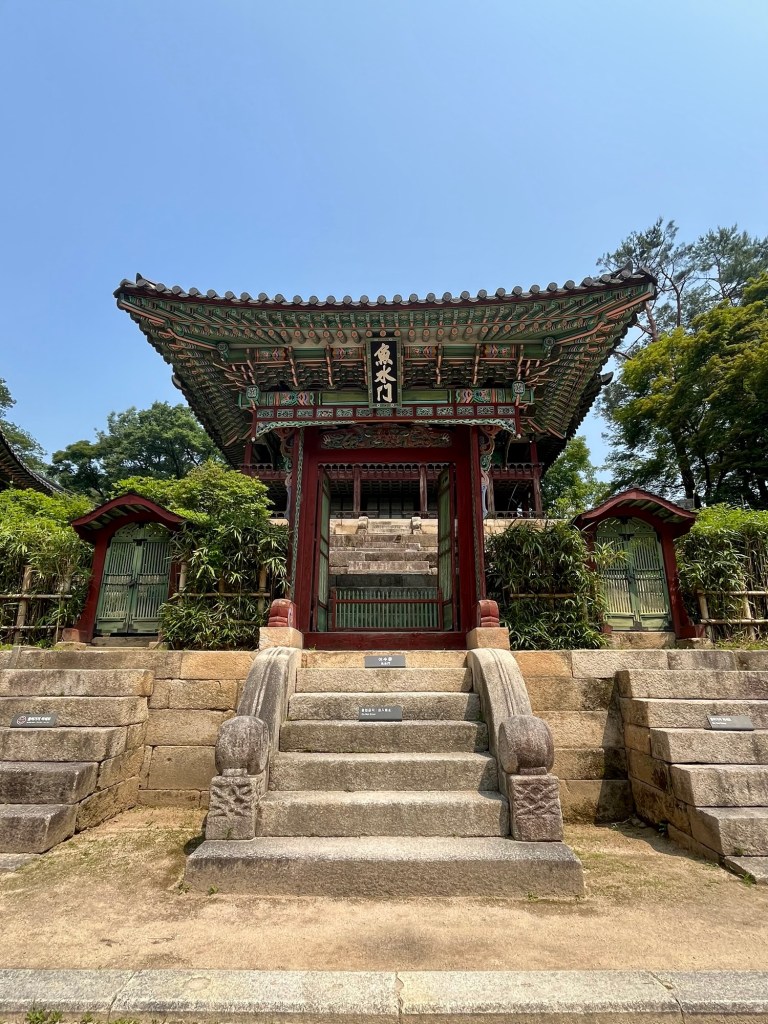
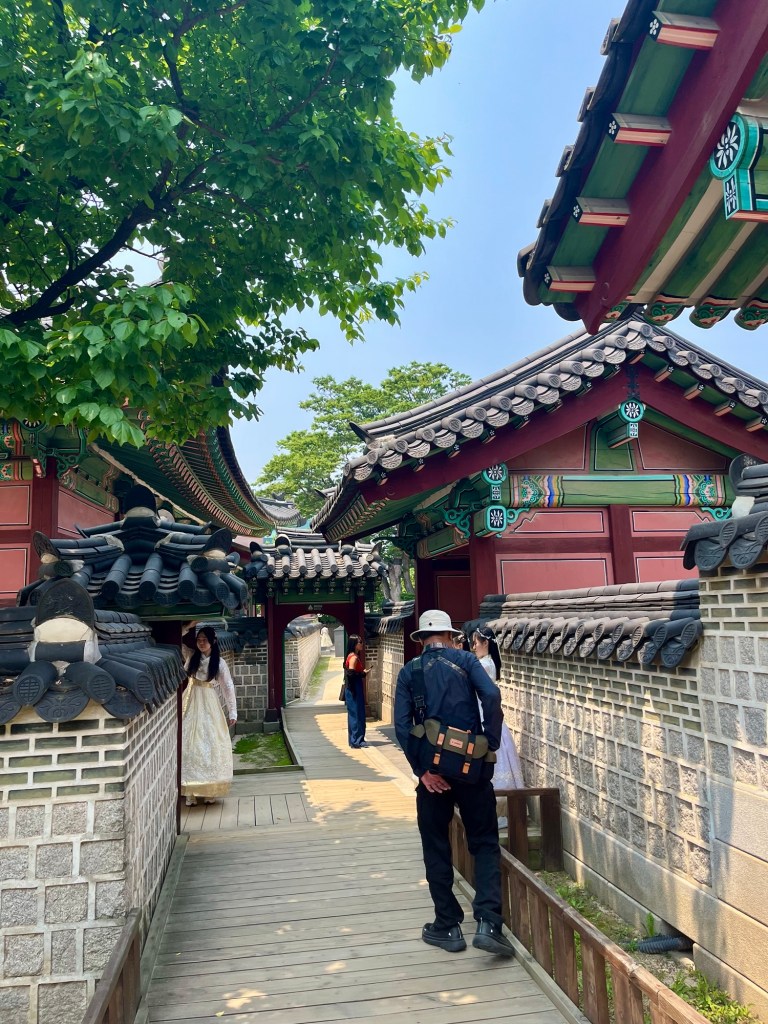
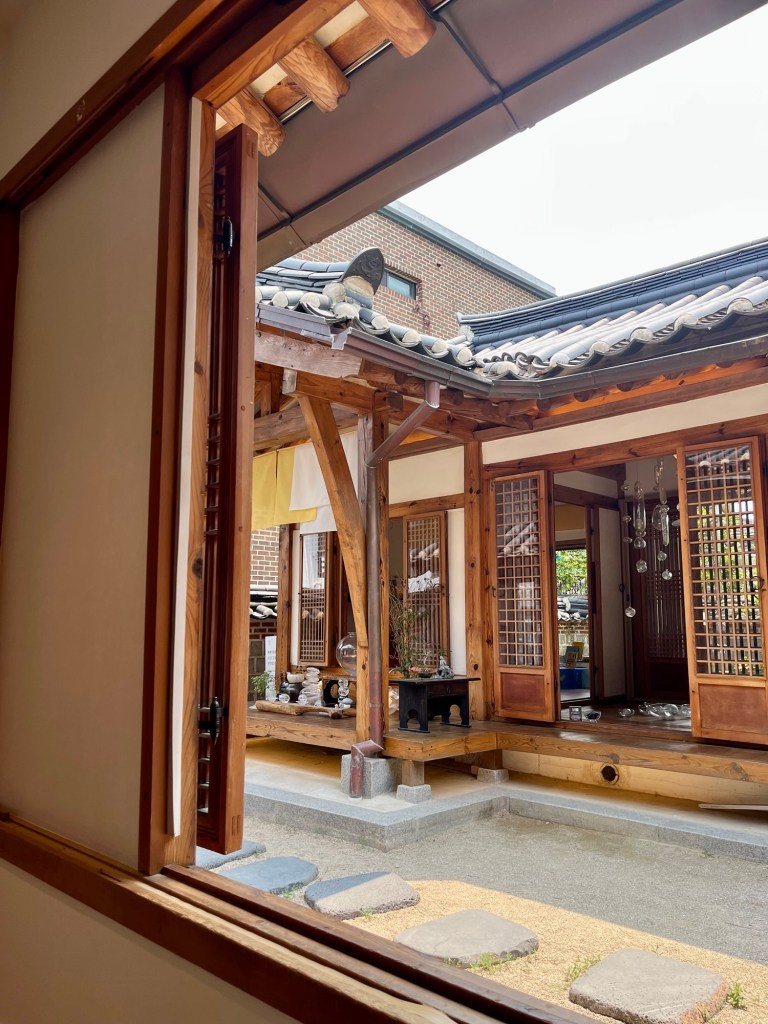
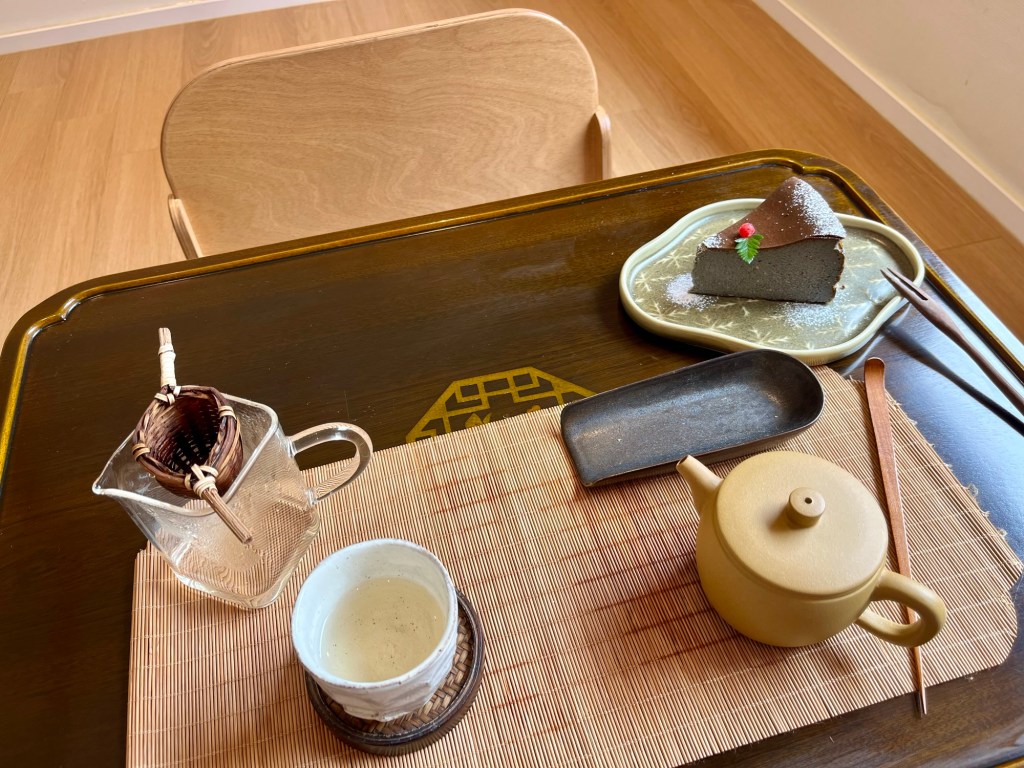
📍Changdeokgung Palace | Pictures 1 and 2 | Address | Website
📍Bukchon Hanok Village | Address
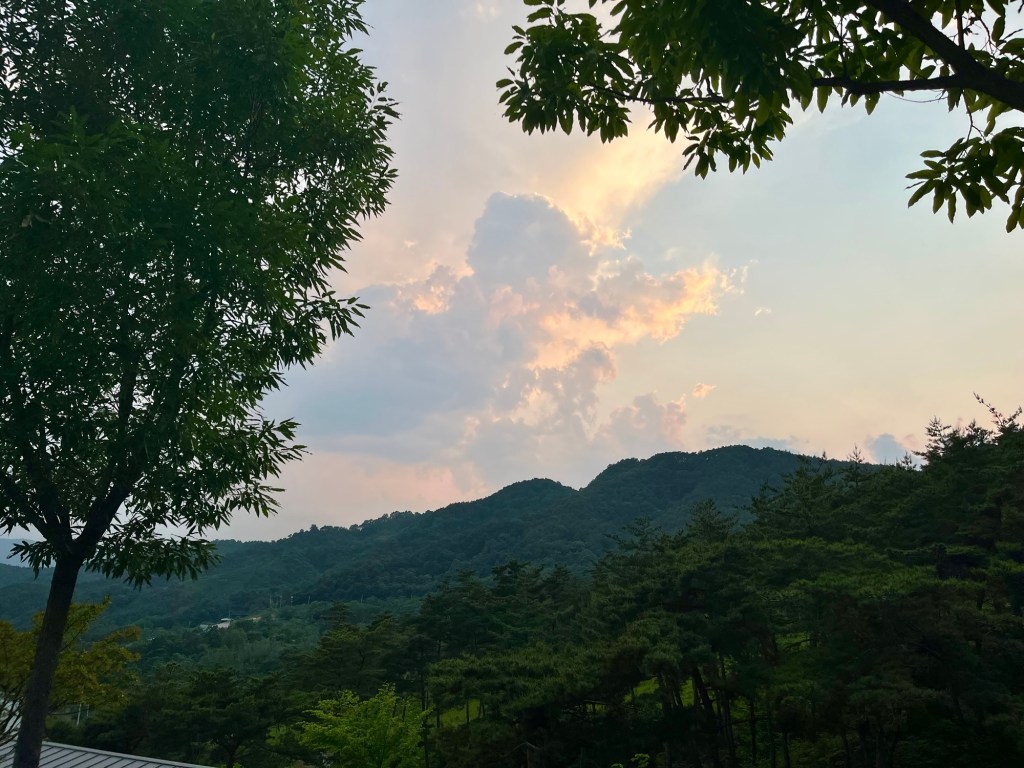
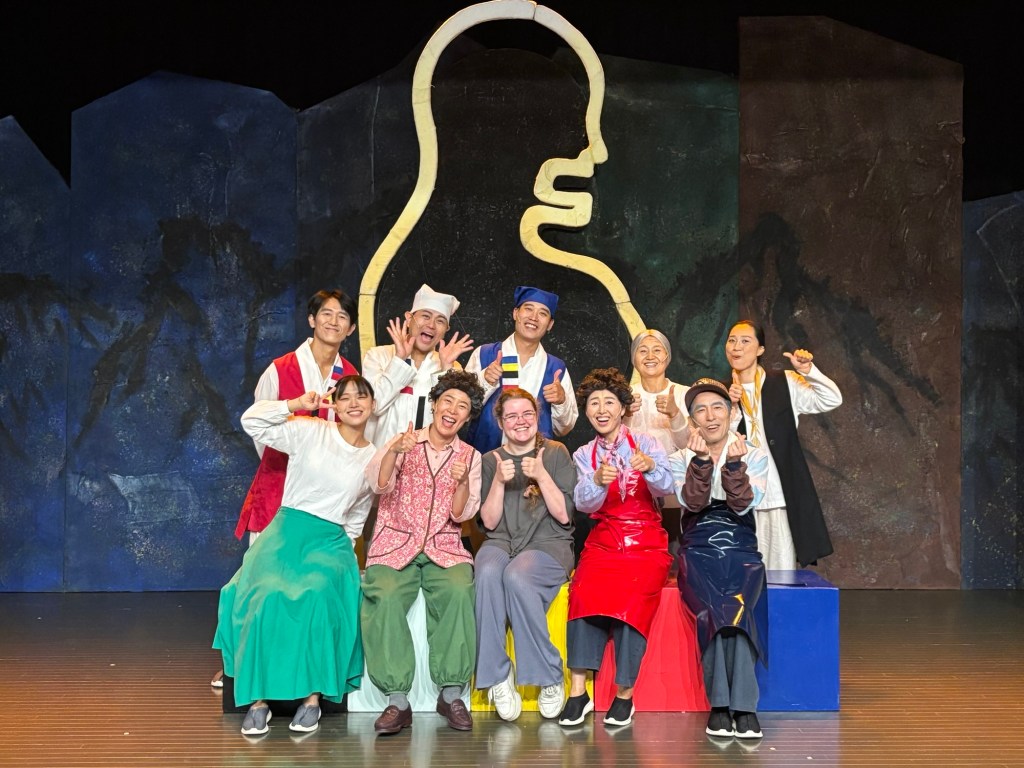
📍Bukchon Lounge Tea Club | Pictures 3 and 4 | Address
Top tips:
- Secret Garden admission in Changdeokgung costs more than the standard admission fee and you have to go in at the time on your ticket, but is so worth it (and is still relatively inexpensive).
- Bukchon Hanok Village can get quite crowded at the weekends and during peak season, but if you go off-season or during the week it can be very peaceful. Please do be mindful that this area is largely residential, so be respectful tourists! Lots of great teahouses and little crafts shops though. (Bring good shoes – quite hilly!)
- If there is space when you get to Bukchon Lounge, they might ask if you want to sit in the inside cafe area or if you want one of the private rooms (you walk past these on your way in – see picture 3). If you can sit on the ground, I highly recommend asking for a room as you’ll get a more traditional experience – I went alone and they were perfectly happy for me to have one to myself (some take 2 people, some take more) so don’t be afraid to ask if they’re not full!
I didn’t buy any books just yet, since this was the beginning of a LOT of bus journeys around the country and my luggage had no space – I brought a single carry on suitcase for three weeks of travel!
Volunteering in Sancheong
The next nine days of my trip was spent volunteering at a small artist’s commune in the mountains that is home to a troupe of performers who do traditional Korean plays with a modern twist and even do some on-location performances as tours around the local area. I did basic housekeeping and gardening work and in return I got to see some gorgeous countryside and watch some great plays. (It was also a great opportunity to practice my Korean as I ate with everyone multiple times a day except at weekends.)
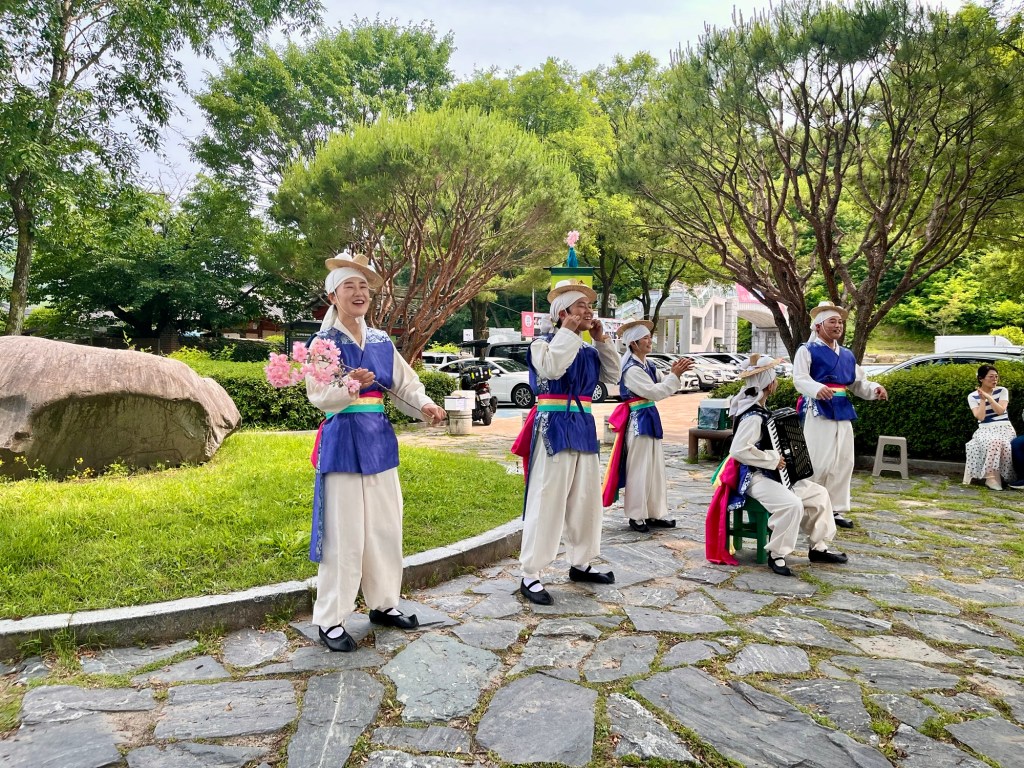
📍Keun Deul Village and Performing Arts Centre | Address | Facebook
Top tip: WHOOF Korea has lots of great volunteering opportunities like this that give you a chance to experience different types of Korean life outside the city centres!
I also didn’t buy any books here since I was literally in the middle of nowhere.
Suncheon
After doing some volunteering, I continued my journey south to Suncheon, a city on the south coast famous for its wetlands (picture 2). When I first got there, I went to the Culture Street, which has lots of cute little shops (including an independent bookshop!) and of course went to a very low-key tea house (picture 1). I then went to the wetlands (where I somehow managed to bump into the people who were sharing my room in the hostel – we became great travel buddies for the next couple of days).
On day two, I went to one of the two well-known temples in the nearby mountains. I actually opted for the less-famous of the two – Seonamsa (picture 2) – because it also boasts a huge tea house within walking distance (Suncheon Wild Tea House) where you can sit on the balcony of a traditional Korean house and drink Korean green tea whilst looking out across the countryside. Very beautiful.
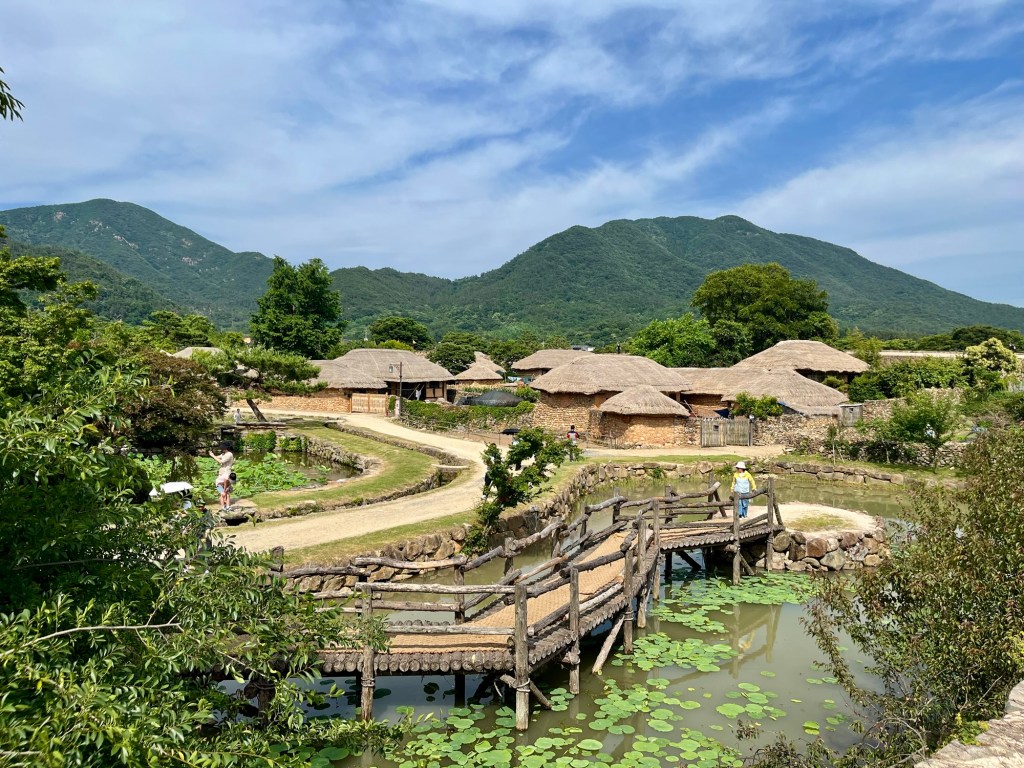
In the afternoon, I met up with one of my hostel roommates and we went to Nakaneup-seong Folk Village (picture 4) where we took a walk around the village walls and through the alleyways – a delightful mixture of actual people living there and recreations of an old village (complete with old-timey torture devices)!
We also happened to be there at the same time as lots of great, free music events, so I definitely made the most of those in the evenings.
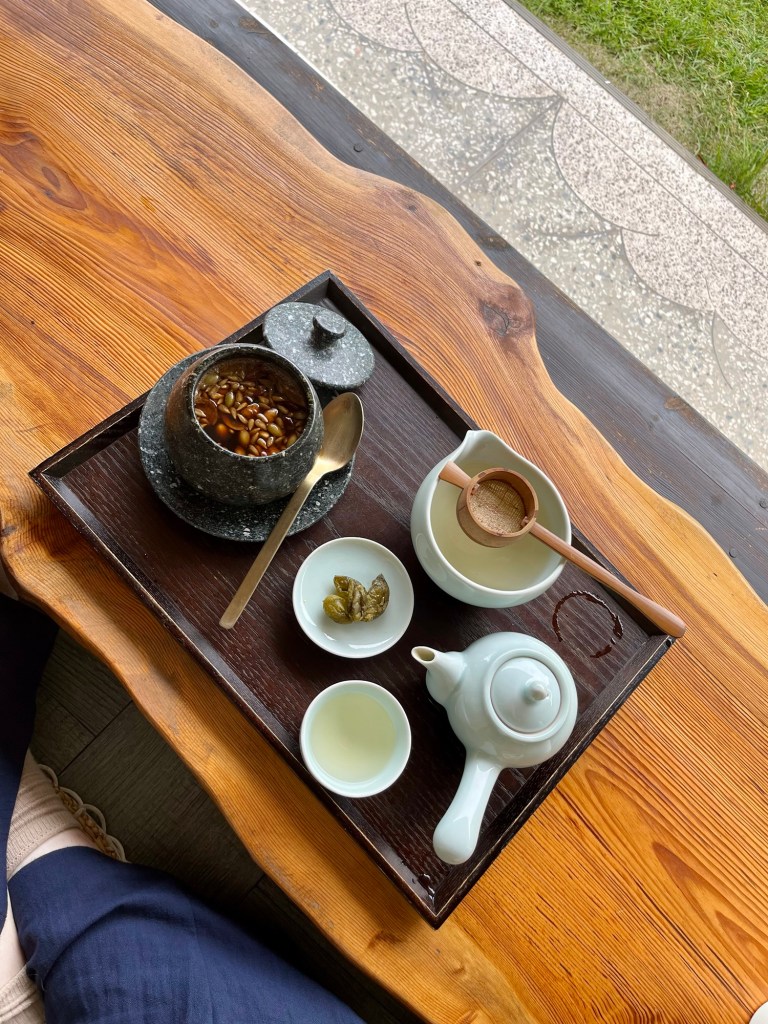
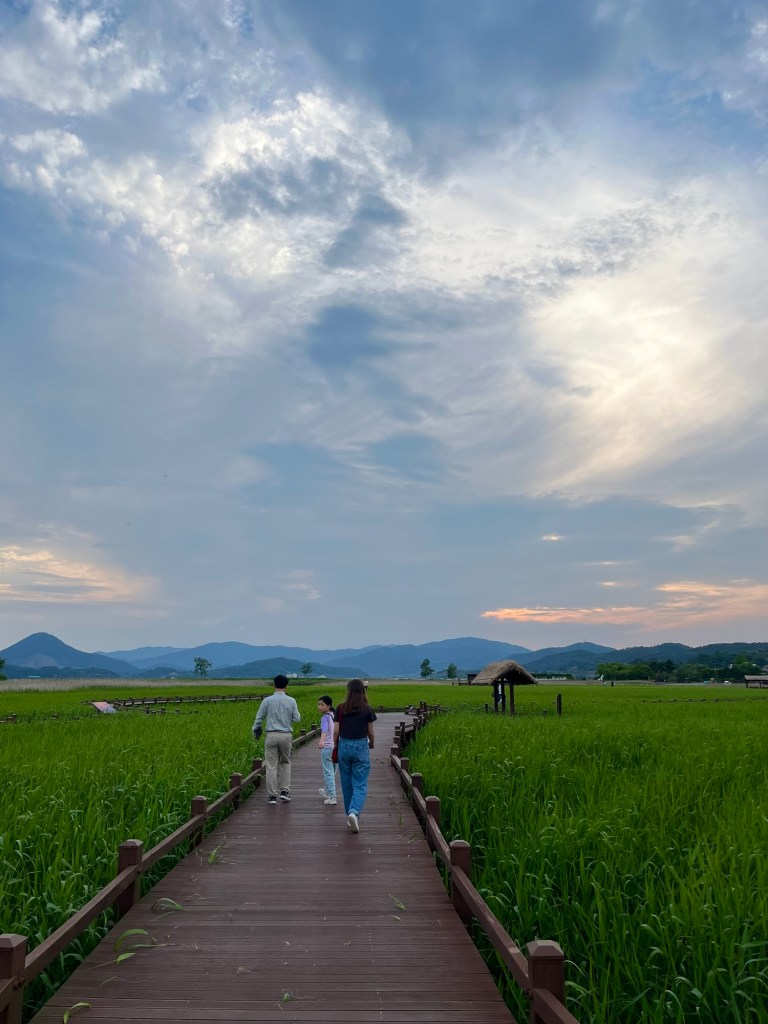
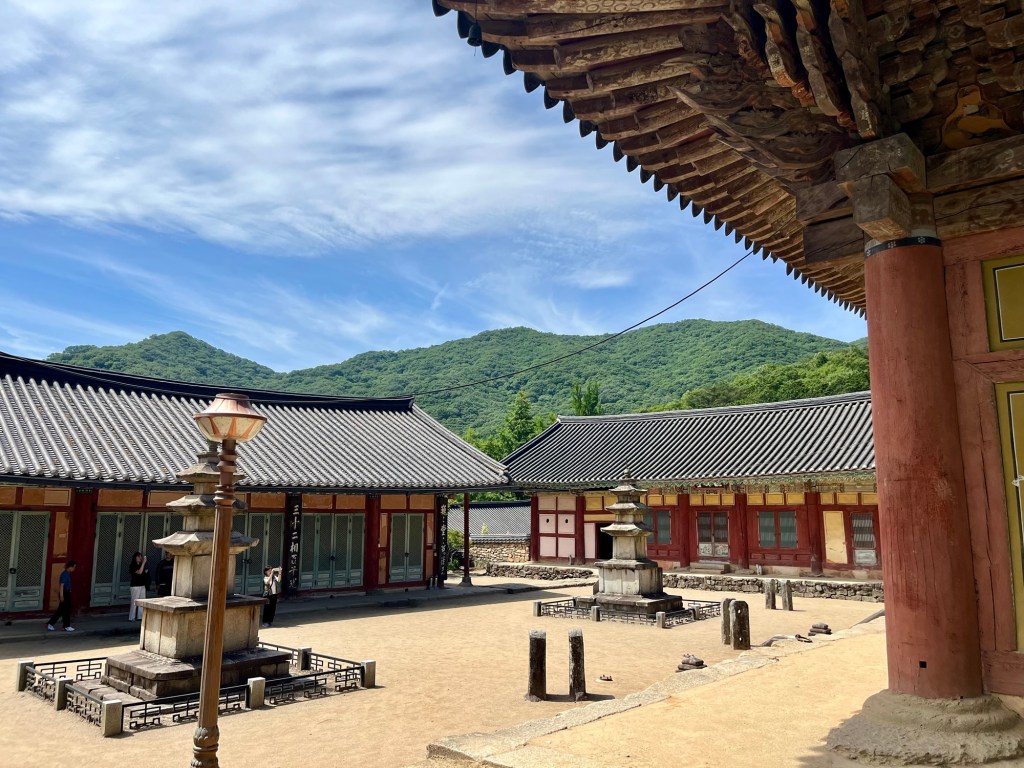
📍Daoljae Tea House | Address | Website
📍Culture Street | Address
📍Suncheon Wetlands Park | Address | Website
📍Seonamsa Temple | Address | Website
📍Suncheon Wild Tea House | Address
📍Nakaneup-seong Folk Village | Address | Website
Top tip: If you go to Suncheon, you must go to the wetlands. If you’re not a great walker/climber, then you can stick to the flat areas which are all nicely boarded (find some crabs in the grass!), but if you’re up for a short but steep 15 minute hike (again up a well-maintained path), I highly recommend following the signs for the observation deck, as it offers excellent views across the wetlands. If you go earlier in the day, there are also boat trips. Entry to the wetlands also gives you access to the sculpted gardens nearby if that’s your kind of thing.
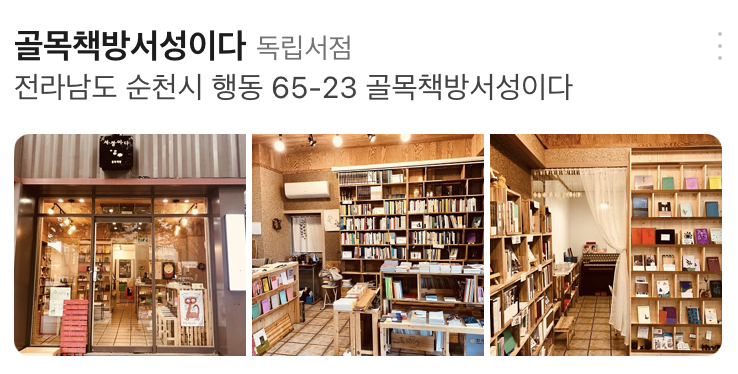
Suncheon marks the first of many bookshop stops on this trip, and I’m so happy I was able to start off the book shopping with an independent bookshop.
It’s located on the Culture Street and its name translates to “Alleyway Bookshop: Walking Around”. They have an Instagram called @walking_with_book and are open Tuesdays-Saturdays from 11-12 and 2-6. It’s super cute and not huge, but definitely worth popping in even if you don’t read Korean just for the vibes, especially since there are lots of other cute shops in the area as well.
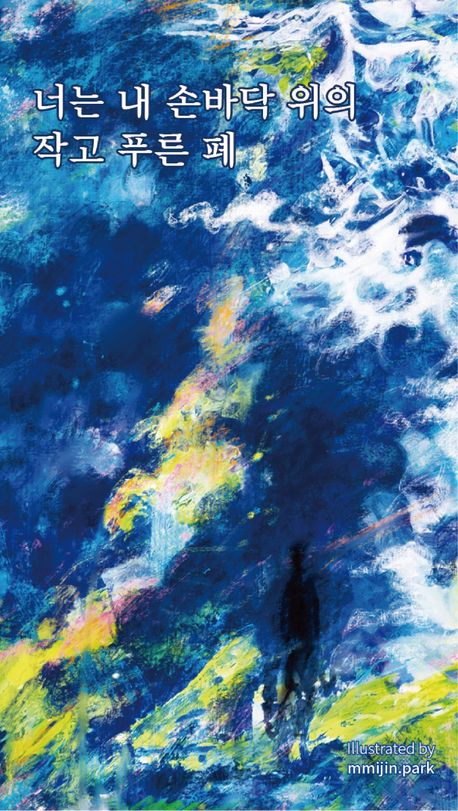
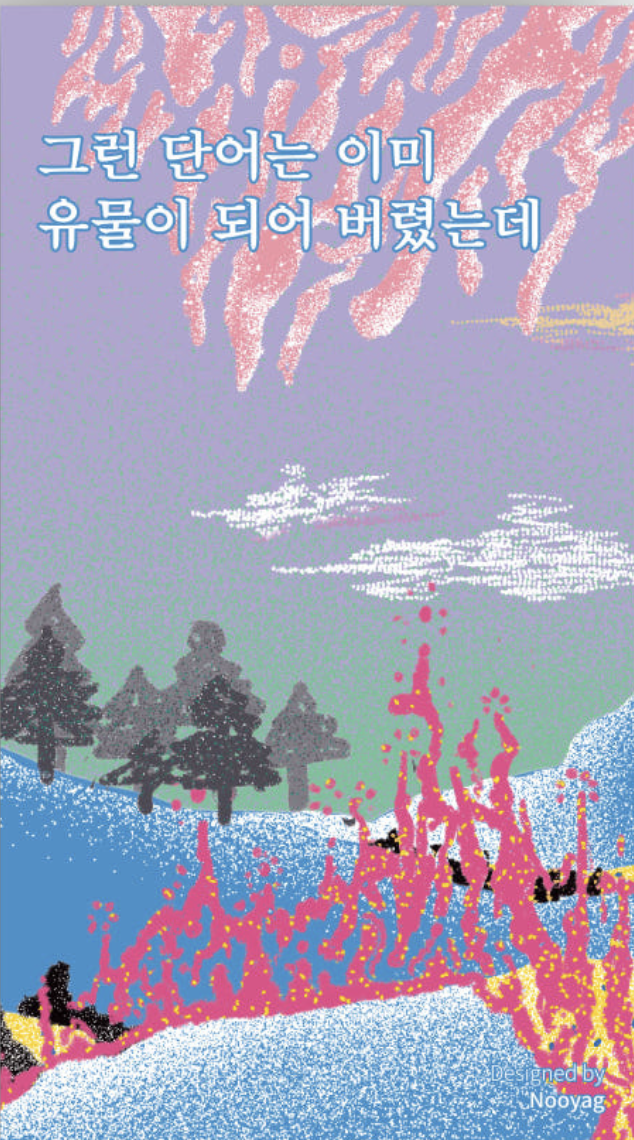
I bought two “books” at this shop, although they’re very untraditional books. They look like cigarette boxes (in terms of shape – they actually have stunning designs) and inside are different cards with poems by various authors related to a certain theme. I bought two:
- 너는 내 손바닥 위의 작고 푸른 폐 [You are a small, blue lung in my palm]
- 그런 단어는 이미 유물이 되어 버렸는데 [That word is already a relic of history]
Boseong + Volunteering in Jangheung
From Suncheon I took a day trip to the Boseong Green Tea Fields, and then I spent three days volunteering at an educational tea farm in Jangheung. If you’r down south, I highly recommend going to the Boseong tea fields – it’s accessible by public transport and although there are lots of people it doesn’t feel over-crowded – you can hardly see people in my picture below (picture 1).
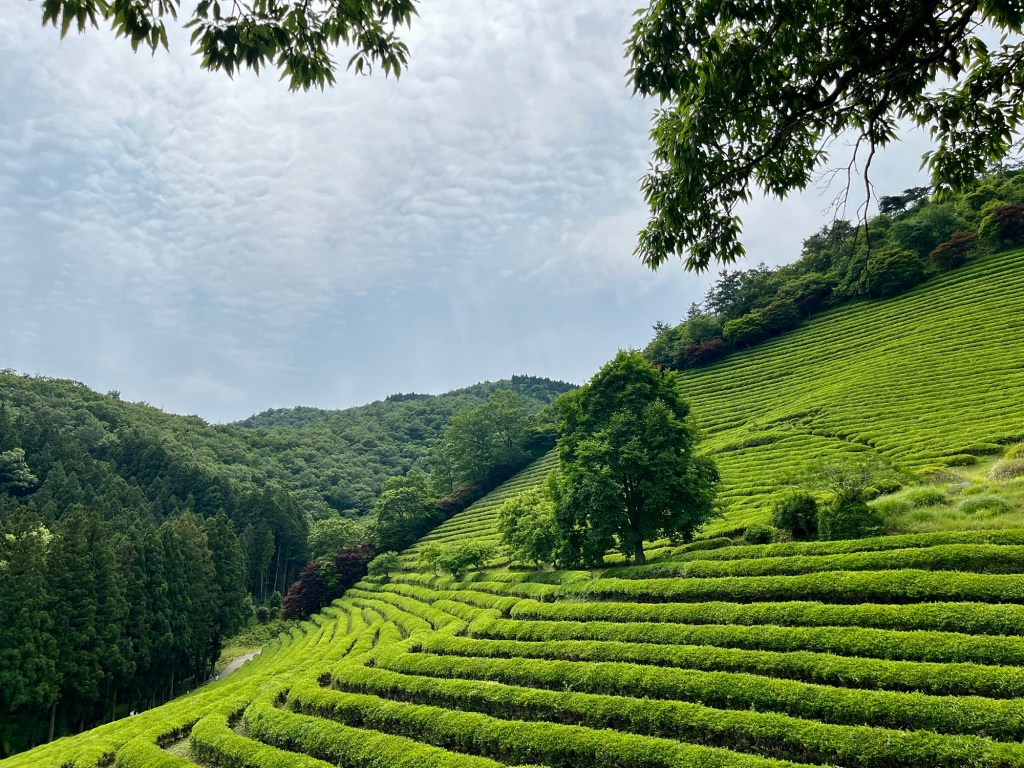
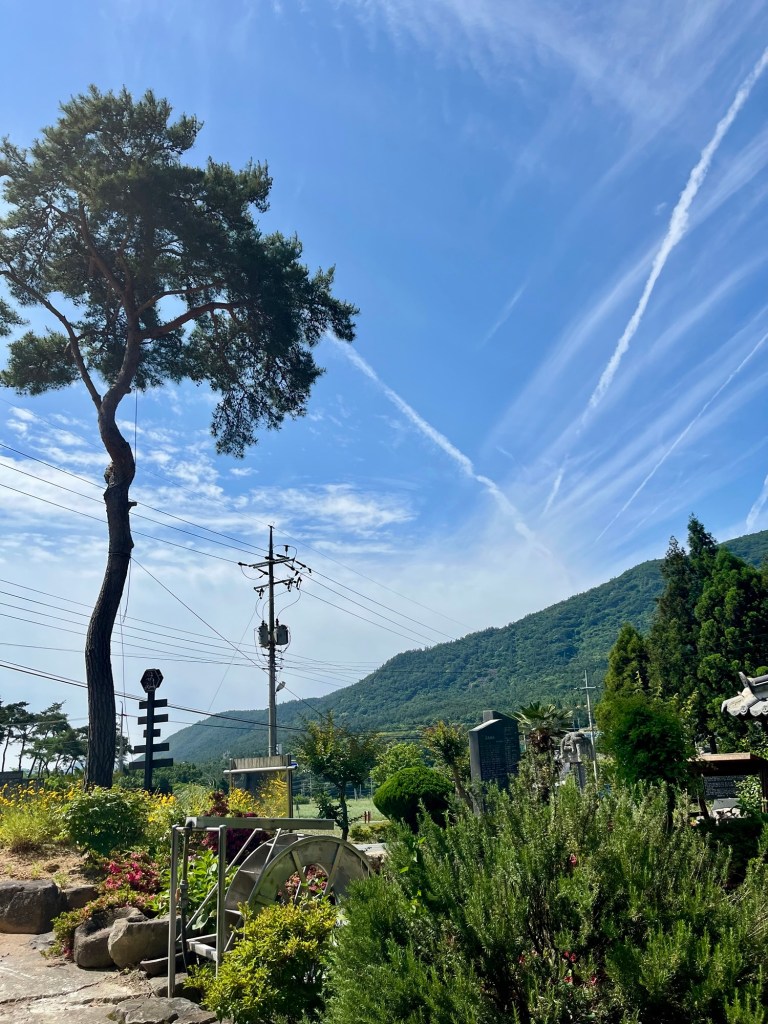
📍Dawon Boseong Green Tea Fields | Address | Website
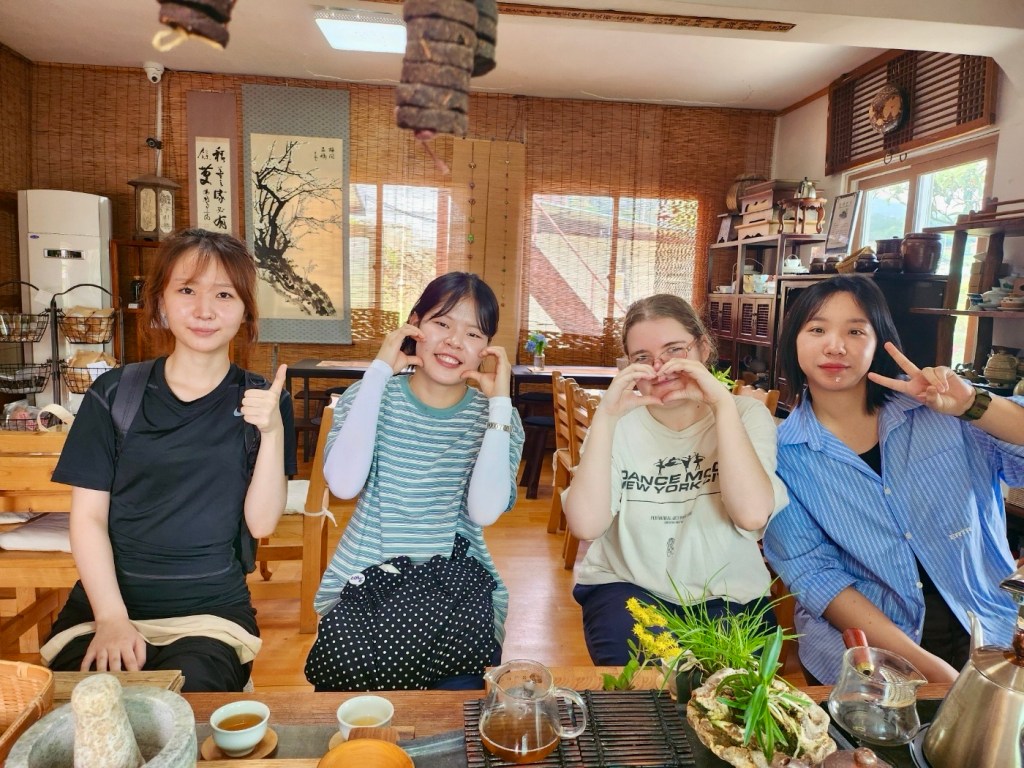
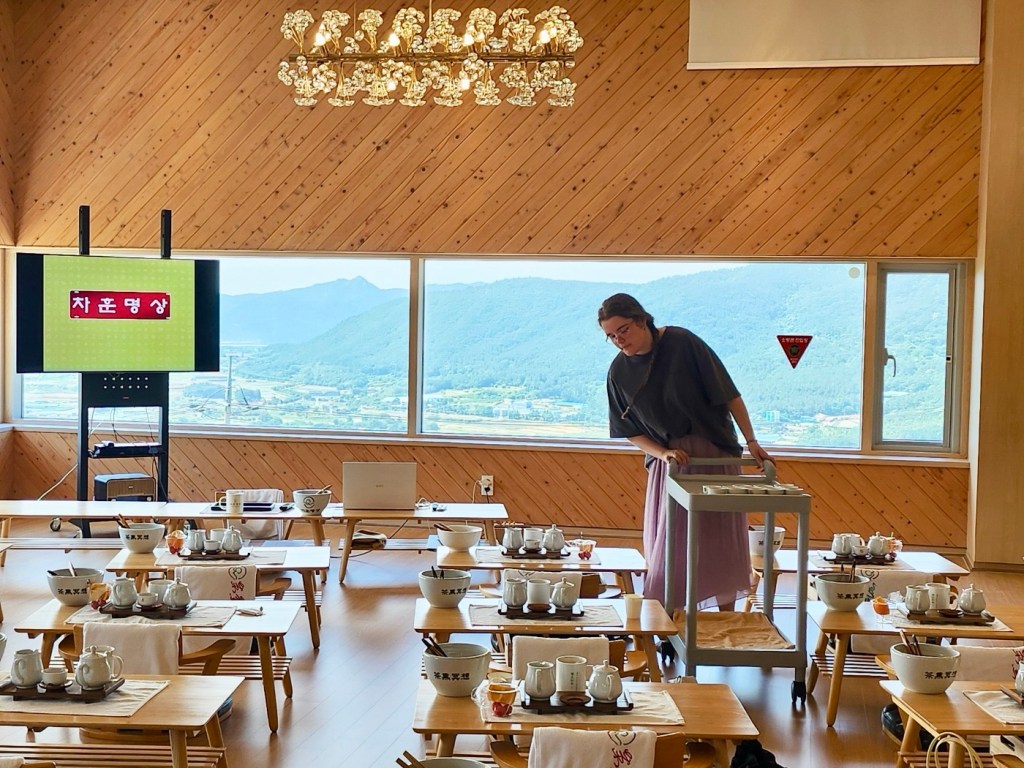
📍Jangheung Dayewon Educational Tea Farm | Address | Instagram
Top tip: The museum next to the green tea fields is also quite nice and sometimes has temporary exhibitions in the downstairs area – when we went there was an art exhibition and the artist herself was there and we could chat with her!
No books again here, since I was back in the middle of nowhere.
Gwangju
We’re back in the city, and this is one of the bigger Korean cities. It’s most well-known as the site of the 1980 Gwangju Uprising, a series of student-led demonstrations protesting martial law that was met by military force, killing between 600 and 2,300 people. It is the background of Han Kang’s Human Acts and of course the museum about the uprising is a must-visit when in the city.
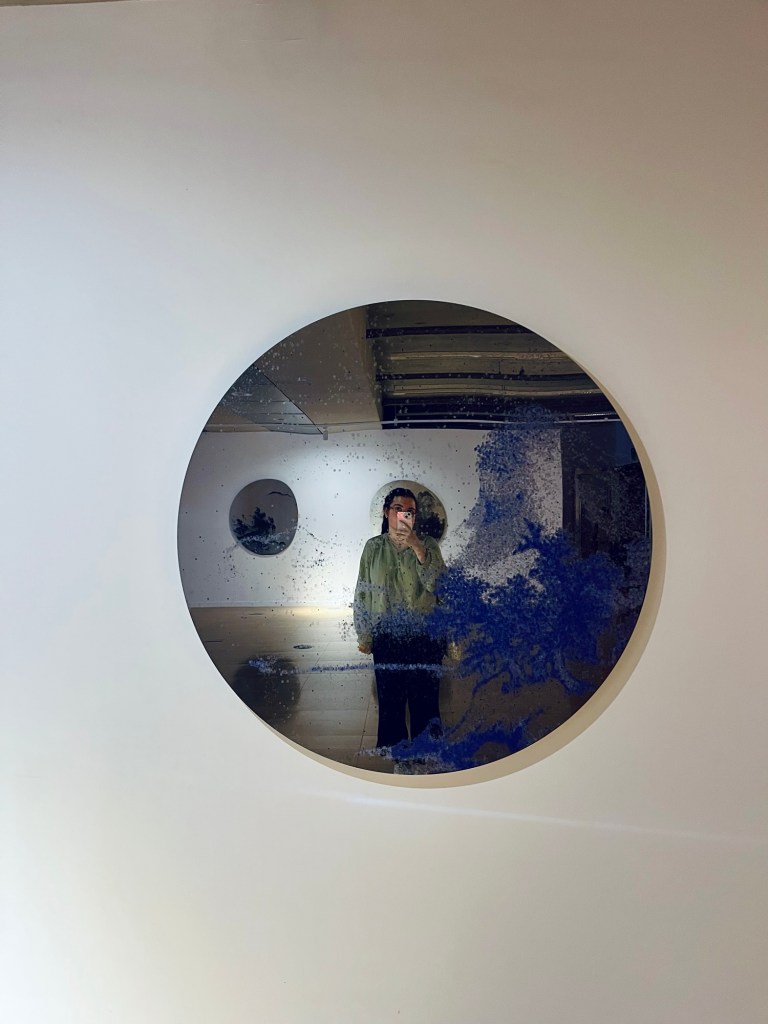
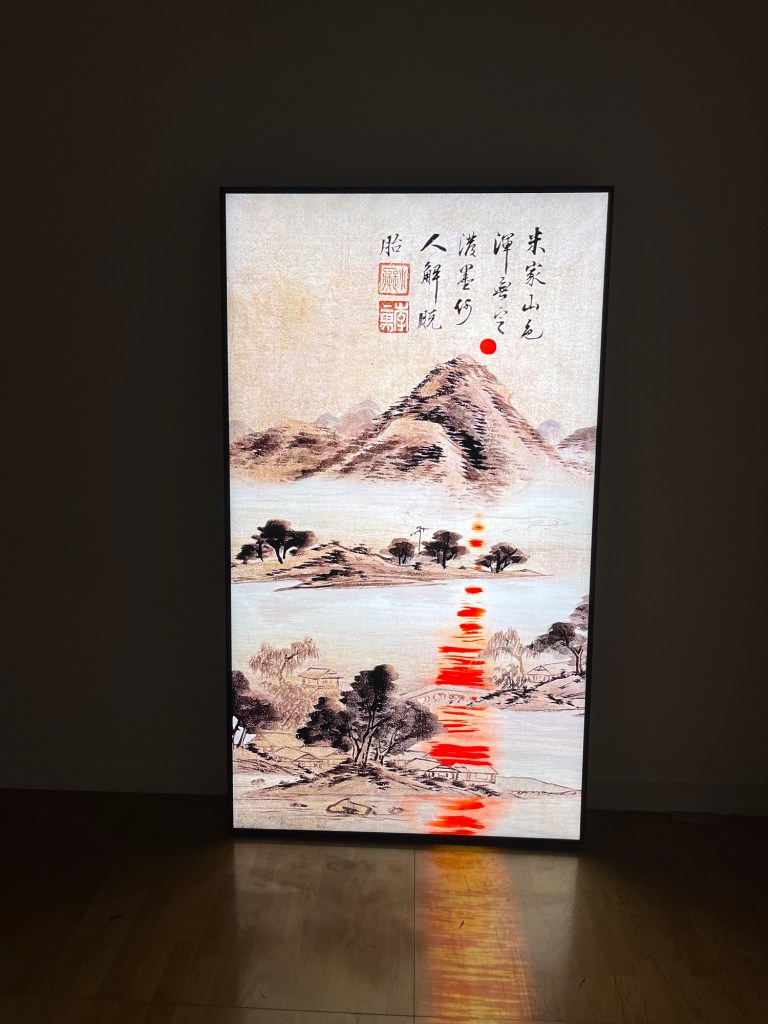
It’s also home to the National Asian Culture Centre, which hosts a variety of exhibitions and is free to visit. There’s always multiple exhibitions going on, so it’s definitely worth going and having a look, and you can look at their website to get an idea of what’s on in advance. When I was there I went to see the exhibition ‘Landscape Theatre of Lee Lee Nam’ and it was one of the most beautiful and impressive exhibitions I’ve ever been to (pics 3 and 4, not that they do it justice.)
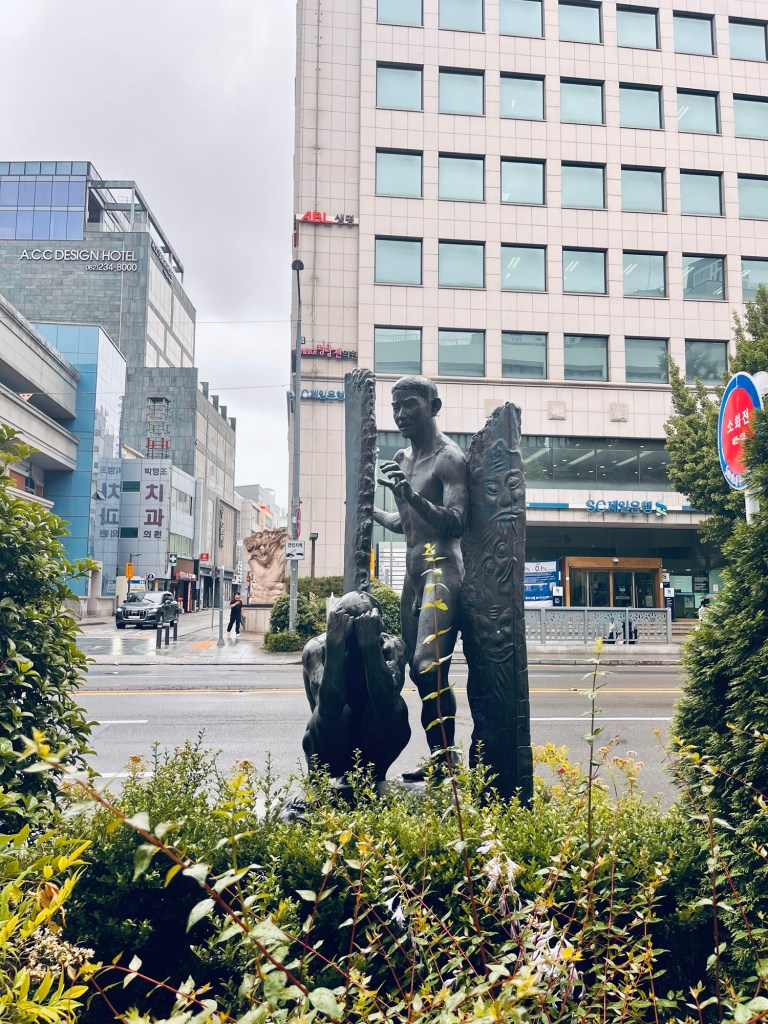
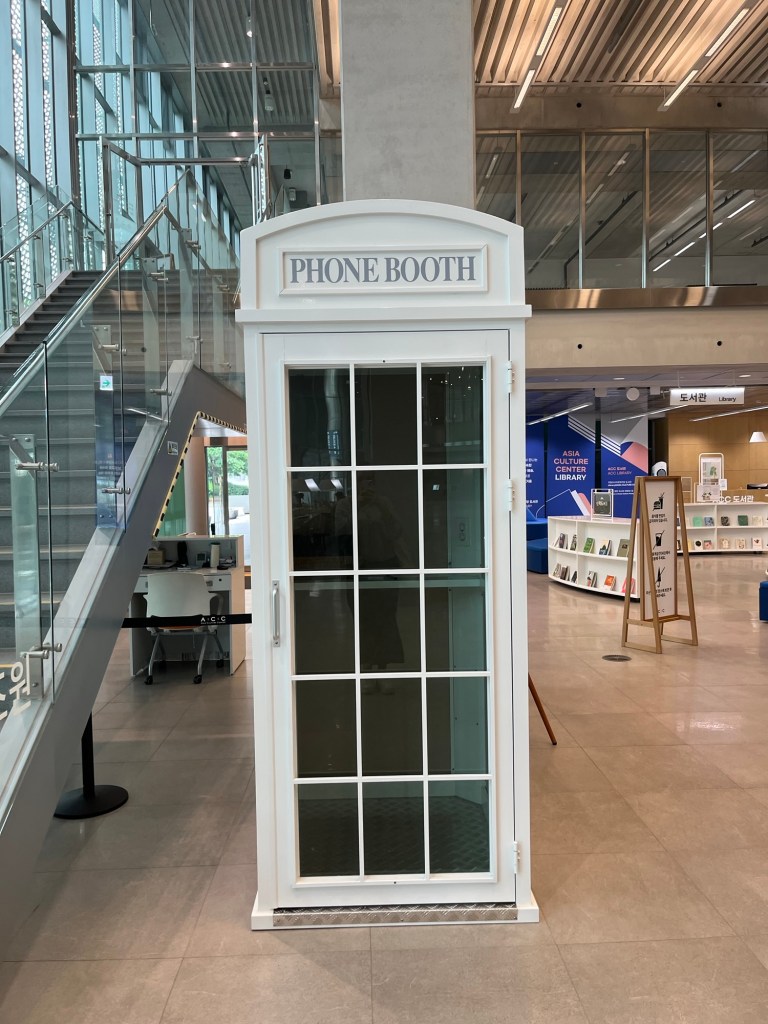
📍5.18 Democracy Movement Archives (Museum) | Address | Website
📍National Asian Culture Centre | Address | Website
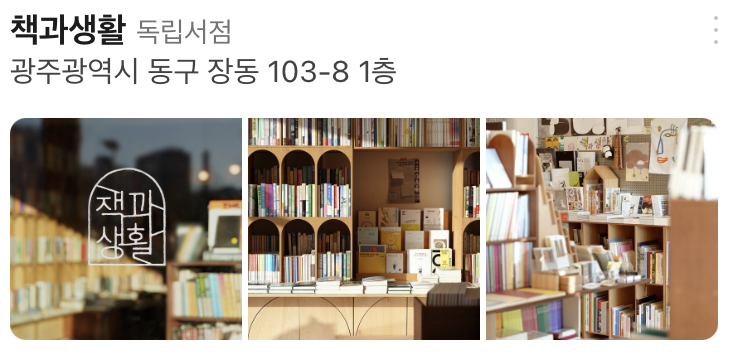
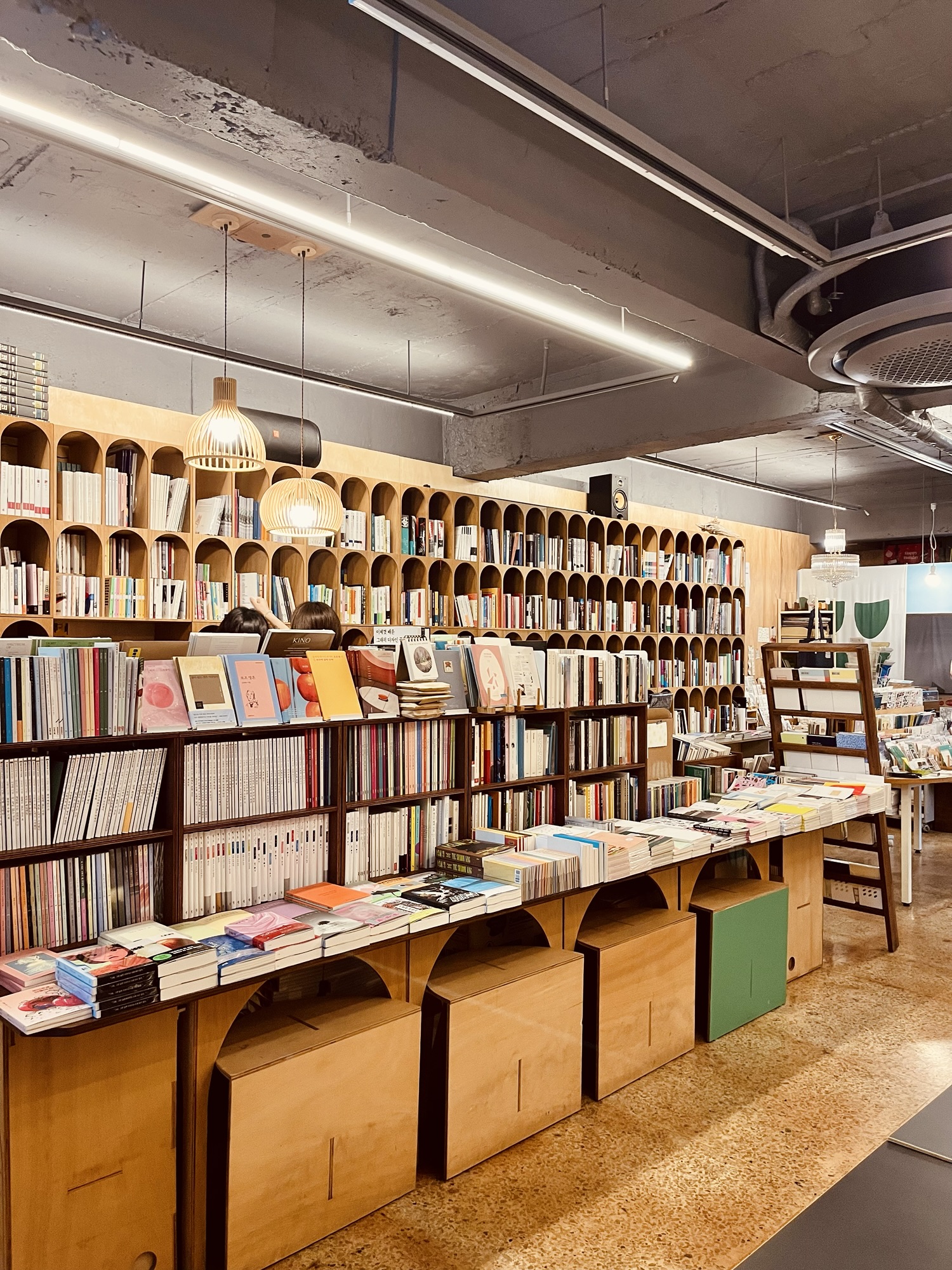
Gwangju brings us yet another super aesthetic independent bookshop – definitely come here regardless of whether you speak Korean or not, as they also have really cute bookmarks and other stationery-type items.
This bookshop is called “Books and Life” and is open every day from midday to 8pm. They also have an Instagram account. If you buy a book here, they will wrap it so beautifully in paper that you won’t want to take off the paper – and you can absolutely read it wrapped up, so feel free to keep the new dust jacket as a souvenir of your trip!
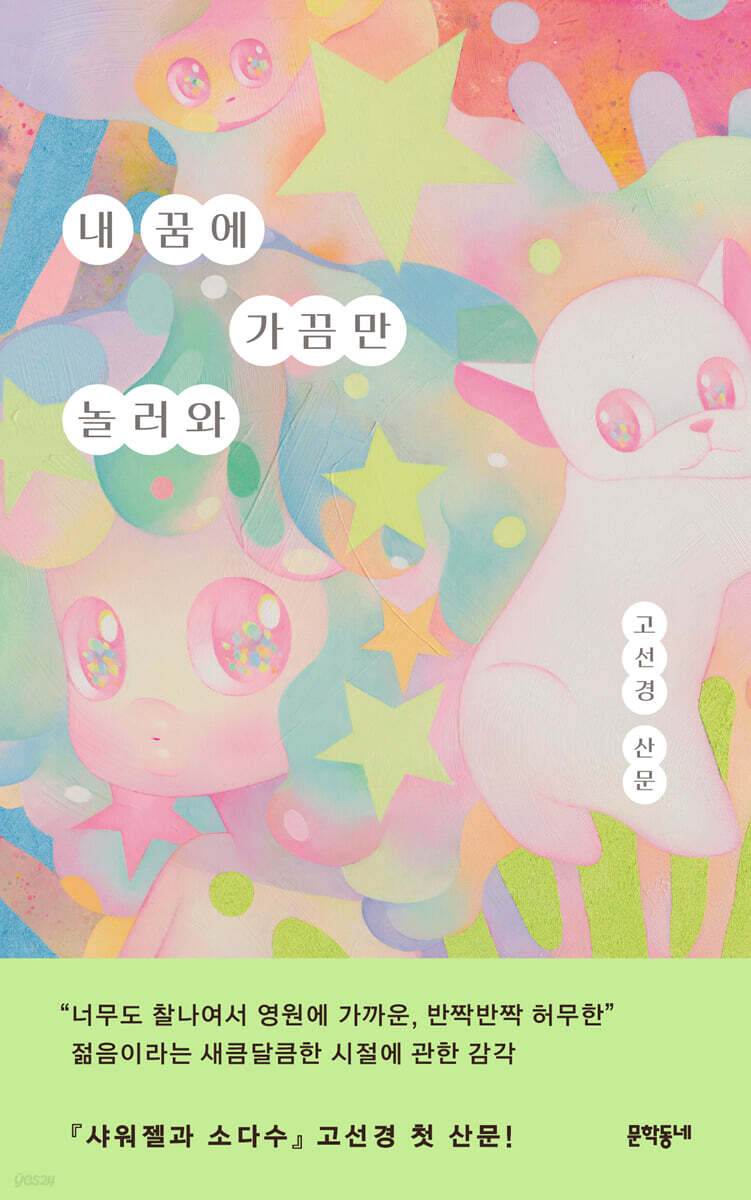
I bought one book here: an essay collection 내 꿈에 가끔만 놀러와 [Come to My Dreams Only Occasionally] by Ko Seonkyeong. It is apparently about the ‘sweet and sour’ feelings of youth. I’m yet to read it, and I will admit I picked it entirely based on the title.
Daegu and Haeinsa Temple
I needed to get to Daegu (also known as Hell for it’s hot summer temperatures) before it got too hot, so halfway through my trip I shuffled my itinerary around to bit to go straight from Gwangju to Daegu. My main purpose for going to Daegu, Korea’s third biggest city, was to visit the Haeinsa Temple about an hour’s bus away, and whilst I did enjoy that, it didn’t end up being the highlight of my trip.
Daegu is full of great markets, really interesting and niche history (such as murals showing the route scholars took to Seoul to take the state exams, or the traditional medicine museum) and the cute cafes and restaurants that I found. I also bought some nice teaware as well.
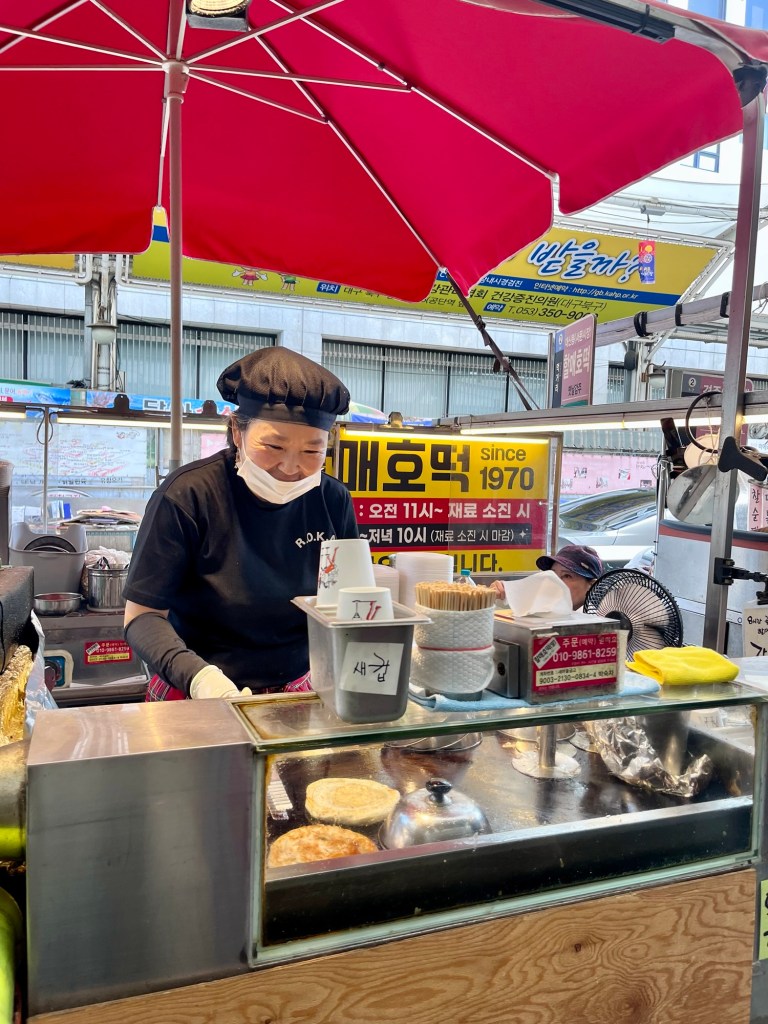
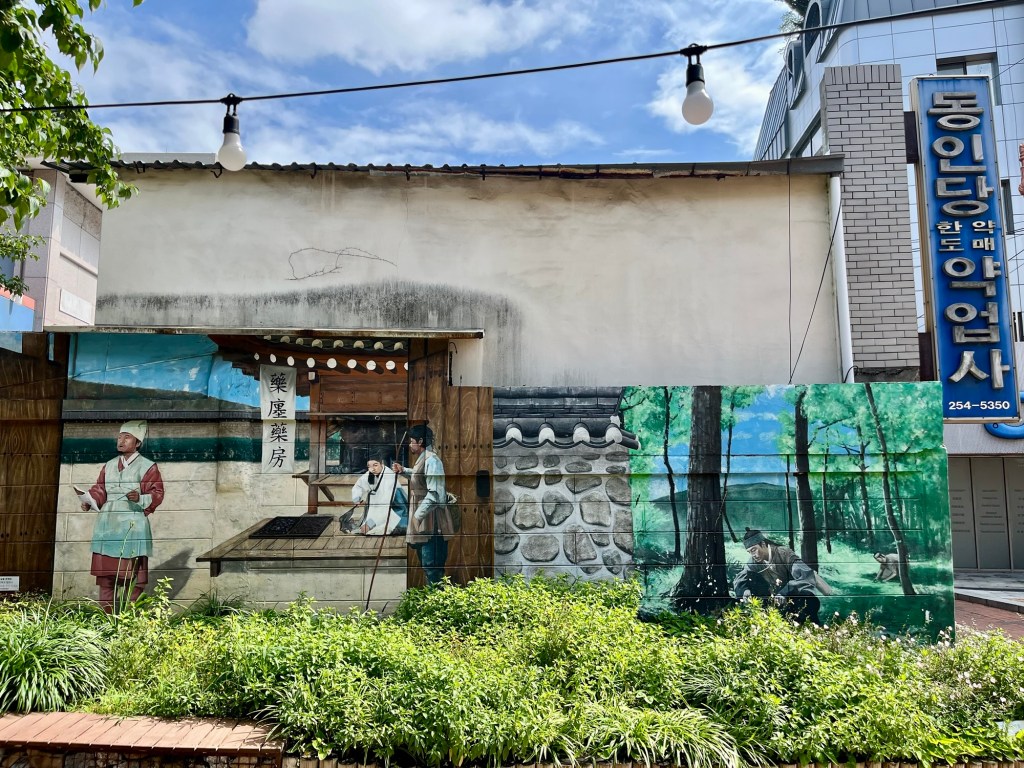
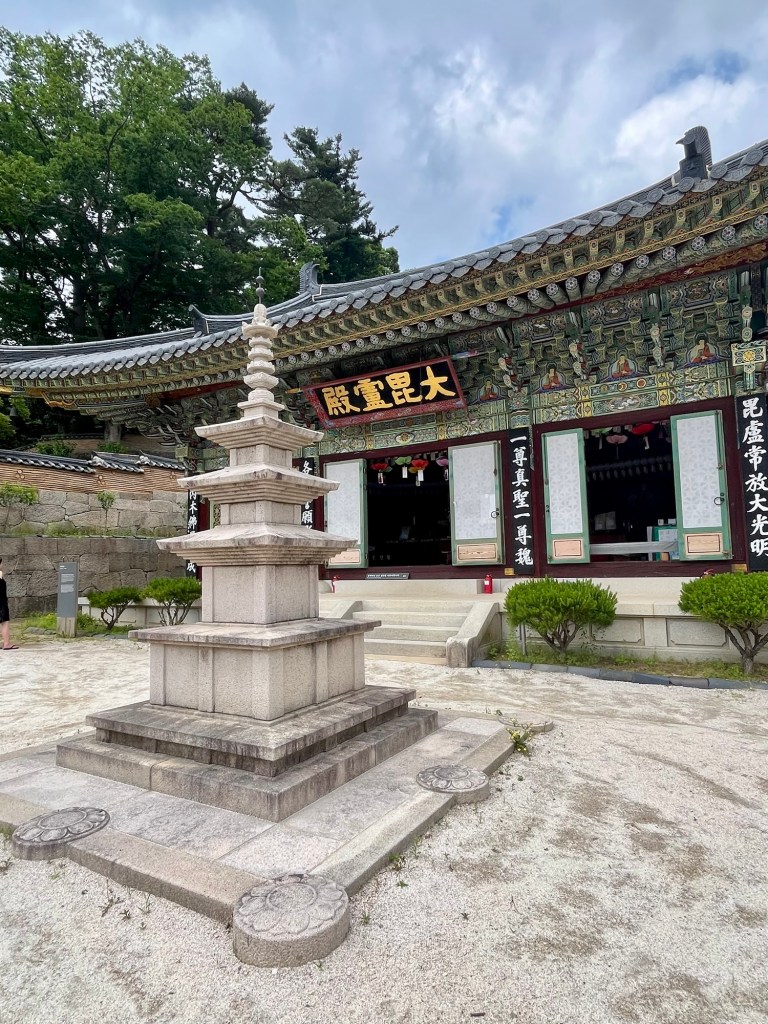
📍Seomun Market (food and clothes) | Address
📍Yeongnam Daero (Road to Hanyang) | Address*
📍Daegu Traditional Korean Medicine Museum | Address | Website
📍Yewon Teaware Shop | Address
📍Haeinsa Temple | Address
Restaurant and cafe recommendations:
📍Mansion 5 Cafe | Address
📍Witch Kimbap | Address
📍Mundane Dongsan Hanok Cafe | Address
*For some reason, there is no marker on the map for this, so this address is for a restaurant on the road. You can check out the map on this blog post to see the indicated road.
I went to quite a few bookshops in Daegu, although I only bought books in two. One I went to and definitely recommend for the vibes is Daebong Walk Bookshop.
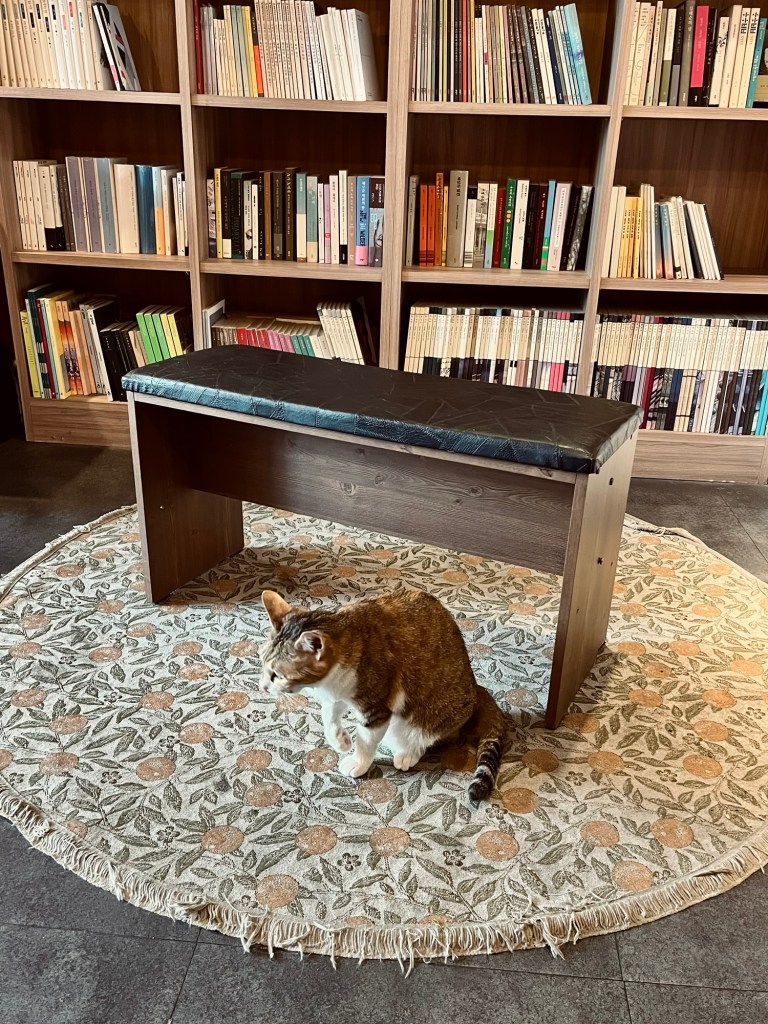
I also went to a lovely independent bookshop that doubles up as a cafe and has a resident cat. When I left, the cat was sat on a chair with a coffee cup in front of them. Top ten cutest things ever. Unfortunately, this bookshop has since closed. If you’re looking for an alternative bookshop cafe (without cats, sorry), you could try Read Write Book (일글책) – this was on my list, but I didn’t get a chance to go.
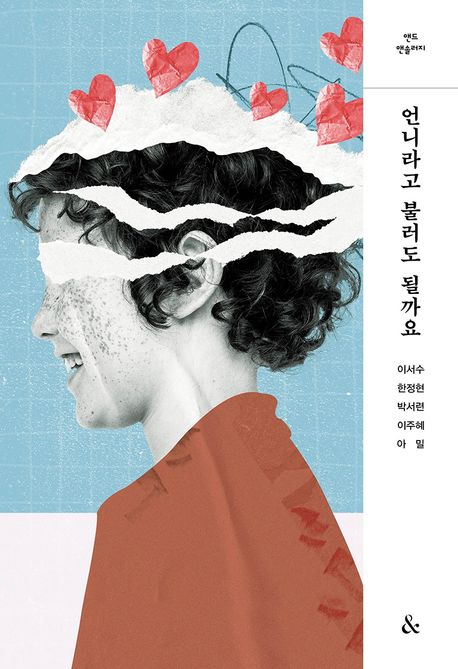
The book I bought here is a short story collection by a variety of authors titled 언니라고 불러도 될까요? [Can I call you unnie?]. “Unnie” is a Korean term for ‘older sister’, used by younger sisters and younger female friends. I haven’t read it yet, but the title made me think it would be about women’s relationships, so I thought I’d pick it up… for after I finally finish my current short story collection (should be soon)!
The final bookshop I went to in Daegu, where I bought the most books, was the Daegu branch of the secondhand bookshop Aladin, which is also your best bet for buying Korean books from abroad since they will ship internationally (note that you must buy from Aladin, not one of the other sellers that use their platform, if shipping internationally).
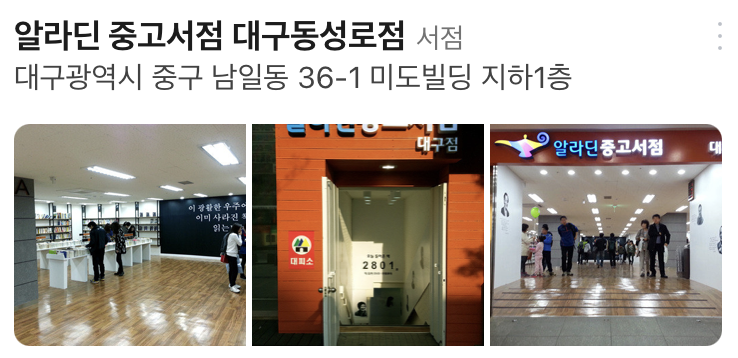
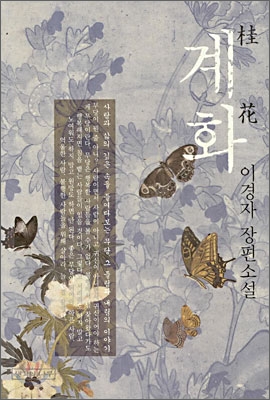
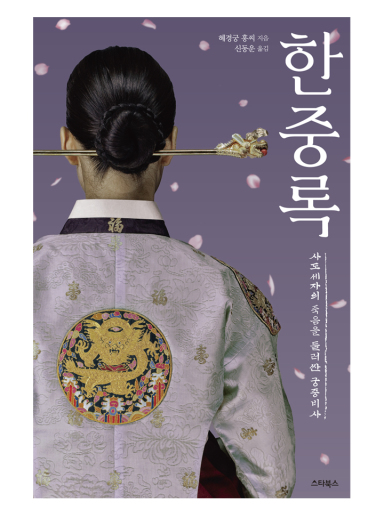
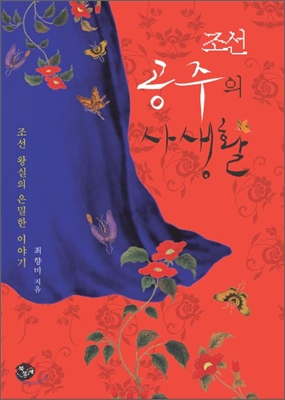
I ended up buying one novel about shamanesses in Korea (계화 [Kyehwa]) and two books relevant to my research – the modern Korean translation of Lady Hyegyŏng’s Memoirs (I had previously read them in English) and a book called 조선 공주의 사생활 [The Private Lives of Joseon Princesses].
Jeonju
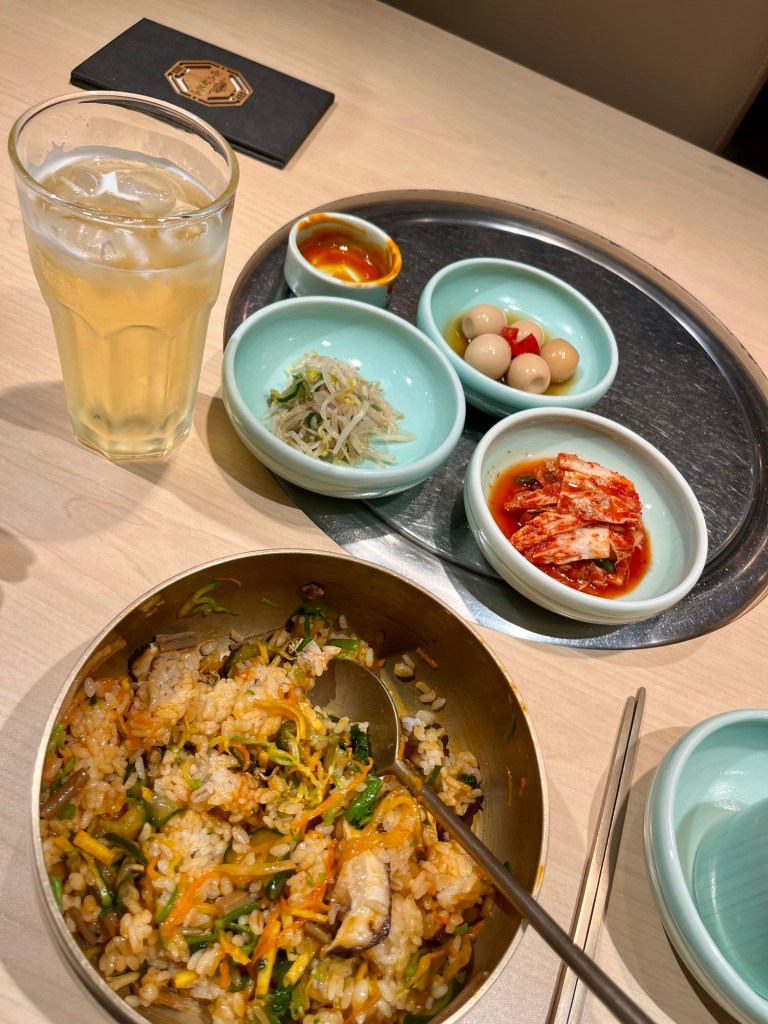
Jeonju is home to one of the largest Hanok villages (traditional old villages) in Korea. It’s also the home of bibimbap (rice with mixed vegetables, an egg and either meat or tofu, served in Jeonju with a TON of side dishes). So I basically spent the whole time walking around the old town, walking up to viewpoints, looking at historic sites and going in cute shops. I did also eat bibimbap and I also visited a mural village just outside the historic centre. I did also make a trip to the paper museum, where I made traditional Korean paper (Hanji)!
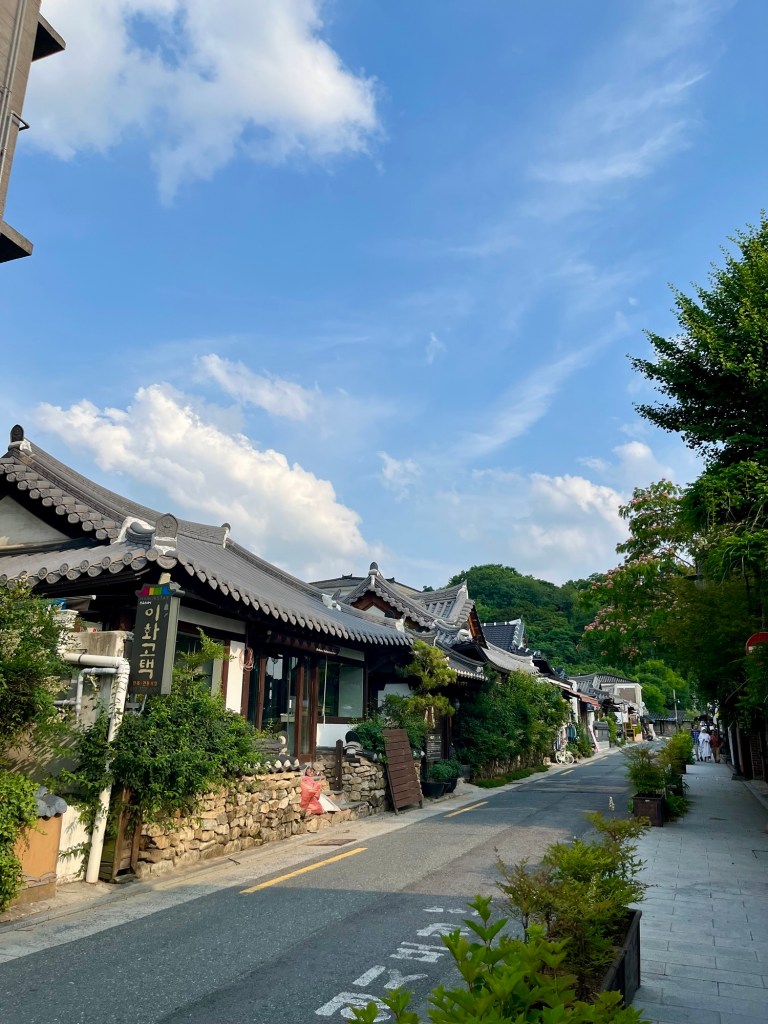
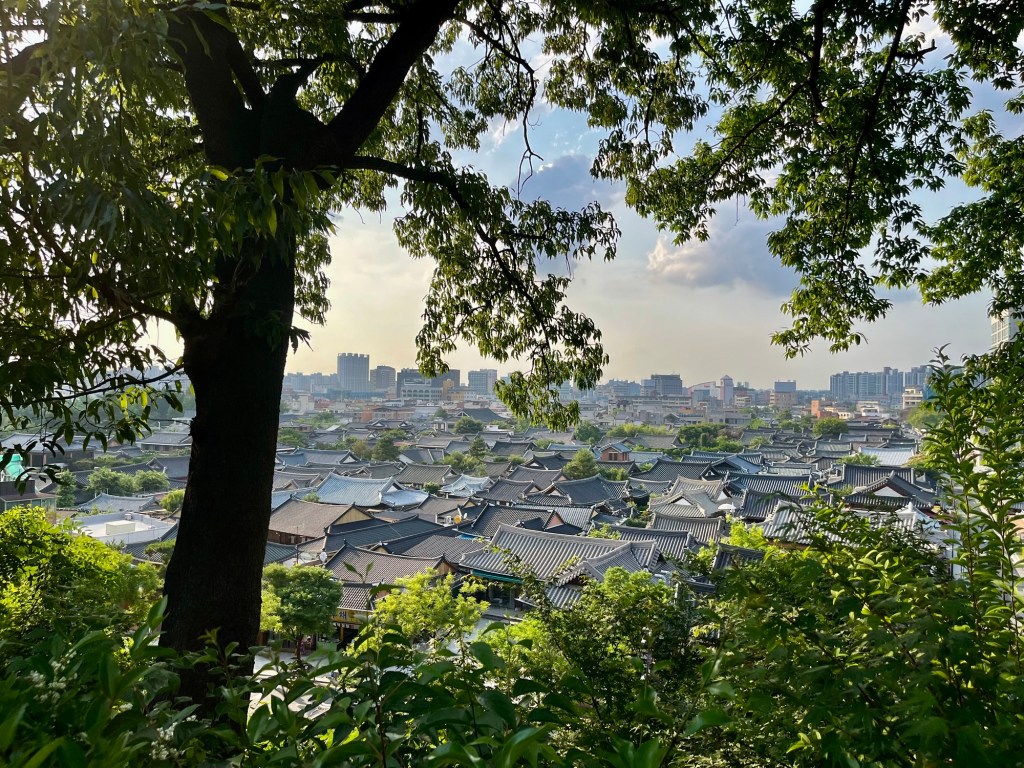
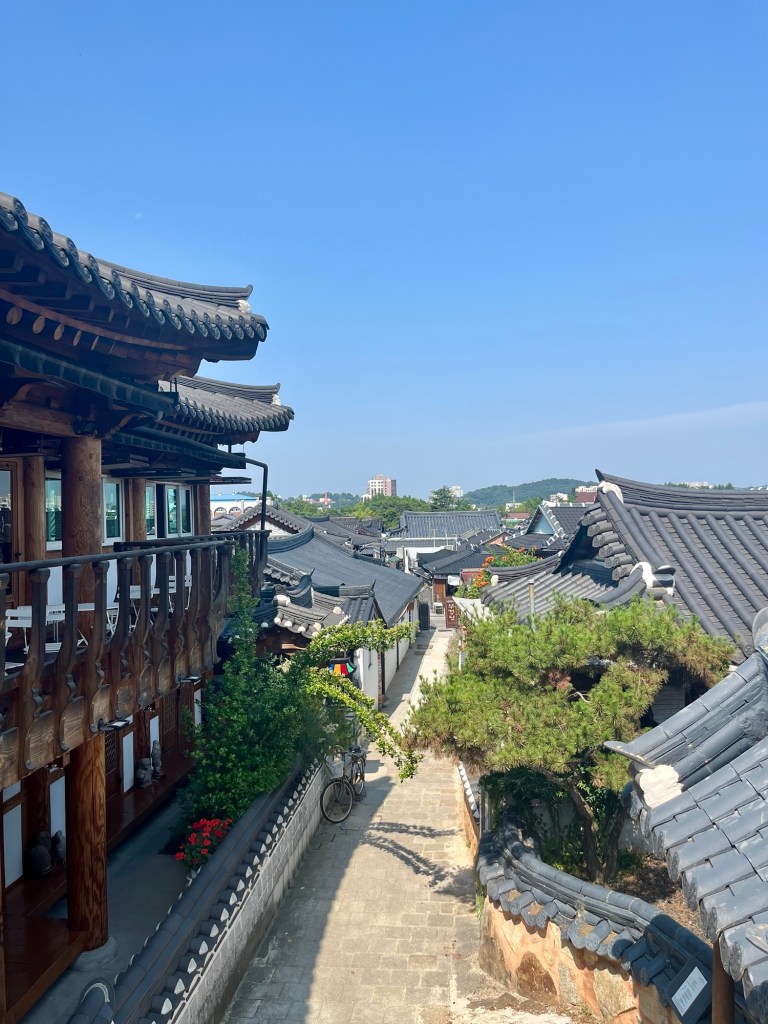
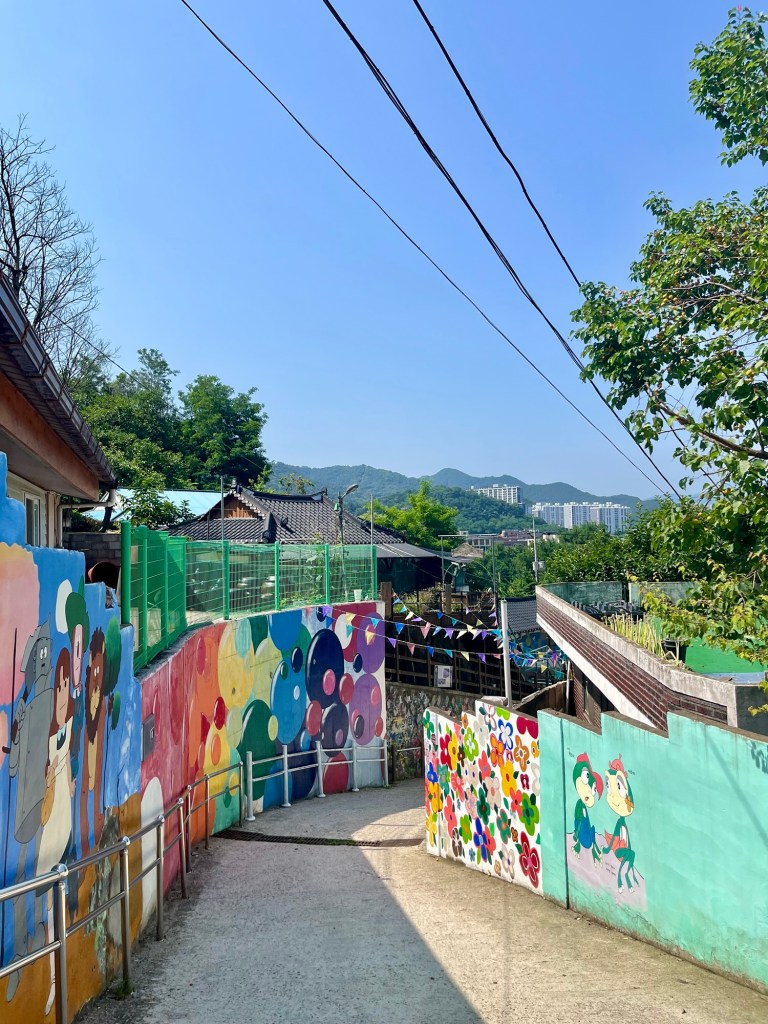
📍Jeonju Hanok Village | Address | Website
📍Gyeonggijeon Shrine | Address
📍Omukdae (great view over the village!) | Address
📍Chamirami Cafe | Address
📍Ha Sukyeong Iron Pot Bibimbap | Address (Vegetarian options!)
📍Jaman Mural Village | Address
📍Jeonju Hanji Museum | Address | Website
I didn’t end up with enough time to go to bookshops in Jeonju, although there were a few options that I had pinned, such as Bookshop Todaktodak.
Gangneung
Technically I went from Jeonju to Seoul, but my first day back in Seoul was a day trip to Gangneung on the East coast (yes, I woke up horrifically early to take the train there).
I went to see Ojukheon, the home of Sin Saimdang, who is one of the most famous female painters and mothers of premodern Korea and someone who I studied whilst preparing for my undergraduate dissertation. I then went to the Gangneung Coffee Street by the seaside, where I went to a cafe before taking an impromptu motorboat ride.
After that, I had lunch and went to the ARTE museum, which is full of modern, projection-style, immersive artworks. I also went to the nearby monument to Heo Nanseolheon, one of the most famous female poets of the Joseon period (1392-1897), and also someone I researched for my dissertation.
I finished the day in a cafe with floor-to-ceiling bookshelves and a little bit of wandering around the city centre before taking the train back to Seoul around dinner time.
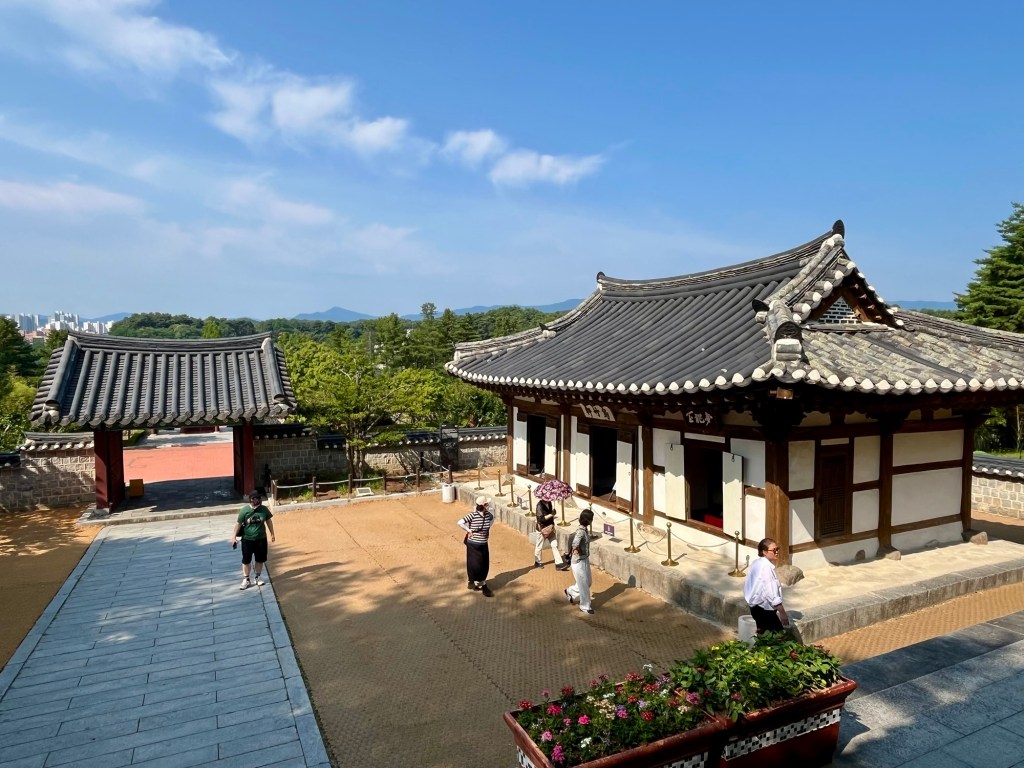
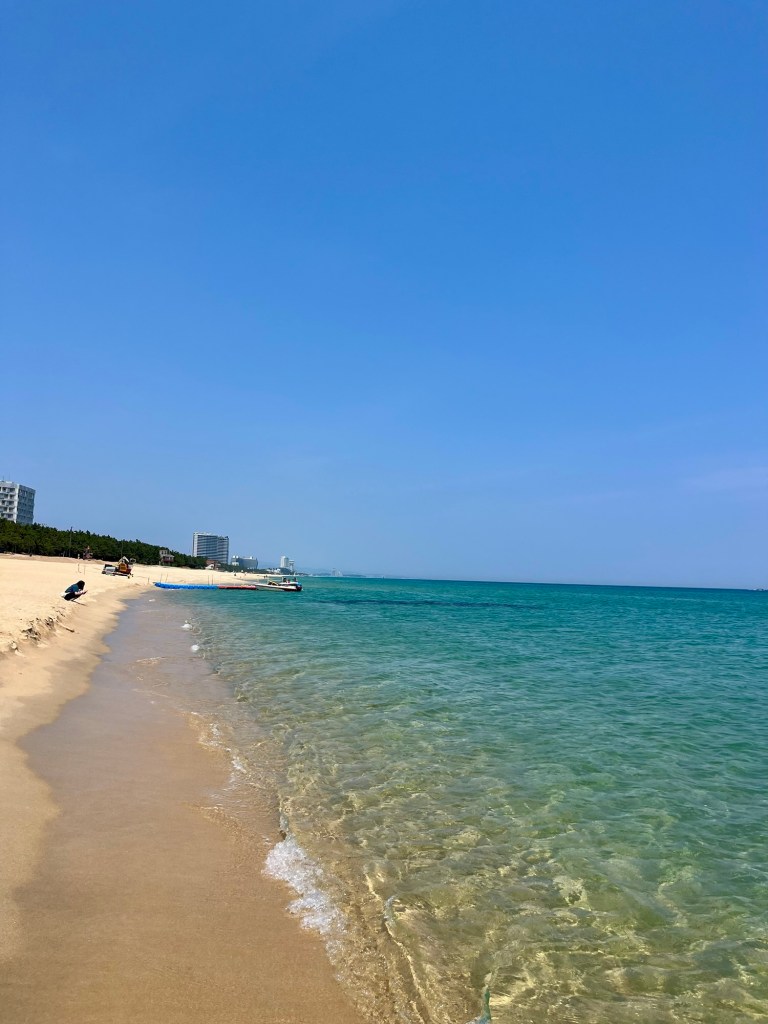
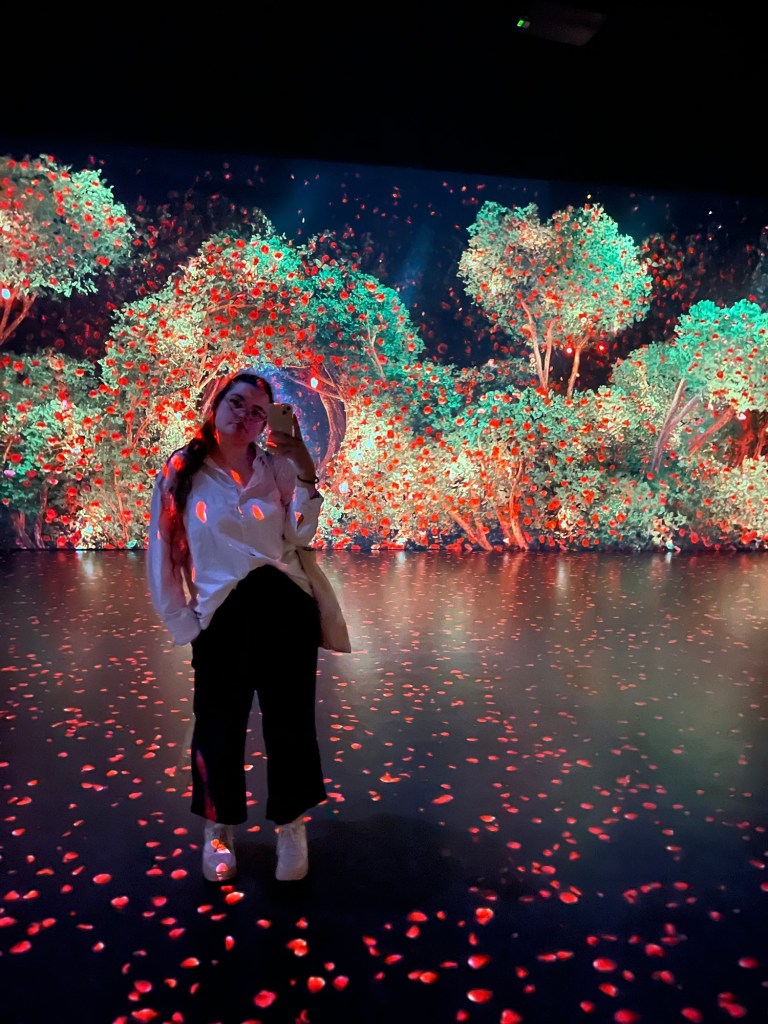
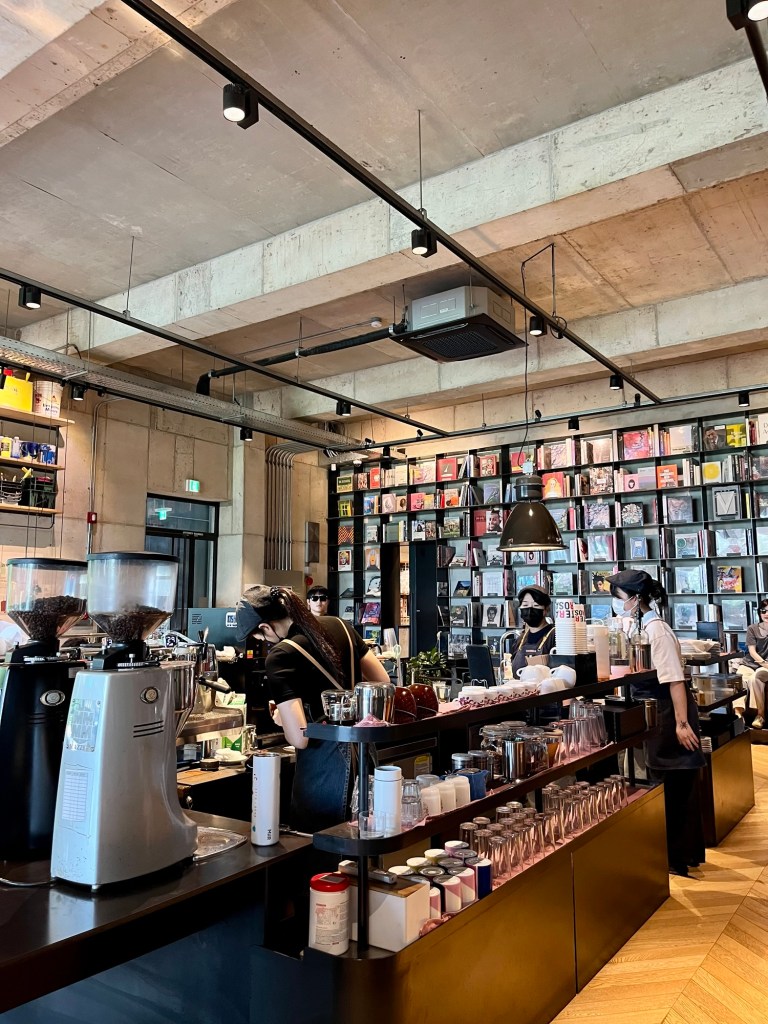
📍Ojukheon House | Address | Website
📍Gangneung Coffee Street | Address | Website
📍ARTE Museum | Address | Website
📍Heo Kyun and Heo Nanseolheon Memorial | Address
📍Terarosa Cafe, Gyeongpo Lake | Address
Top tip: Doing Gangneung by public transport is definitely doable, but there are slightly longer intervals between buses so do take note. This is most important because everywhere is really exposed to the elements in Gangneung – whether that be rain or shine. Take a good UV-proof umbrella if visiting in the summer to help shade you from some of the heat. (One exception to this is near the seaside, where there are some areas of tree cover if you want to enjoy the beach without the heat.)
Although I did eat in a cafe surrounded by books, I didn’t do any actual book shopping on my day here. Worry not, though, because the rest of my week spent in Seoul turned into a book shopping extravaganza.
Seoul Part 2 – Books, Food and Friends
I ended my stay in Korea with a week in Seoul – I timed this perfectly to align with both the beginning of the wet season (which started towards the end of this week) and also the end of my battery for tourist-ing. Which was perfect, since I had done most of the touristy stuff I wanted to do in Seoul when I first arrived and I spent this week doing all the things I enjoyed doing when living in Seoul – going out for dinner with friends, sleeping, reading in cafes, and going shopping. I went to some teaware shops that I hadn’t been to before, since I wasn’t yet as into tea as I am now, but mostly I did *a lot* of book shopping.
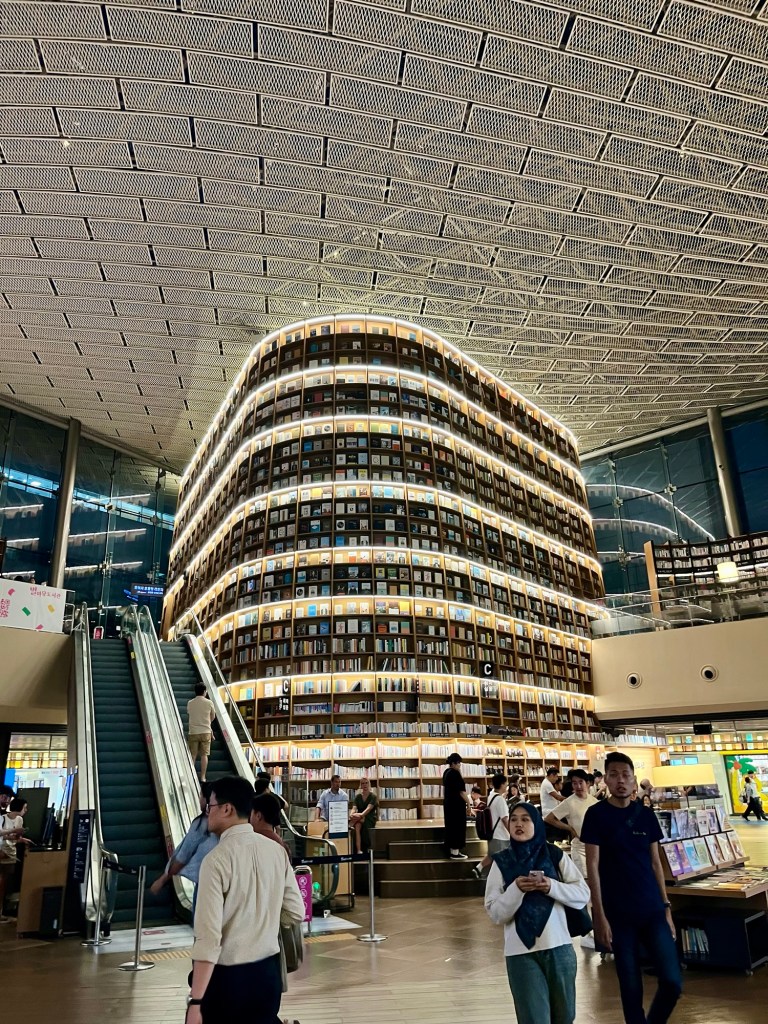
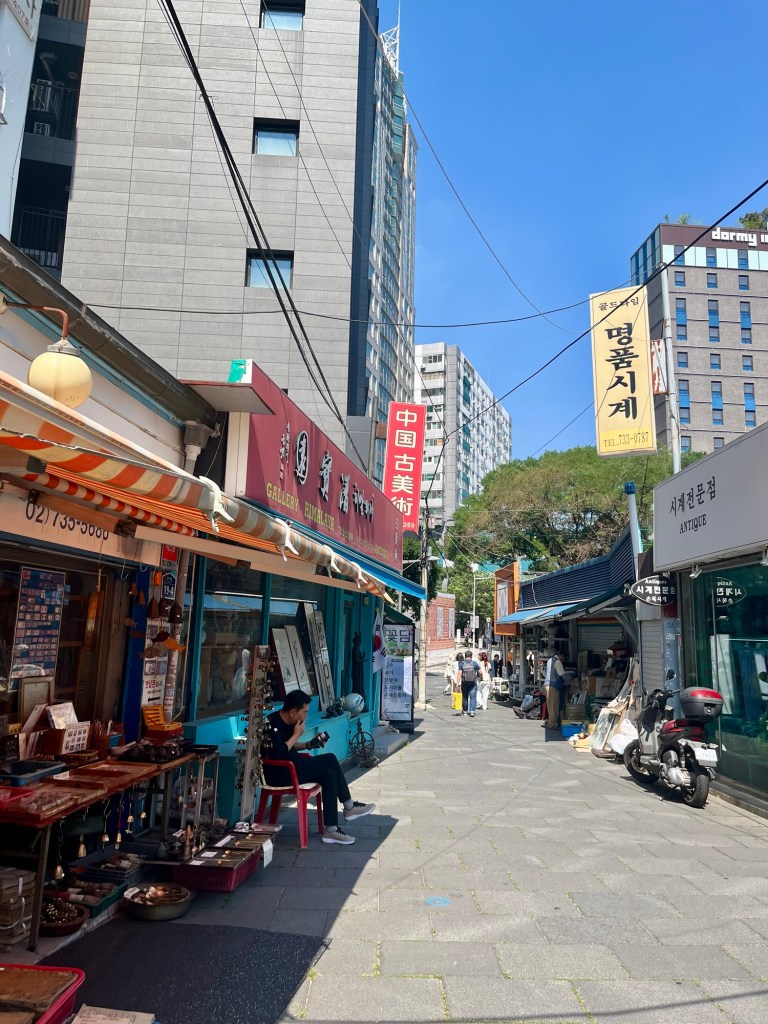
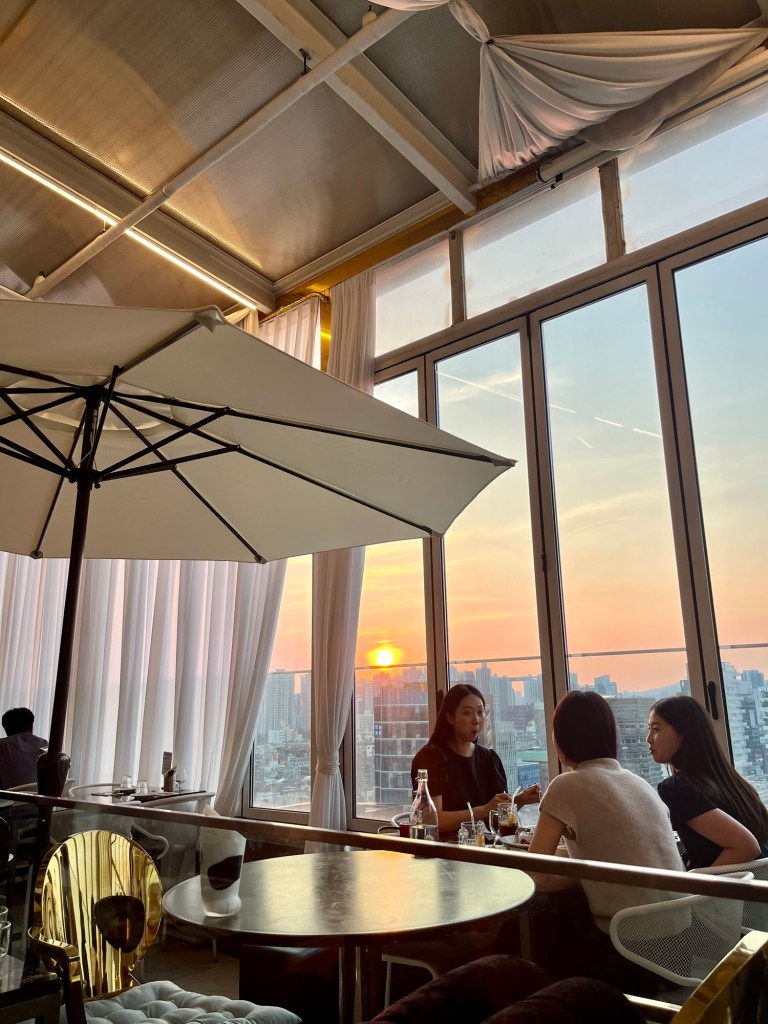
There were quite a few independent bookshops and book-related spaces on my list for Seoul, such as Choi In-a’s Bookshop, Jeokon Music and Book Bar, and Book Nook Sulla, but they were mostly slightly further away and I was tired (plus it got wet), so I didn’t get to see many on this trip – definitely on my itinerary for my next trip to Korea. I did go to one independent shop that stocks books in Chinese (you can see what I got there and whilst living in Taiwan in this post). I was going to recommend one of my favourite independent bookshops from when I was living in Korea, but it’s closed (sad).
Mostly, though, I went to various Seoul branches of Aladin for secondhand books and the Gwanghwamun and Gangnam branches of Kyobo (like Barnes & Noble/Waterstones) – these are the biggest bookshops in the country. Usually I would recommend the Gwanghwamun branch both in terms of location and selection, but the Gangnam branch is better if you happen to be looking for books on language learning/language textbooks (I think the English-language books section is biggest at Gwanghwamun, but both branches have a pretty decent selection).
Because I got so many books in Seoul, I decided to organise these by type rather than where I got them.
Graphic Novels and Manhwa
I bought four books of a webtoon (so far, only these four exist as physical books) called 세이렌: 악당과 계약 가족이 되었다 [Siren: Becoming the Villain’s Family], which is a sort of fantasy story where our main character goes back to an earlier point in life and gets a chance to redo her life.
I also bought a two-part graphic novel called 쉼터에 살았다 [I Lived in a Shelter], about children who leave their homes to live in a shelter for a variety of reasons. Finally, I got a Korean translation of the Buddy Gator comics, which you can read my review for here.
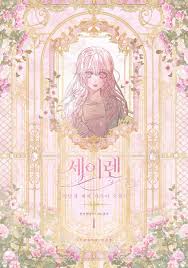
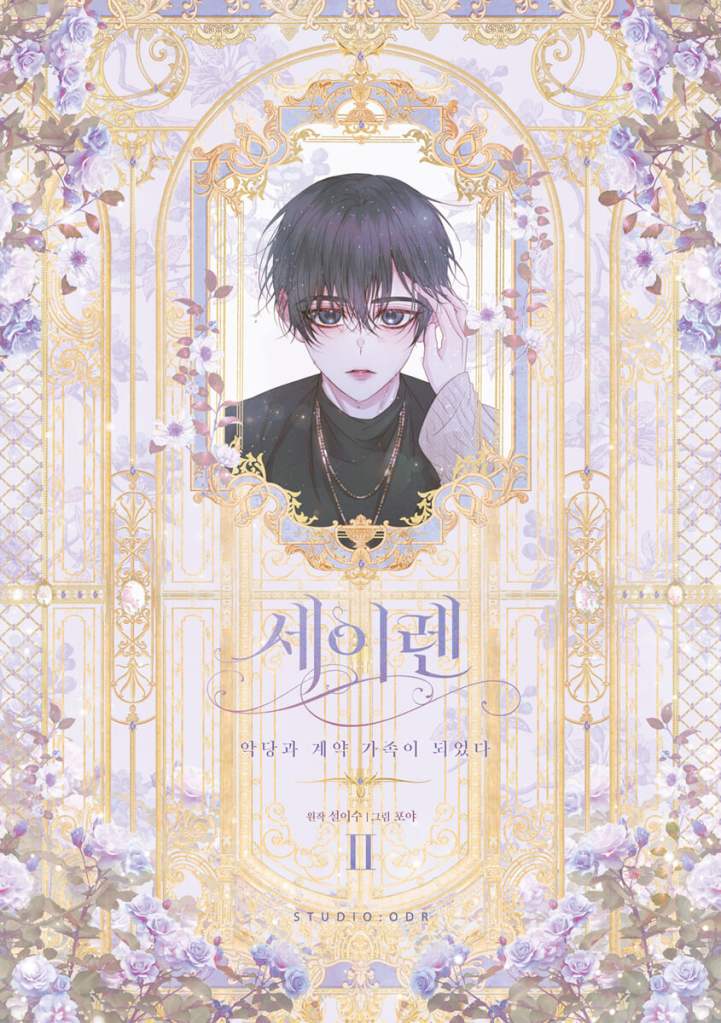
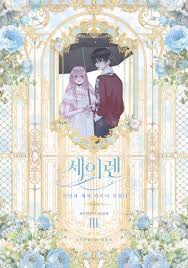

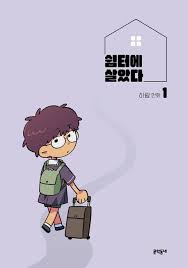
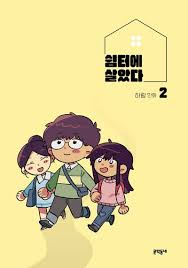
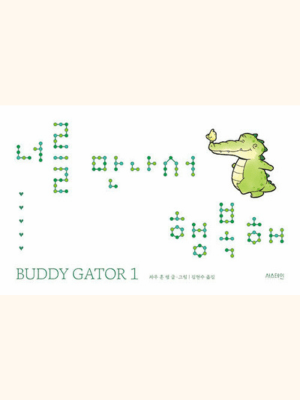
So of these seven books, I’ve actually read five – that’s pretty good, and about as good as it gets here. (In my defence, I have not had access to these books for most of the past year, since I sent them all back to the UK via very slow mail and they have been sat in boxes in my mum’s house the other side of the country since).
Essays
I’m not a huge essay reader in English (although I am trying to read more), but I often find myself drawn to essay collections in Korean.
The first one I picked up is 고전에게 물어봐! (Ask the Classics!), which is a sort of self-help book aged at teenagers. I picked it up because it uses ‘classic’ texts to help answer modern problems, so I thought it could be an accessible way to understand the ‘Korean canon’.
I also bought two travel essay books – 엄마와 딸 여행이 필요할때 [When In Need of a Mother-Daughter Holiday] and 그럼에 나는, 아주 예쁘게 웃었다 [Even So, I Smiled Prettily].
Finally, I bought a collection of essays by a night taxi driver about the people he sees at night (밤의 사람들 Night People), an essay/memoir by an astronomer (천문학자는 별을 보지 않느다 Astronomers Don’t Look At the Stars) and also Han Kang’s memoir/essay collection 빛과 실 [Light and Thread], which also has an English translation.
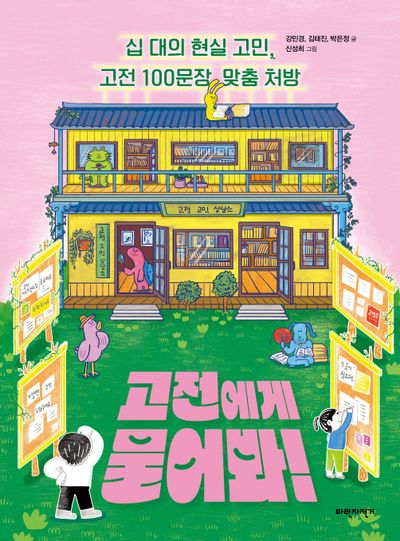
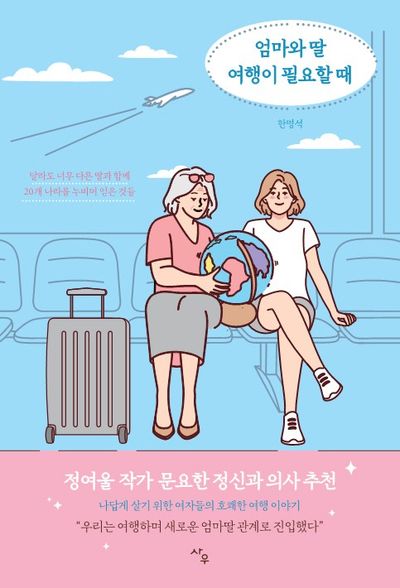
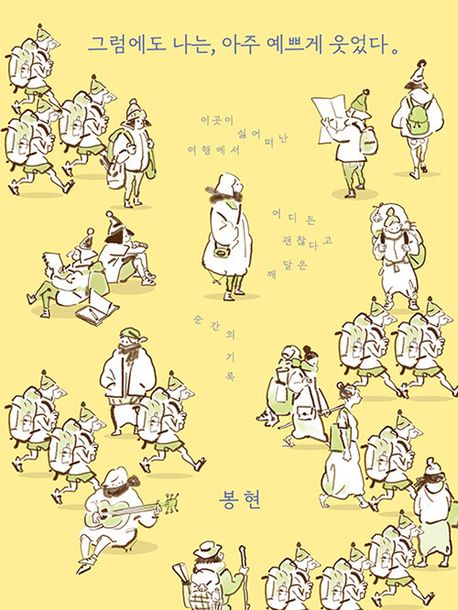
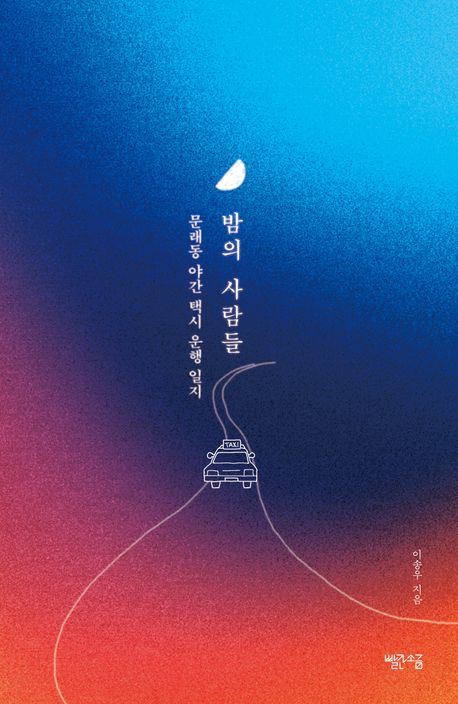
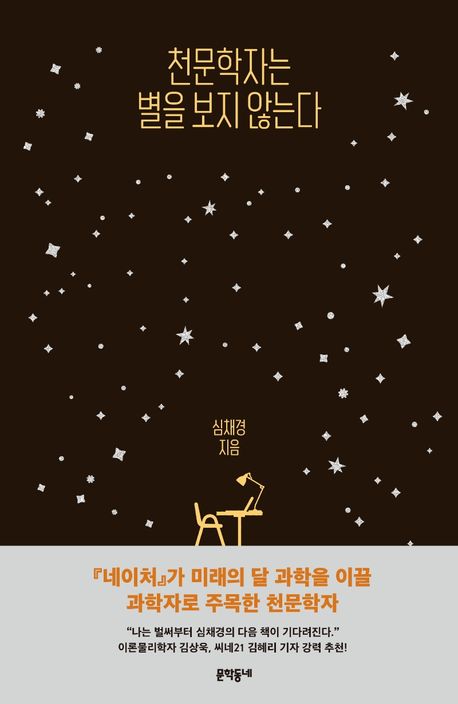
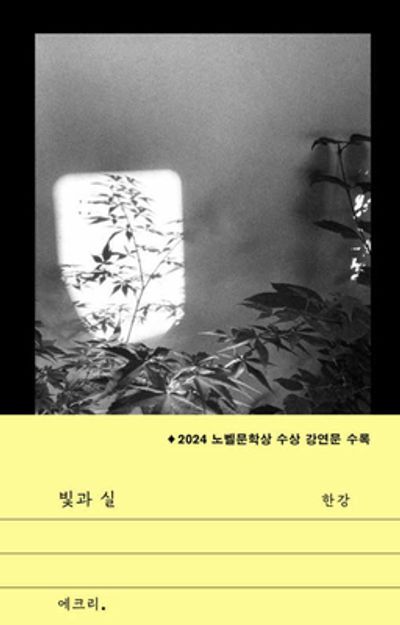
I have’t read any of these yet.
Novels
I bought two ‘healing fiction’-style novels, both of which are some of the best of the genre that I’ve read
- 연남동 빙굴비굴 빨래방 has been translated into English as Yeonnamdong’s Smiley Laundromat.
- 불편한 편의점 2 is the sequel to the book translated in English as The Second Chance Convenience Store.
I also bought (secondhand, special order so that I could get this gorgeous box set) the print editions of a webnovel called 검을 든 꽃 [A Flower Holding a Sword] by Eun Soro. It’s split across four books in this edition, and I actually just finished volume 1 a couple weeks ago – I will be continuing ASAP (i.e. at the beginning of June when I’m going to visit my mum and can grab my copy of the next book). It’s a super fun fantasy romance that I’m kind of hoping gets translated into English so I can make everyone read it. If you read web novels or webtoons, I think some of it has been translated online.
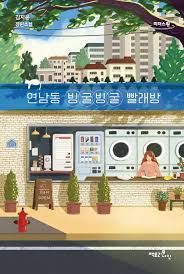
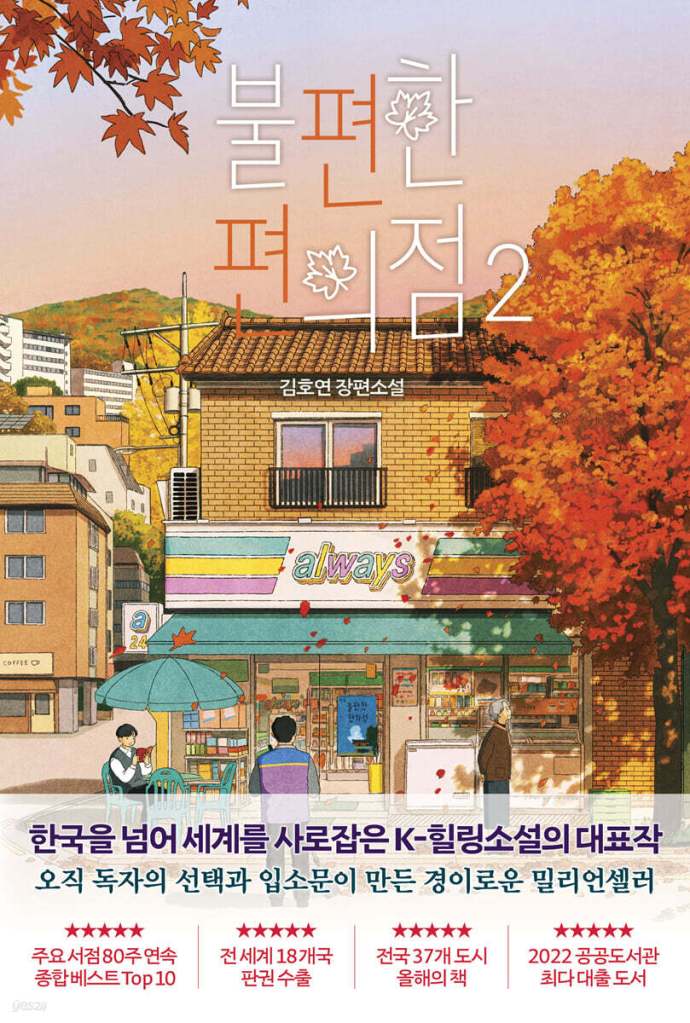
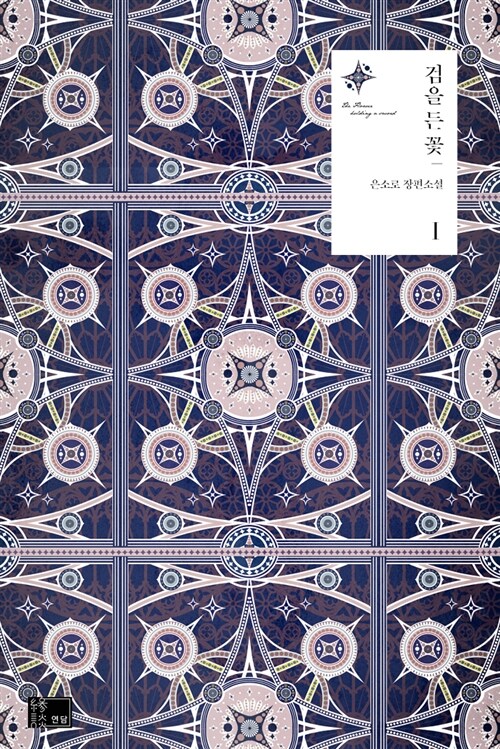
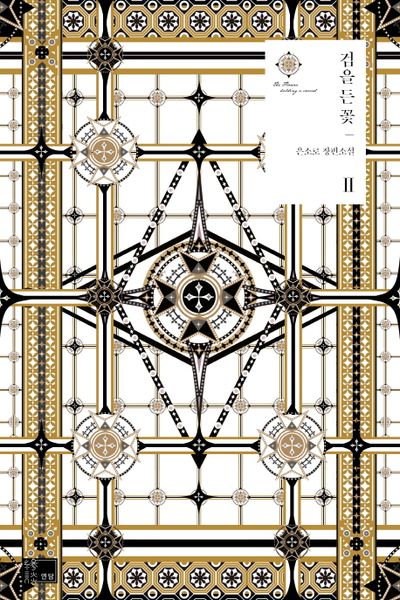
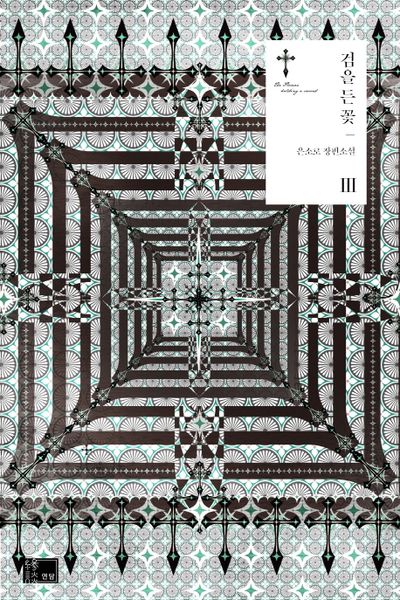
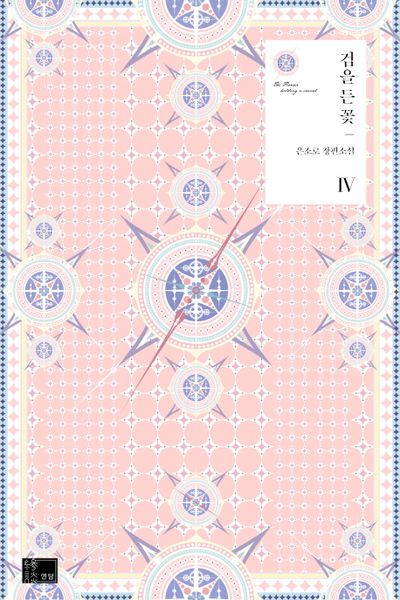
So I’ve actually read three of these, and since the other three are sequels to one of the one’s I’ve read, I’m counting that as pretty successful so far. (To be fair, I had already read one of them before buying a copy but shhh.)
Books About Tea
Yes, this deserves a section of its own.
I bought three books about tea: two of them are sort of memoir/essays + tea recipe-type books, and then the third is an academic book about tea culture in the Goryeo period (918-1392).
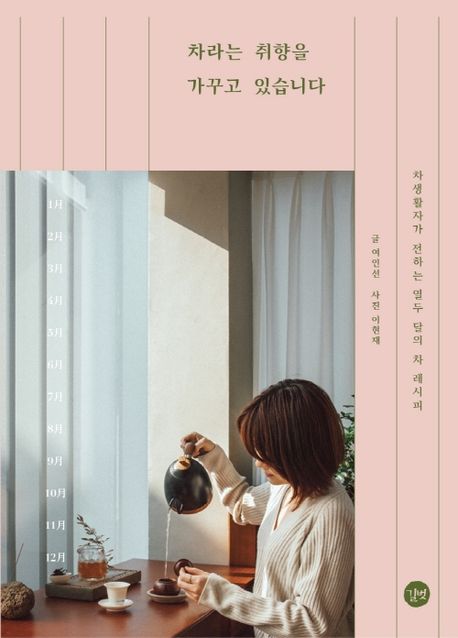
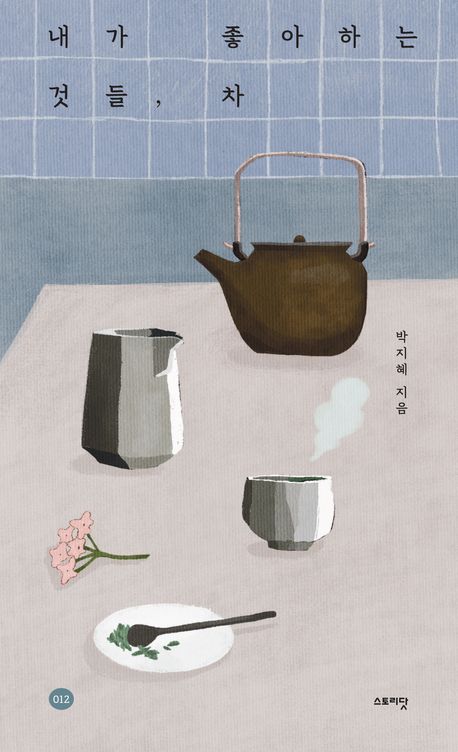
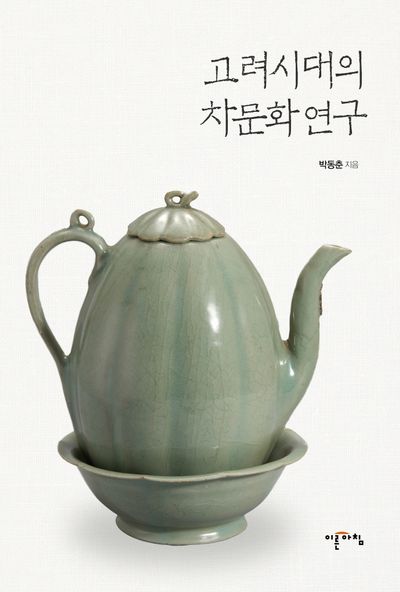
- 차라는 취향을 가꾸고 있습니다 [I am Developing a Taste for Tea]
- 내가 좋아하는 것들, 차 [Things I Like, Tea]
- 고려시대의 차문화 연구 [Research on Goryeo Tea Culture]
Korean History
I also got some books from/about Korean history – some for my dissertation, others not.
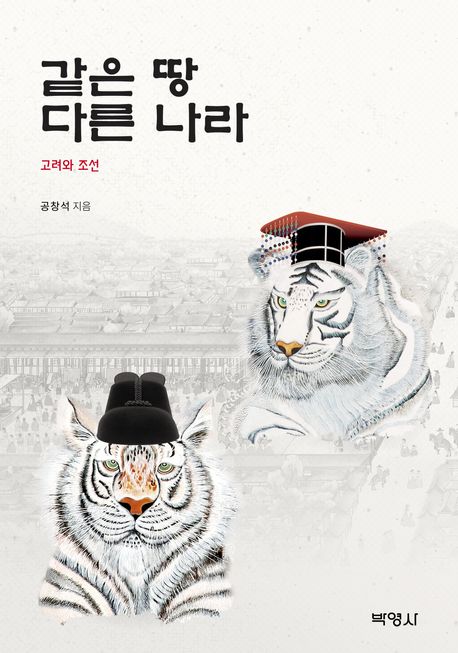
- 같은 땅 다른 나라 [Same Land, Different Countries] is a comparison of the culture/societies of Goryeo (918-1392) and Joseon (1392-1897).
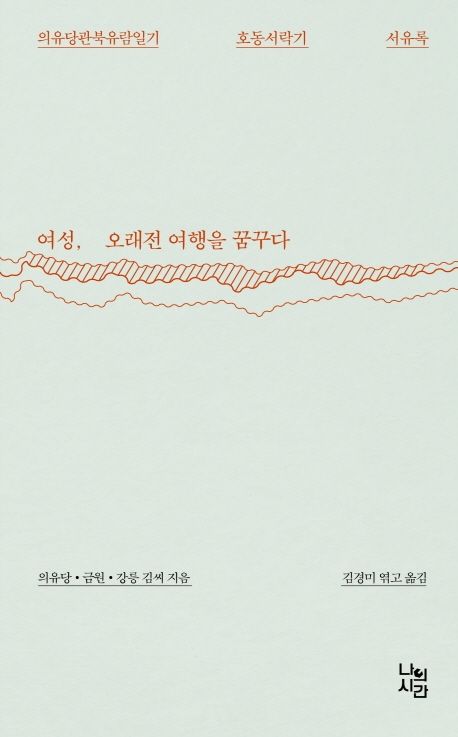
- 여성, 오래전 여행을 꿈꾸다 [Women Have Been Dreaming of Travel for A Long Time] is a collection of three travelogues by women from the 1700s, 1800s and early 1900s.
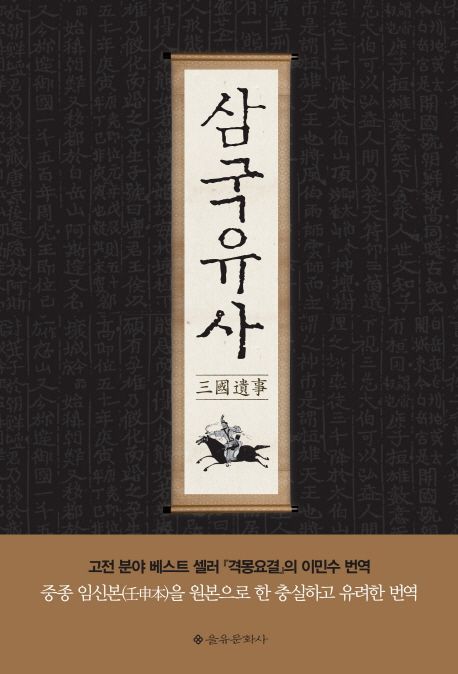
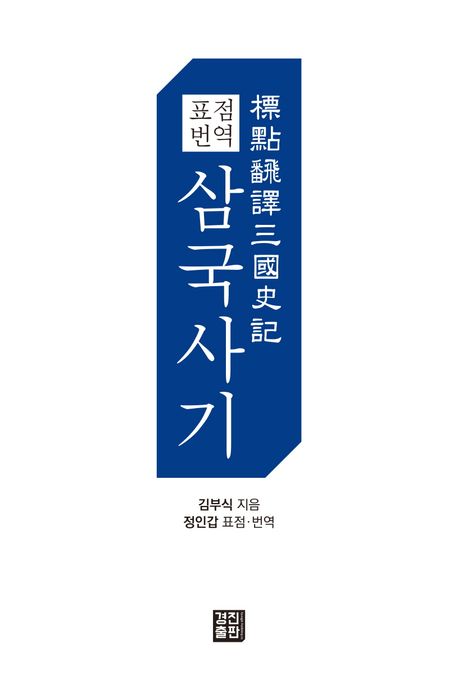
- 삼국유사 [Samguk Yusa] and 삼국사기 [Samguk Sagi] are two of the oldest Korean histories, and these include the original and a modern Korean translation.
They cover the Korean Three Kingdoms Period (57 BCE-668 CE) – Samguk = Three Kingdoms. The Samguk Sagi is slightly more historical, whilst the Samguk Yusa also includes a lot of legends and folktales. The Samguk Sagi is also more Confucian, whilst the Samguk Yusa is more Buddhist (written by a Buddhist monk).
*There are English translations, albeit very expensive since they’re academic.
Other poetry + language learning (miscellaneous)
The final section is slightly miscellaneous.
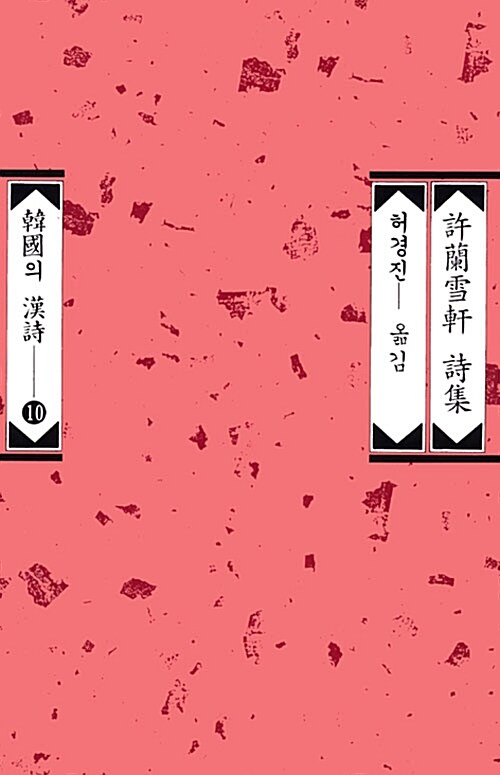
I bought two collections of poetry – one is the extant poetry of Heo Nanseolheon, whose memorial I went to visit in Gangneung. I’ve read her poetry before in the book Visions of a Phoenix (which is an academic commentary of her works), but I wanted a copy of the original as well for my master’s dissertation research.
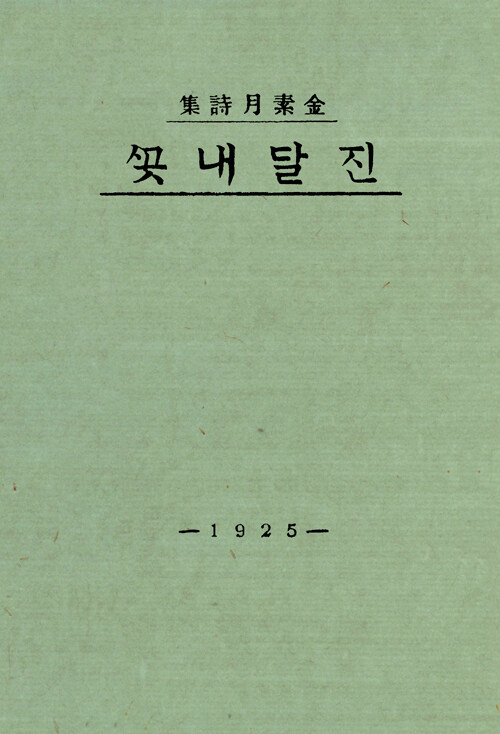
I also bought a copy of 진달래꽃 [Azaleas] by Kim Sowol, which is perhaps the most famous poetry collection of modern Korea (first published 1925). I’ve read the titular poem before in Korean class, but I wanted to give the full collection a go. This collection is so famous, it’s been translated into English.
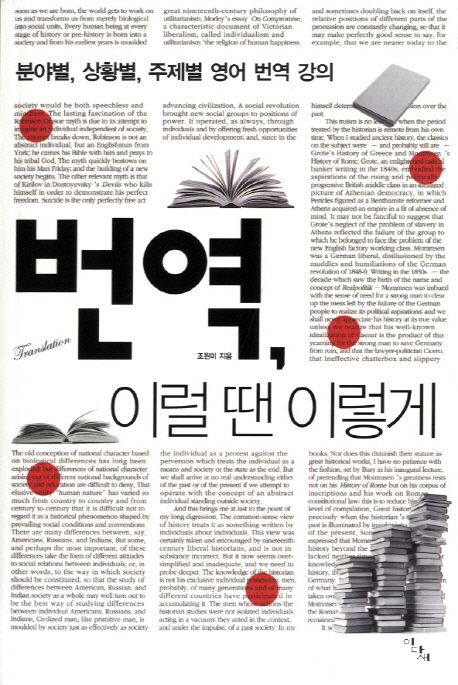
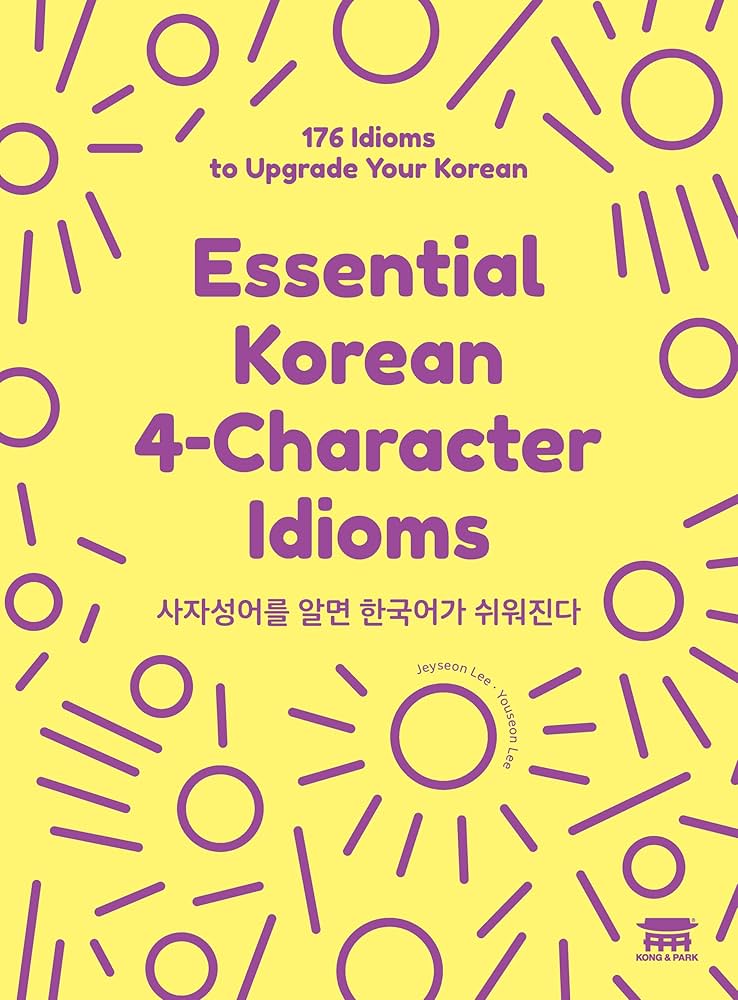
I also got a book called 번역, 이럴 땐 이렇게 [Translation, What to Do When…] which is about translation strategies between Korean and English – it’s aimed at Korean speakers, of course, but I think it could be a useful resource for improving my translation skills into English and my Korean language skills in general too. (If you didn’t know, I work as a Korean-English translator). I also got a book on Korean 4-character idioms, because I find them fun and also never remember them.
I’m yet to properly read any of these.
Finally, I’ve also ordered a couple of books from Korea/had my friend ship me some since I’ve been back in the UK (thank you Aladin, and Maia):
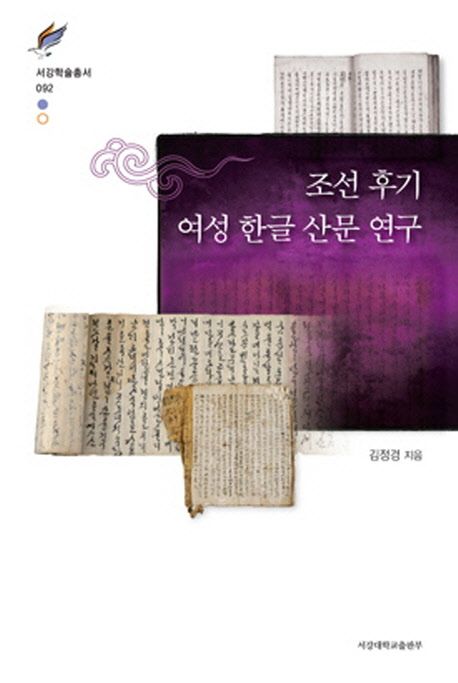
These are all books for my master’s dissertation. Two are academic books about women writer’s of late Joseon.
- 조선 후기 여성 한글 산문 연구 [Research on Non-Fiction Prose Writings in Hangeul by Korean Women of Late Joseon]
- 조선조 후기 여성 지성사 [Women’s Intellectual History of Late Joseon]
The other two are actually primary sources collecting all the extant works by two such women – 윤지당 (Im Yunjidang) and 정일당 (Kang Jeongildang). I’ve read quite a bit of their work translated into English for my bachelor’s, but again, I wanted to reference the original for my master’s dissertation.
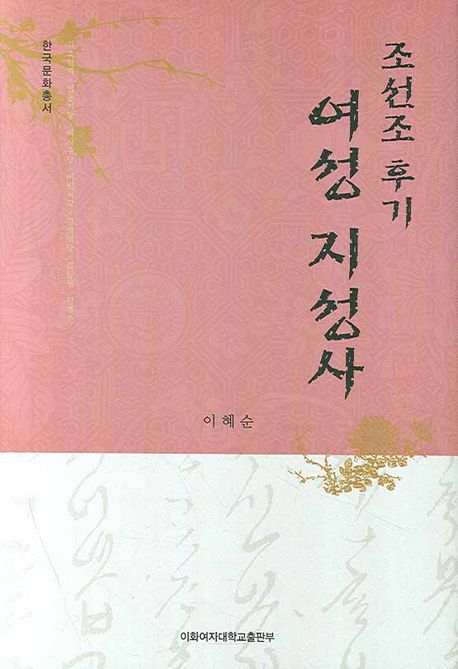
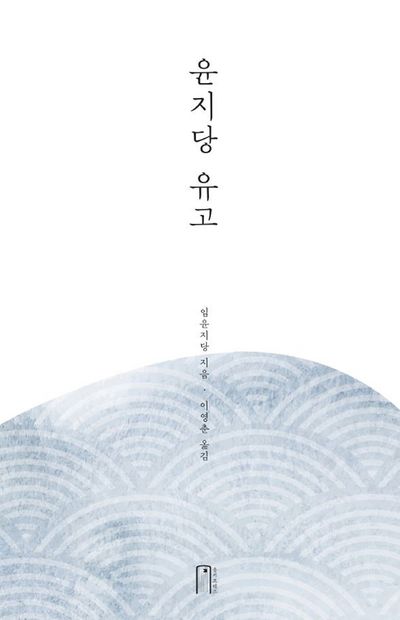
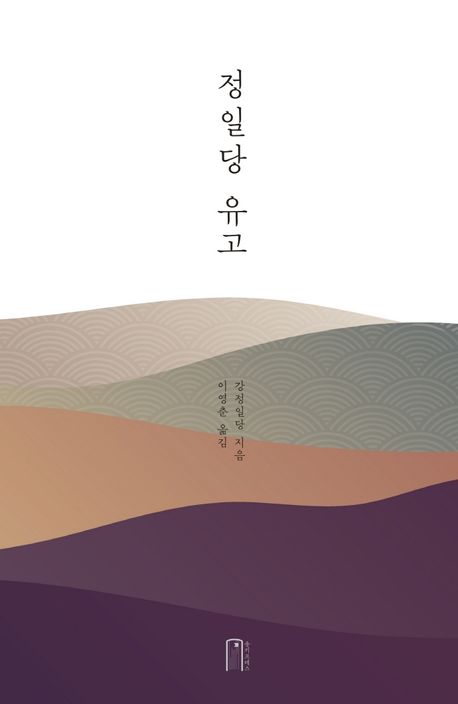
I’ve read bits and pieces of each of these, but I’m yet to read any of them in their entirety.
All Bookshops Mentioned
Here is a list of all the bookshops mentioned with a link to Naver Maps incase you want to add them to your own Korea trip itinerary.
Independent Bookshops
📍Alleyway Bookshop Walking Around, Suncheon
📍Books and Life, Gwangju
📍Daebong Walk Bookshop, Daegu
📍Read Write Book, Daegu
📍Bookshop Todaktodak, Jeonju
📍China Book, Seoul
Chains – just look up the closest one to you when you’re in Korea!
- Aladin (secondhand bookshops)
- Kyobo (like the Barnes and Noble/Waterstones of Korea)
And that’s it! I hope you got something out of this, whether that be book/bookshop suggestions or ideas for an upcoming Korea trip – or maybe you weren’t planning on visiting but I’ve put it on your list? If so, I will consider this post a success.
Korea is one of my favourite countries in the world to visit, and I was so happy this time to be able to visit some of the places I promised myself I would visit whilst I was living there but didn’t. There are very few countries that I feel the need to go back to multiple times, since I love exploring new places, but I can see many more Korea trips in my future.
Feel free to ask me any questions about Korea, Korean or books in the comments below!
Keira x
![[Review] Two Women Living Together by Kim Hana and Hwang Sunwoo](https://keirasbookmark.com/wp-content/uploads/2026/03/featured-image-size-39.png?w=600&h=450&crop=1)


 Keira's Bookmark