
I’m finally doing it! I’ve been wanting to join in with Let’s Talk Bookish for ages, and I only managed to do it once back in August last year. One of my goals for this quarter (see my Q2 personal curriculum post) was to participate in more discussion-based memes and make the time to write these posts in advance each week. I’m not exactly writing this post in advance (it’s currently already Friday), but that’s okay since I just made this goal yesterday and I have already started writing some other blog posts in advance. Anyways, please celebrate the fact that this will be coming up before 2pm on the day of!
This week’s prompt is: Novels in verse
Have you read any novels in verse? Do you think novels in verse can be more emotionally powerful compared to regular prose, or do you think novels in verse are more difficult to connect with? What kind of stories do you think work best in verse (i.e. coming-of-age, grief, romance, historical fiction, etc.)? What are your favourite novels in verse?
The timing of this topic was really coincidental – I rarely talk about novels in verse (probably because they aren’t hugely common) but two of the books I am talking about in my top ten Tuesday post next week happen to be a novel in verse!
Let’s Talk Bookish is a weekly meme originally created in 2022, and now co-hosted by Aria @ Book Nook Bits and Dini @Dini Panda Reads. You can find out more here and follow Aria and Dini’s blogs to see the new topics posted monthly. Find all of this month’s prompts here. Covers link to Bookshop.org UK and are affiliate links. This does not affect the price you pay.
Have you read any novels in verse?
First, I think it would be useful to define what a “novel in verse” is: generally speaking, a novel in verse is a book that has all the hallmarks of a novel (length, plot, characters etc.) but is written in verse rather than prose. I think epic poems could also be seen as a subcategory of verse novel, although they predate the concept, so I’ll include both in my broad definition. I’m also going to include books that combine prose and poetry but where verse makes up a significant proportion of the narrative.
Now that we have a working definition, I can confidently say that whilst I’ve not read a huge number of novels in verse, I have definitely read a few:
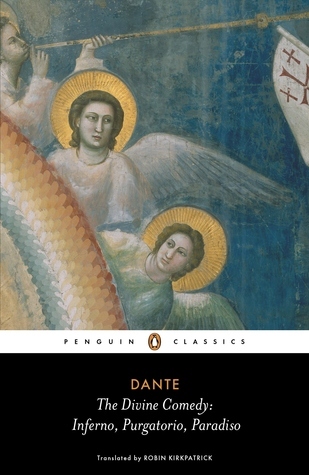
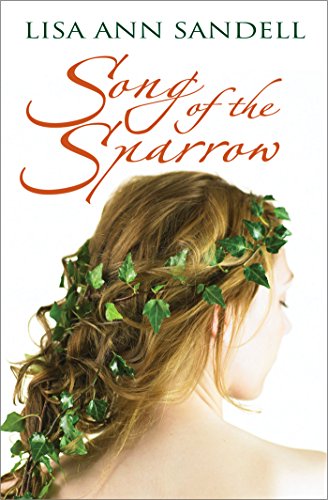
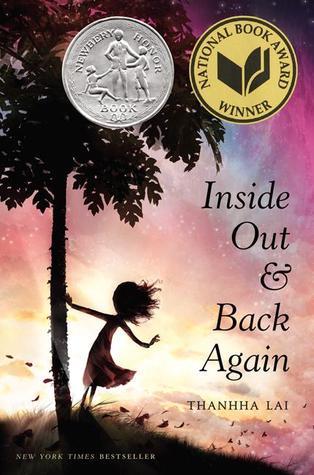
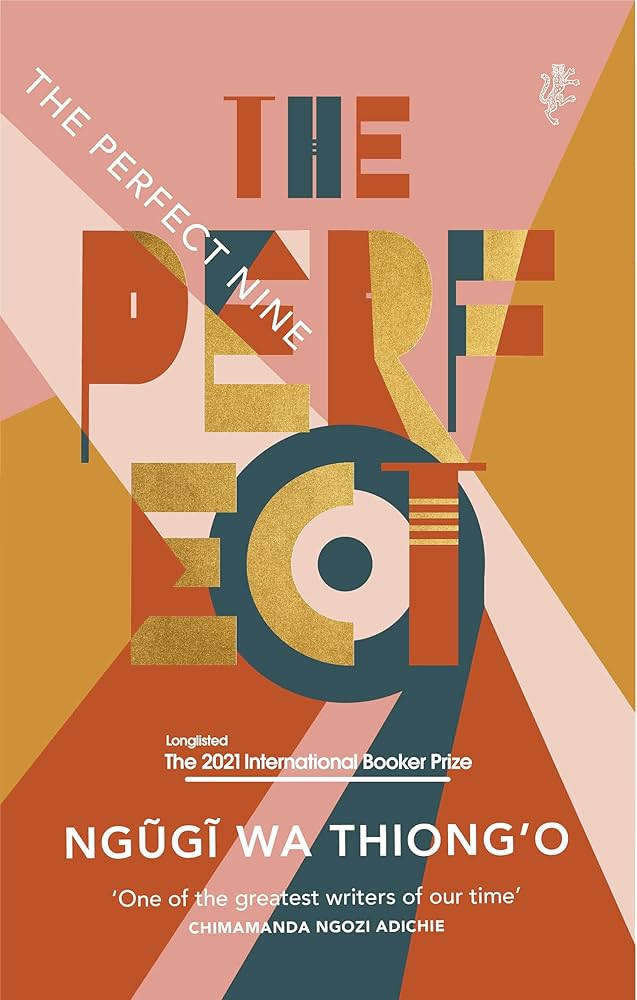
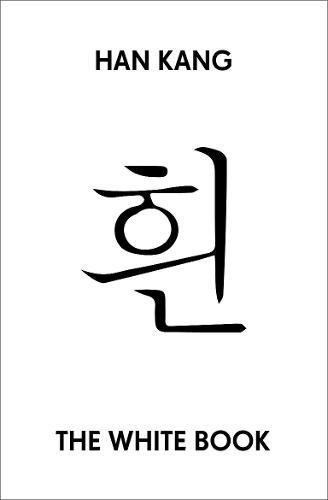
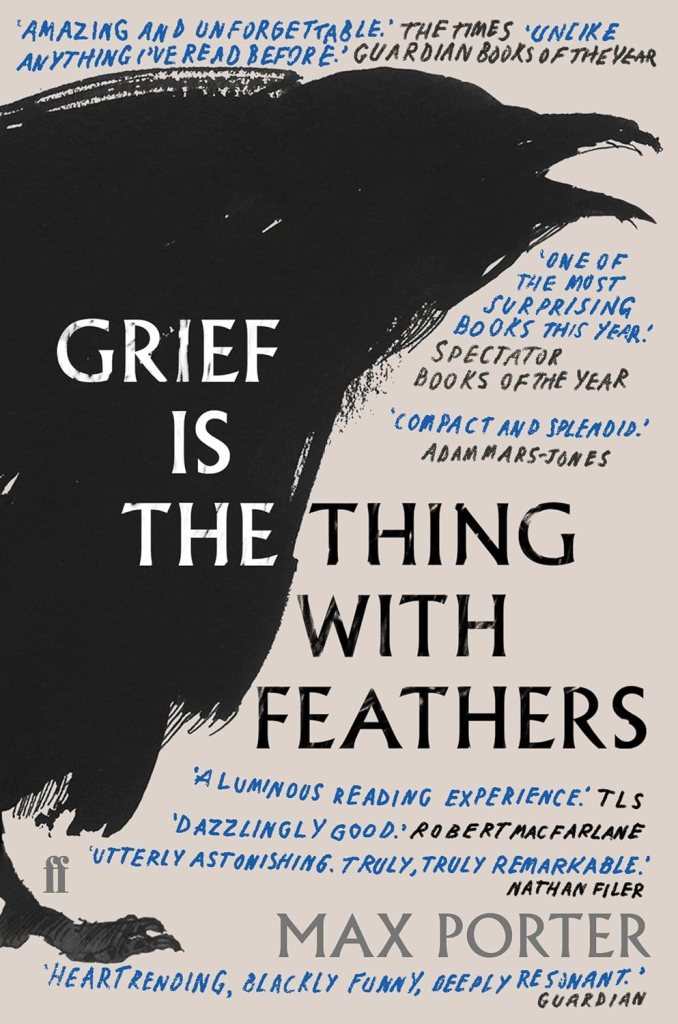
Of these, The White Book is arguably not a novel in verse. There’s a significant subsection of Korean literature that is written in a style somewhere between poetry and lyrical essay (sometimes moving between the two). Often these are nonfiction, so I haven’t included those above, but Han Kang appropriates that style to write something between thematic rumination and novel with coherent narrative, so I think that just about fits the definition of ‘novel in verse’ even though the ‘verse’ in question is slightly more prose-like than most of the other examples I’ve given above and the ‘novel’ slightly less novel-like.
There are also a few more novels in verse on my TBR (either owned or that virtual list of books waiting for me to have money, space and time), although I’m looking forward to seeing people’s posts this week to perhaps find some more suggestions.
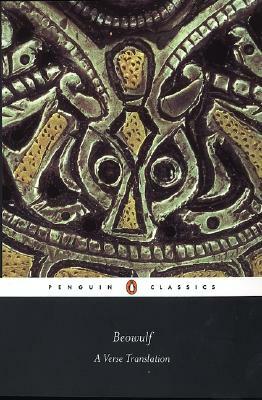
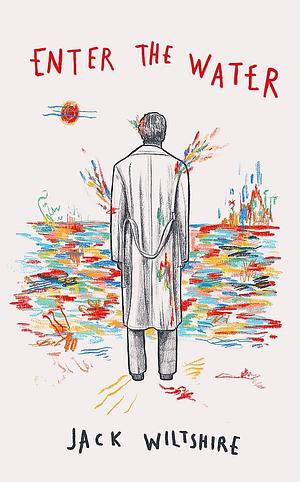
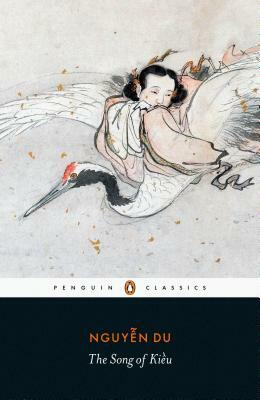
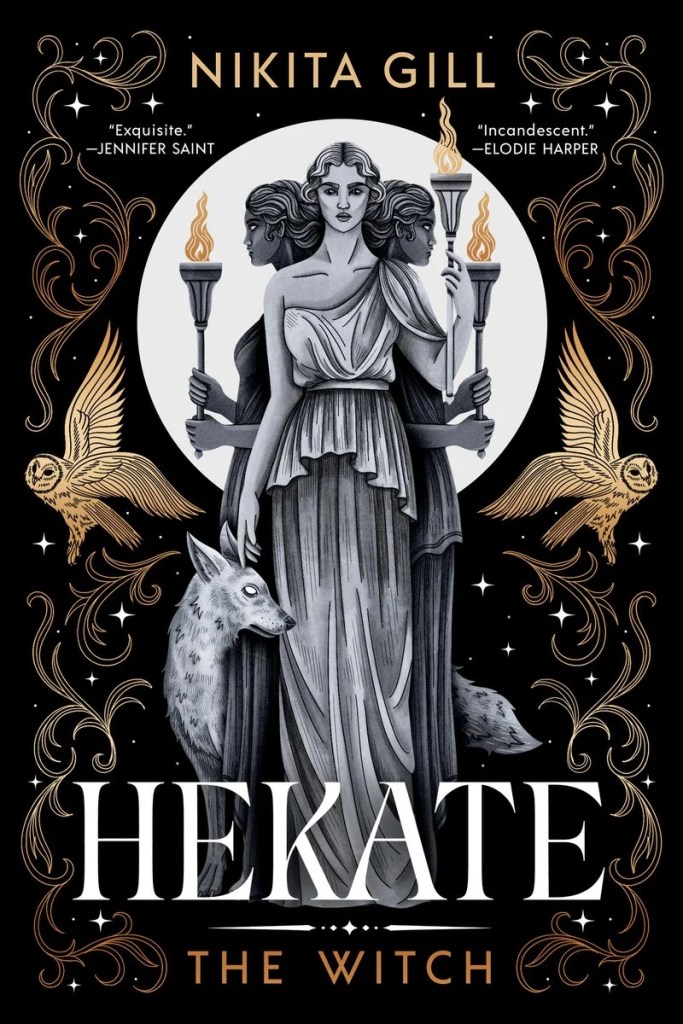
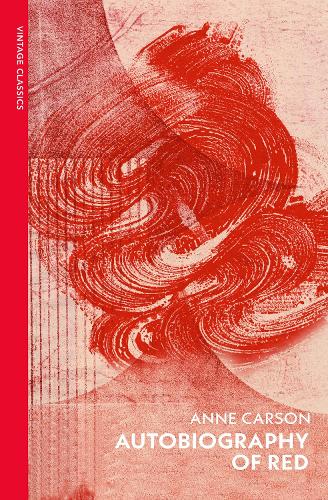
Do you think novels in verse can be more emotionally powerful compared to regular prose, or do you think novels in verse are more difficult to connect with?
I think both can be true depending on the story and the reader. When a story is significantly based on interpersonal relationships etc. I can often get a deeper connection through a novel written in prose, although that might be more because the author has a greater number of words to develop those relationships than in a novel written in verse. It also depends how classically poetic an author wants to keep a novel in verse – if they are more open to including multiple perspectives or dialogue within the verse, then that might help me connect to characters more.
I also think practice has something to do with it, since I read novels written in prose much more frequently than novels written in verse. But it also depends on the type of verse – some verse is more sparse, some more descriptive, some relies more on euphemism or extended metaphor and other verse is more straightforward.
I think that, for the moment, I find prose novels to be more emotionally moving and likely to stick with me than novels in verse, but I don’t think that is set in stone. I’ve read far more prose novels than novels in verse, so I’ve had more chances to find the ones that wow me. And equally, for some specific themes and approaches, I have found some great success with novels in verse. Speaking of which…
What kind of stories do you think work best in verse? What are your favourite novels in verse?
I think the most common types of stories I see written as novels in verse are classics (epic poems etc.) and, interestingly, YA stories. However, my favourite examples so far have been novels that are fore-mostly explorations of a certain theme or mood and only secondarily a narrative story. In these cases, I think that a novel in verse is a significantly better medium for the story than prose, as it allows for a more lyrical and thematic meandering through the story than I would accept from a prose novel.
In particular, I find topics of grief and loss (either death or feeling lost in one’s life) particularly compelling in verse form, which can be seen in my most recent favourite novel in verse: The White Book by Han Kang. I find these topics interesting to explore in regular poetry as well, so it might just be that, personally, the atmosphere of grief and loss is well-suited to verse. As a young teenager, I had a period where I was going through what I think was probably depression, and at the time, my medium of choice for expressing those emotions was (properly very poorly written) poetry, so perhaps I naturally associate explorations of darker emotions with verse.
That being said, I also like a hopeful or defiant poem, and I think those could work well as verse novels as well. The key, then, is that the novel is primarily an exploration of a theme, whereas for a prose novel I expect the primary level of engagement to be at the story level, with a secondary engagement at the thematic level.
What are your favourite novels in verse? Do you like reading novels in verse? Let me know below!
Keira x
![[Review] Daggerbound by T. Kingfisher](https://keirasbookmark.com/wp-content/uploads/2026/08/screenshot-2026-08-02-at-22.16.59.png?w=1200&h=900&crop=1)


 Keira's Bookmark