

Top Ten Tuesday is a bookish meme originally created by The Broke and the Bookish and currently hosted by That Artsy Reader Girl. I’m also actually on time this week, which is truly a miracle.
This week’s topic is a freebie: Non-bookish Freebie (The sky is the limit here. Make a top ten list on any topic of your choosing, bookish or not!)
I had originally planned to make this non-bookish, but I also wanted to do a post for women in translation month (which is August btw) as someone who a) loves translated fiction and b) works as a translator + is a woman myself. So in the end, I decided I would share ten of my favourite translated works by women.
I initially wanted to do each from a different country, but quickly realised that I’m not well-read enough to be able to recommend my favourites just a book and that’s not really what I wanted from this post – any list on the internet can do that! So instead, I will focus on the area that I’m most well-read in: Korean literature (I do have a Korean degree, after all) for my top 10 and then also end my post with some other suggestions that I enjoyed from other countries.
Korean books in translation
I’ve split this into a couple of sections, grouping similar types of books together so you can get an idea of what types of books there are available. This is by no means an extensive list of categories or books in each category – it is, after all, a top ten.
“Healing” Books
The “healing” book is a genre that’s been extremely popular in Korea the past few years and so quite a few of the books are being translated into English now as well. It often (but not always) centres around a shop of some kind and occasionally (but not nearly as ubiquitously as Japanese literature of a similar vein) has a magical realism element to it. Another common theme is that the shop and some of the characters stay the same throughout the book, but we explore the stories of different side characters in each part of the book.
These books are supposed to be “healing” in that they bring you comfort. They often have messages about overcoming hardship through friendship, community or the kindness of those around you, or they might talk about social issues like homelessness, struggle finding working (or keeping it) etc. but usually with a heartwarming and hopeful tone. Some of these books are incredibly trite (especially if you’ve read more than one), and some can make even those that don’t really like the genre give them a second chance.
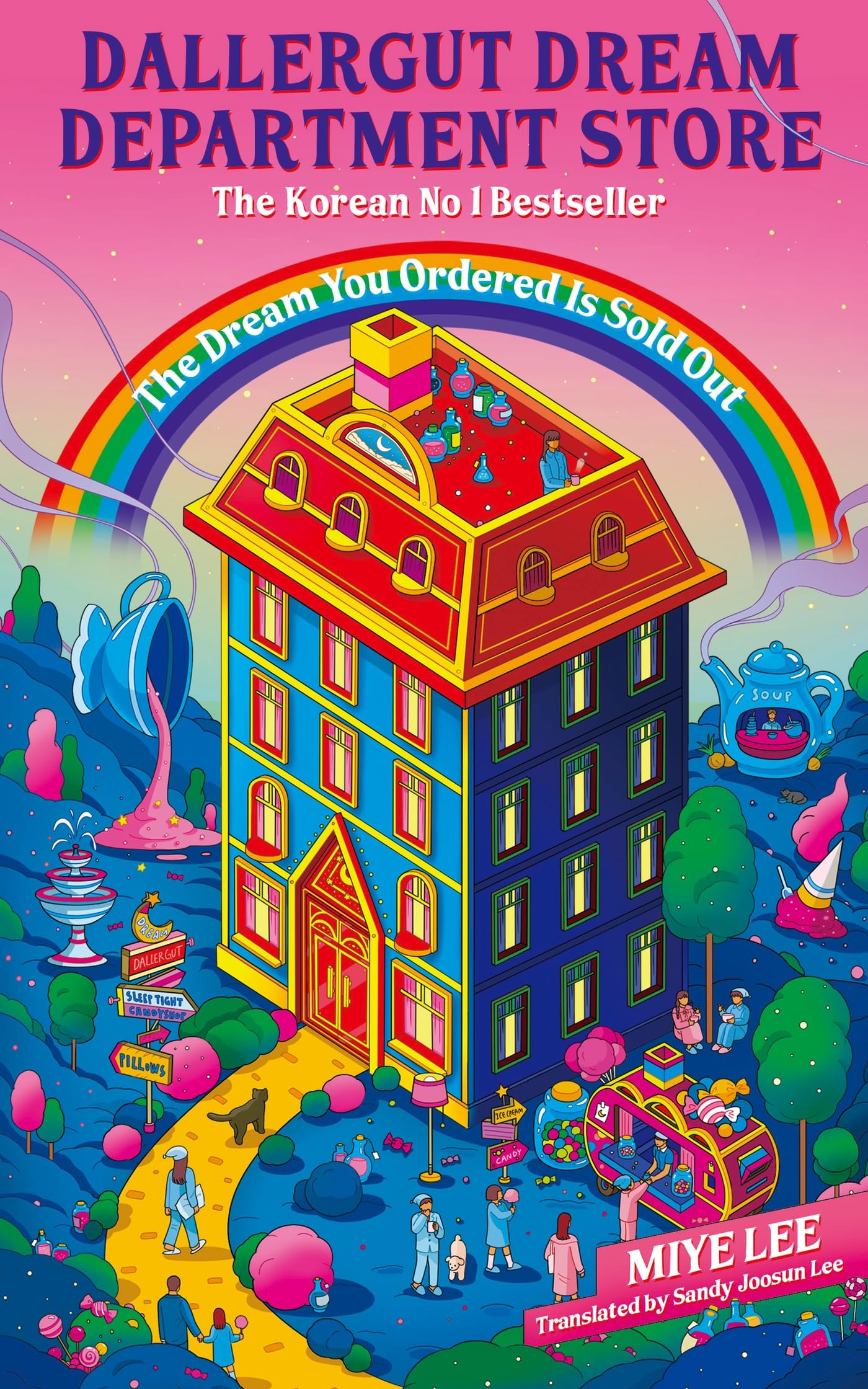
Dallergut Dream Department Store by Miye Lee (trans. Joosun Lee) is about Penny, a young woman from a town that only exists in our subconscious, who gets a highly-coveted job at Dallergut Dream Department Store – the shop where living beings (humans and animals included) come to ‘buy’ their dreams each night. Each part highlights a different visitor, their dream and their issues, all framed by Penny’s story as she starts her working life.
It’s not got a huge amount of plot, but you will probably like it if you like books like Before the Coffee Gets Cold by Toshikazu Kawaguchi, and it’s one of the classics of this genre.
I personally gave this one 5 stars at the time of reading because it made me sob on the train (see: dog), but I can objectively admit that of the three here it is the least technically accomplished. The writing in this book is admittedly quite bare-bones (which really works for the dog POV – objectively everyone’s favourite this book-, but might not work for everyone otherwise).
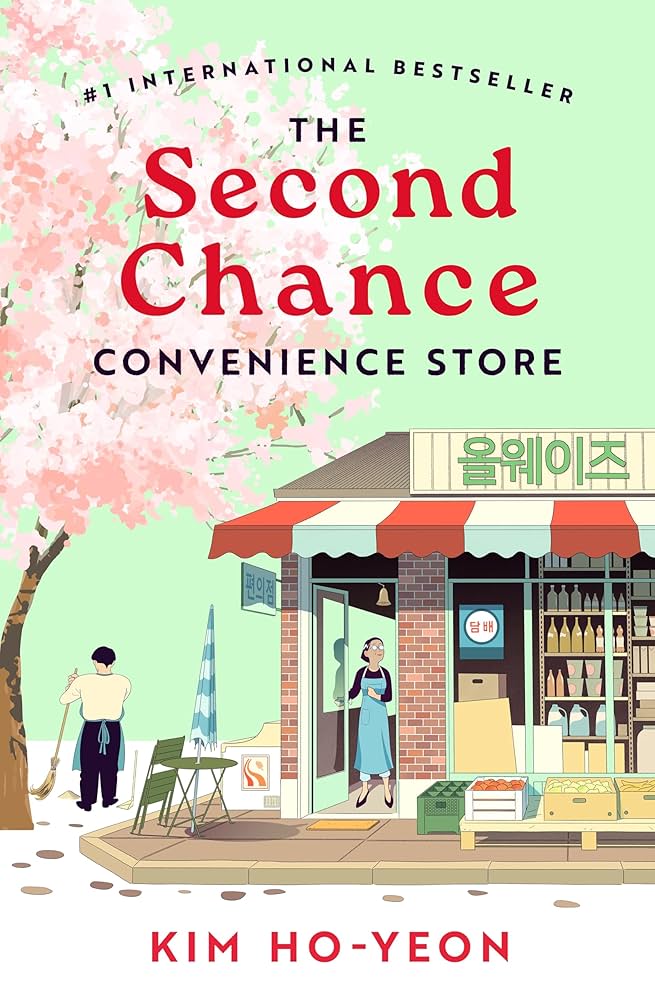
The Second Chance Convenience Store by Kim Ho-yeon (trans. Janet Hong) is overarchingly about Mrs Yeom, retired history teacher and small convenience store owner, and the homeless man with an unknown past, Dok-go, who she hires after he helps her get her lost wallet back.
There’s a bit of a mystery going on and there’s a bit more background plot here than Dallergut Dream Department Store, but similarly each part of the story features a different customer as the “main character” or POV for that particular part – these parts are significantly longer than the ones in Dallergut Dream, so it could be good if you are looking for a bit more character development and plot, especially if you like a mystery as we are always trying to figure out who Dok-go was. The writing is also less simplistic, although I can’t personally comment on the quality of the translation as I read it in Korean.
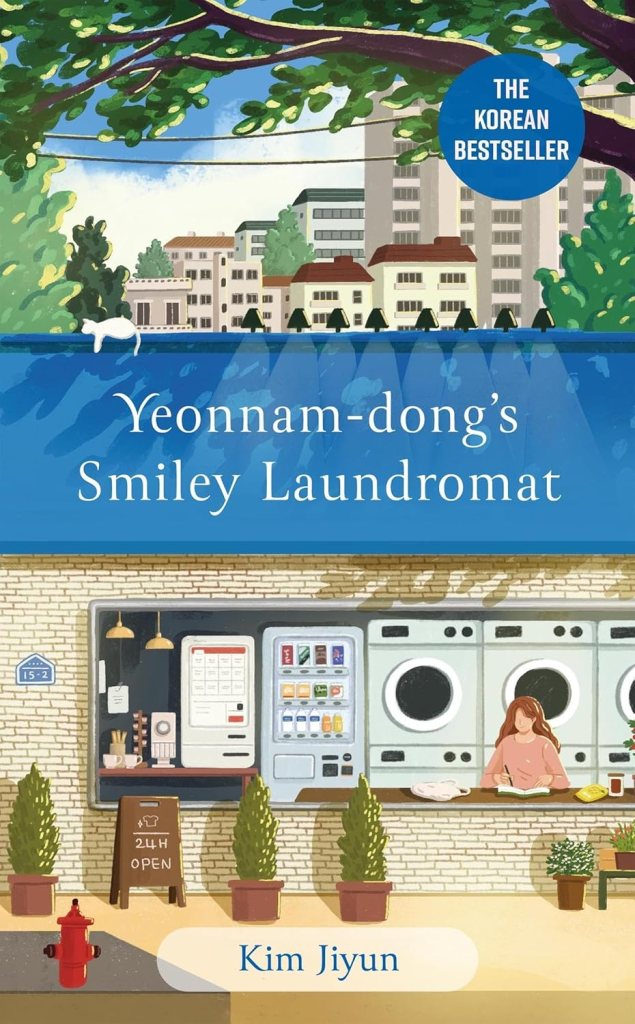
Finally we have Yeonnam-dong’s Smiley Laundromat by Kim Jiyun (trans. Shanna Tan). This is probably the best of the three, especially if you aren’t a huge fan of cozy books but want to give one ago. It centres around a laundromat in which someone has left a black diary that people end up writing about their issues in and responding to each other.
Like the other books, each part is the story of a different customer of the laundromat, but unlike the other two books, the stories of each customer don’t just end at the end of their part – they’re woven throughout the whole book until all of our stories are reunited in the final part for the last hurrah. Each of the stories is also a slightly different genre – everything from rom-com to mystery to literary fiction – which makes for quite a fun time as well.
This book is not as didactic as some other books in the genre, which makes its message about the importance of community, as well as its commentaries on social issues such as gentrification, even more powerful.
Women from the Past (and the Not-so-Past)
The second category will be books that give you an insight into Korea’s past. Now, these aren’t history books, but they are memoirs or historical fiction based on memoirs, so they should give you a fairly accurate idea of how people remembered the past, but in a more interesting story format!
Kim Keu Won was born in 1817, and at the age of 14, she went on a trip through Korea dressed as a boy – without her family. Later, she became the secondary wife of a government official and active in the first recorded poetic society of women. In 1850, she completed her travelogue, depicting the travels of her youth and her later her married life. It’s a truly lovely piece of writing and translation, giving an excellent picture of the life of a quite unusual woman, the landscape of Korea and Kim’s interior world and philosophical conception of the world.
What’s even better is that you can read it (and other, shorter works by women from premodern Korea) for free (legally) thanks to the Korean Literary Translation Institute.
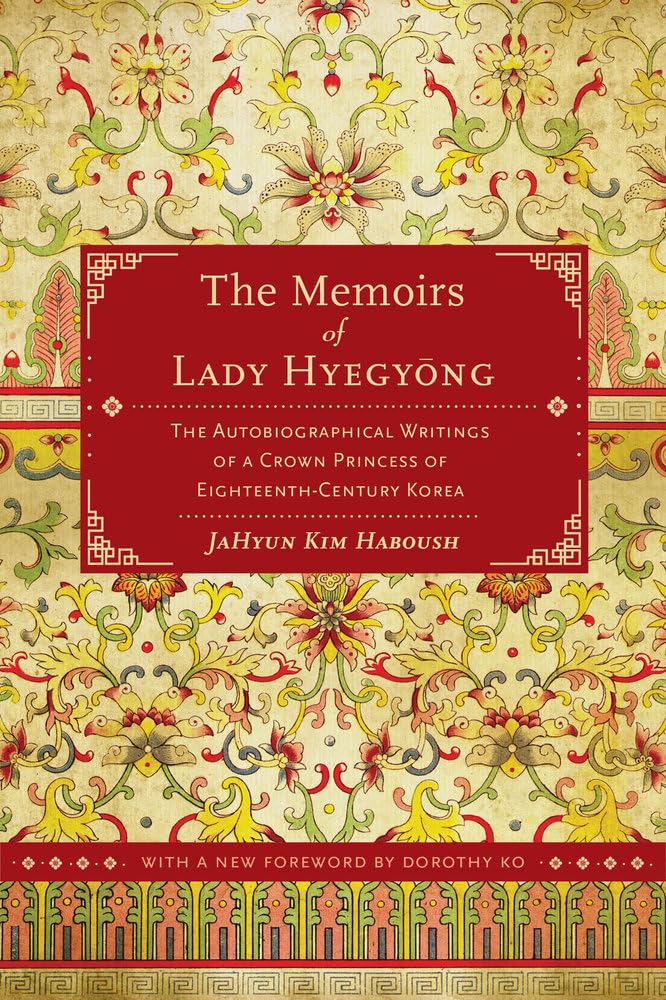
Going back a bit in time, we have The Memoirs of Lady Hyegyŏng (trans. JaHyun Kim Haboush). These are a little bit less accessible, and are somewhat repetitive, but are also both a masterpiece of Korean literature and the only full account of one of the darkest and most controversial events in Korean history – the death of Prince Sado, who was ordered to climb into a rice chest by his father (the King) and promptly locked in until he died. Lady Hyegyŏng was his wife, and her memoirs are written after the fact (between 1795 and 1805; Sado died in 1762) and for varying audiences and purposes – such as wanting to posthumously restore the honour of her relatives who were caught up in the politics leading to Sado’s death etc.
Apart from this main story, it’s also a really interesting insight into the life of women in the royal family at the time, and I actually used it as a major source for studying women’s conception of their political power during the Joseon period for my undergraduate dissertation.
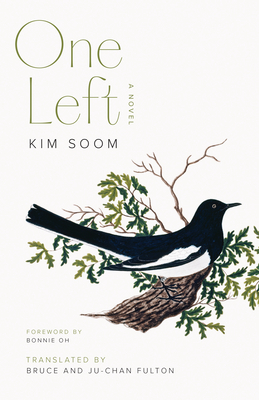
Finally, we have a book that is about a more recent history. One Left by Kim Soom (trans. Bruce and Ju-Chan Fulton) is a historical fiction novel about the final surviving “comfort woman”, and is written based on the actual testimonies of Korean “comfort women”.
If you’re not familiar, the “comfort women” were women from Japan’s colonies or enemies during the early-mid 20th century (up to the end of WWII) who were forced, coerced or tricked into becoming sex slaves for the Imperial Japanese military and suffered immense abuse. Those who survived often suffered lifelong health problems, social ostracisation and trauma. In more recent years, society’s view of these women in Korea has changed and there is now a great deal of support and outrage at their treatment and a push for reparations.
This book is about a woman who survived and is alive in our contemporary society (now an old woman), and looks at her life now and also her memories of her time during the war. It’s an incredibly important book, but please also be aware of the many, many triggers present in this book and check the trigger warnings before reading.
Another book that is supposed to be good for getting to know korean history through a fictional format is Han Kang’s Human Acts, which is about the 1980 Gwangju Uprising, but that’s a book that’s still on my TBR so I can’t exactly recommend it yet.
Contemporary Issues, Timeless Emotions
Social criticism isn’t just for the past, though! Modern day Korea has plenty of issues, and humans generally have even more issues (and emotions). This final category will look at contemporary literary fiction set in our present day.
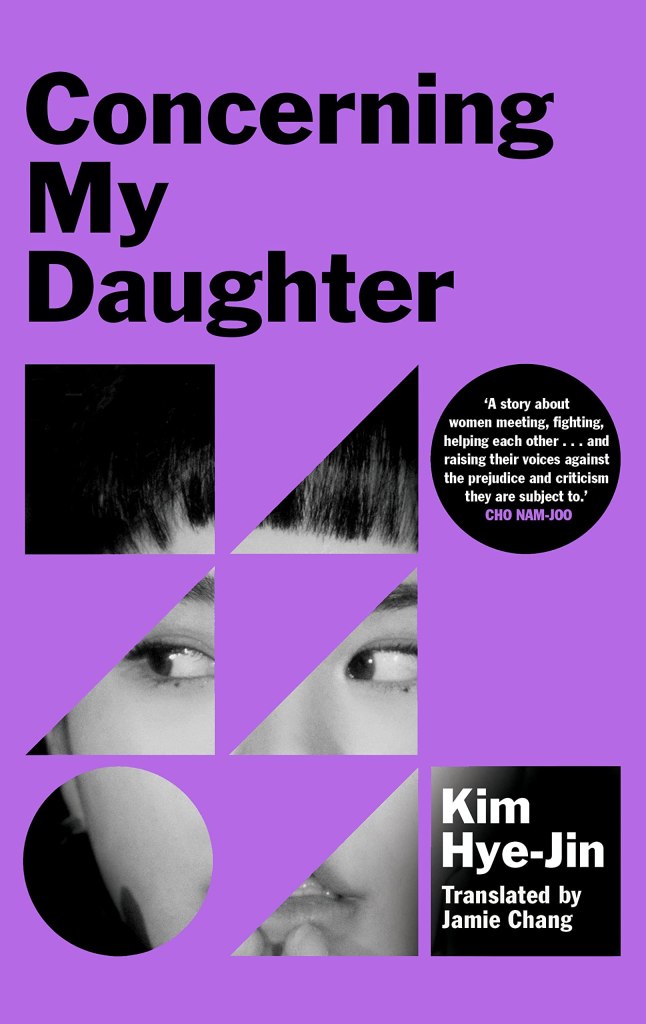
Concerning My Daughter by Kim Hye-Jin (trans. Jamie Chang) is a novel follows an ageing mother who works in a care home and has a 30-something-year-old daughter that moves back into her mother’s home… with her girlfriend in tow. As you might expect from a 70-year-old Korean woman, she’s not too accepting of her daughter’s strange (to her) definition of “family”. This explores societal and familial views on the LGBTQ+ community in South Korea as well as the personal, social and economic struggles people from said community experience.
It is not, however, a simple story of old-people’s conservatism vs young people’s open-mindedness. In fact, the story also touches on a lot of other issues in Korean society – including ageism, and the judgement (and real consequences of said judgement) towards people with atypical lives, careers or families – that can aggravate parents’ concern about any atypical decisions their children might make out of genuine concern for their well-being (even if said concern is perhaps misplaced). It’s incredibly nuanced and far more constructive than an outright attack on homophobic parents would be, whilst still calling out and problematising homophobia in South Korea.
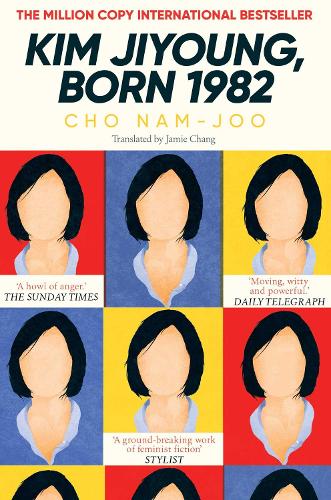
This is perhaps one of the first major Korean translations in recent years (after which we have seem to opened the floodgates to Korean literature of all kinds – not that I’m complaining) and so you might have heard of it. Kim Jiyoung, Born 1982 by Cho Nam-joo (trans. Jamie Chang) is the story of an “everywoman” and tells us about the life of a very average woman born in the 1980s in South Korea. Because of this there’s nothing particularly unique or interesting about our character’s life or character – and if you’re someone whose familiar with the life of a woman at the time, you might find it somewhat boring or predictable.
Either way, this is of course the point. It’s very much highlighting the frequency and widespread-ness of the sexism experienced by South Korean women. For this alone it was probably a 3.5-4 star book. However, the books end with a reflection from the woman’s (male) psychiatrist to whom this story is being told. I won’t specify why, because spoilers, but the last couple of pages of this book were so impactful and so important to me that it moved this all the way up to 5 stars (and I really don’t give out five stars often – max a couple a year, usually).
Quite a few of Cho Nam-joo’s works have been translated into English now. For example, her novel Saha has been translated as well, which focuses more on classism than sexism – and whilst it has important things to say about capitalism, it fails to deliver largely because it appears to have realised how intersectional the issues raised by capitalism and classism are and then attempts to cover all of it in 200 pages instead of narrowing in on one individual experience (it also then forgets to finish the story, but that’s neither here nor there).
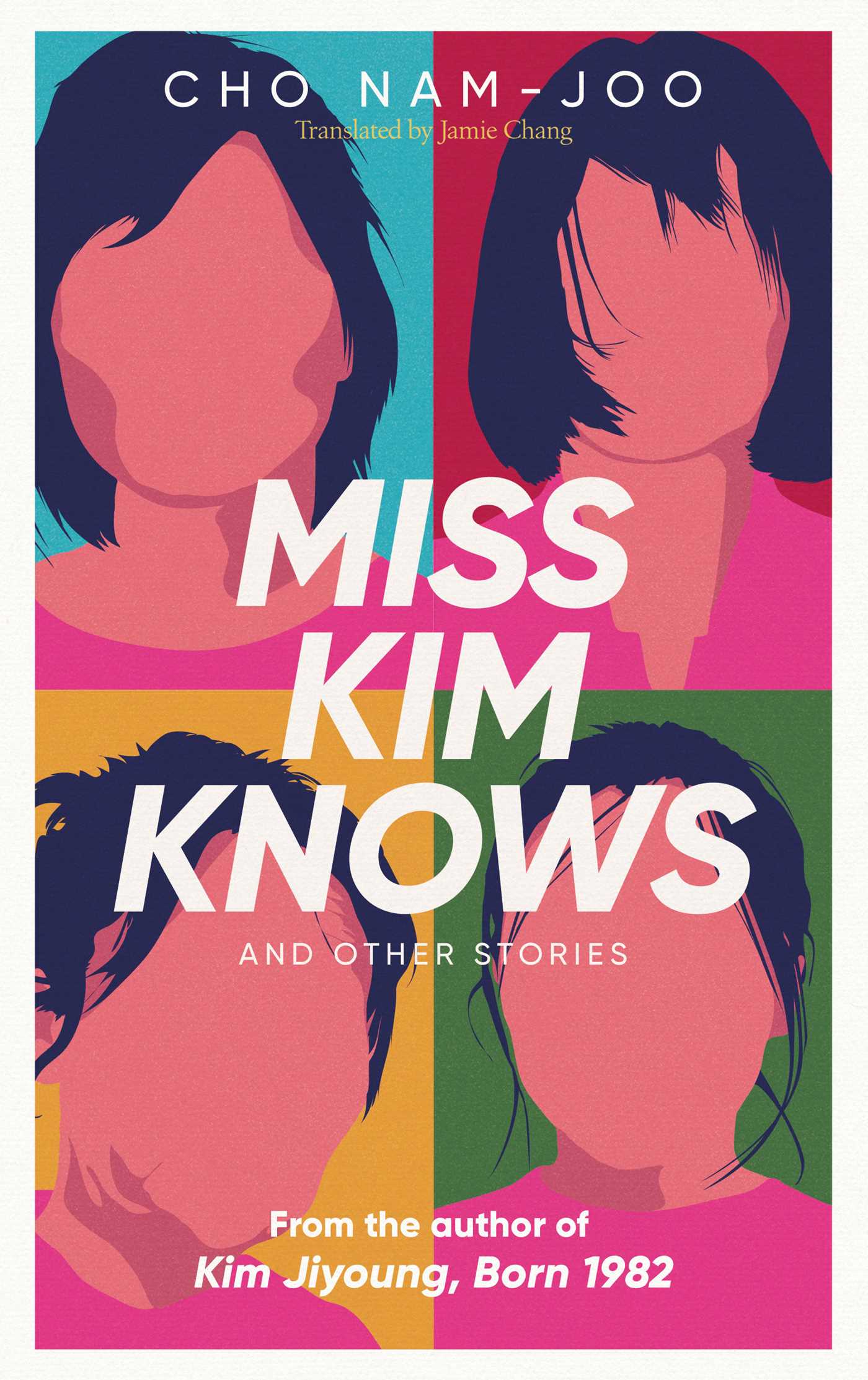
Saha might be worth reading on a cerebral level but one of Cho’s other works that I enjoyed much more was actually her short story collection Miss Kim Knows and Other Stories (trans. Jamie Chang). I think generally speaking her writing style (and Chang’s translation style) is more suited to short story than novel and I really liked the variety of topics we had in this book. Again it is largely focused on sexism and women’s experiences of the worlds, but it also touches on things like the impact of COVID-19 on young people and how sexism and ageism intertwine. You can find a mini review for this by me here.
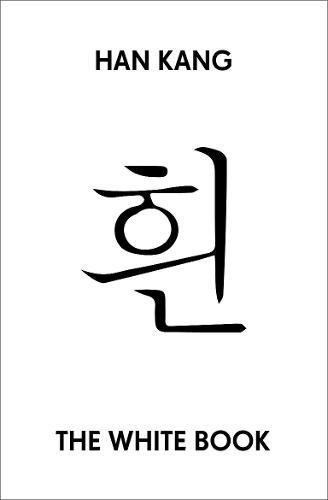
Finally, we have perhaps the best known Korean writer, not least because she recently won a Nobel prize – Han Kang. Suprisingly, I haven’t read her more well-known works such as The Vegetarian yet, but I have read a couple of her less well-known works. Of these, The White Book (trans. Deborah Smith) was my favourite. Unlike the other books in this category, The White Book is not really a social commentary on a particular issue, but rather a literary rumination-meets essay-meets poem-meets memoir about grief. The writing is exquisite and I gave it 5 stars (although I later downgraded it to 4 because the writing stuck with me more than the story, so I rarely think about it after having finished it).
If you want to give more literary Korean fiction a go, this might be a good choice, especially since the audiobook is under 1.5 hours long!
Books from other countries
If you’ve already read a lot of Korean fiction or it’s not for you (or if you just believe in reading diversely), then you might also want to try one of the following books.
- Poland: Drive Your Plow over the Bones of the Dead by Olga Tokarczuk
- Egypt: Woman at Point Zero by Nawal El Saadawi
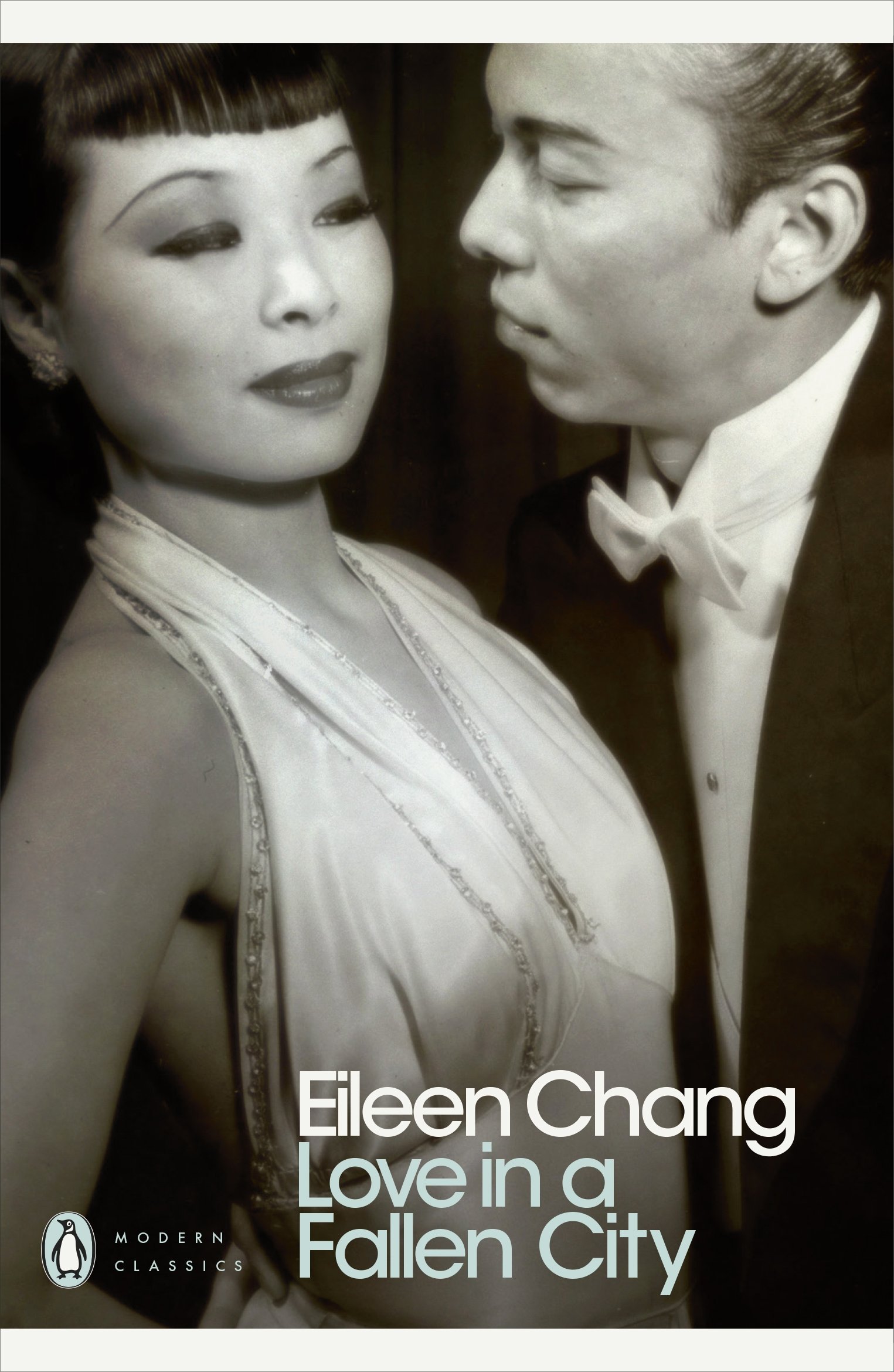
- China: Love in a Fallen City by Eileen Chang
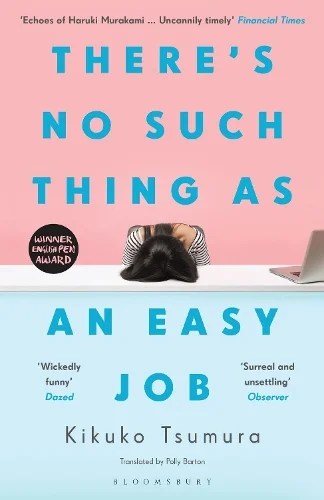
- Japan: There’s No Such Thing as an Easy Job by Kikuko Tsumura
Question Time
Have you read any of these books or any other books by women in translation? If so, let me know your favourites in the comments!
If not, have any of these inspired you to pick up more translated works by women and support women writing across the globe?
And that’s it for now!
Bye,
Keira x


 Keira's Bookmark