
This is mostly a book blog, but I’m also going to use it to talk a bit about some of my other hobbies as well, especially language learning! (Also I buy a lot of language learning-related books too, so it’s not not about books hehe.)
I’m currently studying Korean, German, Mandarin Chinese, Classical Chinese and Japanese at varying levels. As you’ll come to know quite quickly, I like making detailed and ambitious plans (even if I don’t always follow through/dramatically edit later), so I thought I’d make a public record of my initial thoughts regarding my language learning plan for this summer. This should take me up to the beginning of my master’s programme, which I’m starting in September, so we’ll see how much of it I manage to get done!
If you’re more interested in some languages than others, feel free to use the table of contents to skip around.
Otherwise, read on!
Some final housekeeping!
Read this section if you want to understand the way I am representing my language levels in this post. If you’re not interested, skip ahead to the good stuff!
Throughout the post you might see some graphics like this:

This is my way of indicating my current level in a language and it is loosely based on the CEFR system. If you want more detail on the CEFR system or the equivalencies I make between other language level systems and CEFR, see this page.
Each of the vertical lines in the loading bar represents a new CEFR level with the first being A1, then A2, then B1, B2 and C1. The two ends of the chart represent nothing (pre A1) and C2, the highest possible level. The more purple rectangles the are, the higher my level, and the darker the purple the more solidified said level is.

Study Plan
Korean


Korean isn’t a major priority for me these next two months as it’s my best language and can therefore quite easily stay on maintenance mode for a while. I also use it a lot for work so it doesn’t degrade too quickly.
That being said, I do have a couple of in-progress projects I want to work on and I do want to start easing back into some more serious, focused Korean study as well.
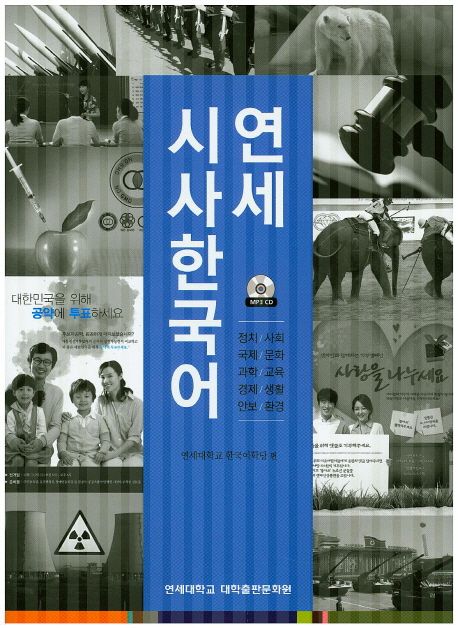


For my active studies, the main thing I’m going to be focusing on is revitalising some topic-specific vocabulary (not TOPIK-specific, topic-specific). For this my plan is to work through some thematically organised textbooks with varied exercises.
- 시사 한국어 (News in Korean): This book features short news texts with a variety of exercises to practice all of the skills. I plan to complete the section on politics (2, 3) and the section on society (4-6).
- 전공 한국어 인문 (Korean Language for Humanities Students): The chapters in this one are a little longer, with one extended text, a shorter text, exercises for all the skills and information and terminology specific to the subject area. I plan on doing chapter 5, which is on history.
I also plan on using translation to help widen my Korean vocabulary, improve my creative writing skills and, of course, train my translation skills.
One of my favourite series as a teenager was the Throne of Glass series and I own the third book (불의 후계자 Heir of Fire) in Korean as well as English. My current plan is to alternate weeks – one week, I translate a section of the book into Korean, and then the next I compare my choices to the official translation.


One of the reasons I’m not going too heavy on the formal language learning here is because I’m currently doing a Korean teacher training programme and I’m working through about six lessons of theory per week, taught all in Korean.
Aside from that, I also want to watch some K-Drama episodes – I’m not particularly fussed about what or how, but I’m currently thinking I might watch 미지의 서울 (Our Unwritten Seoul).
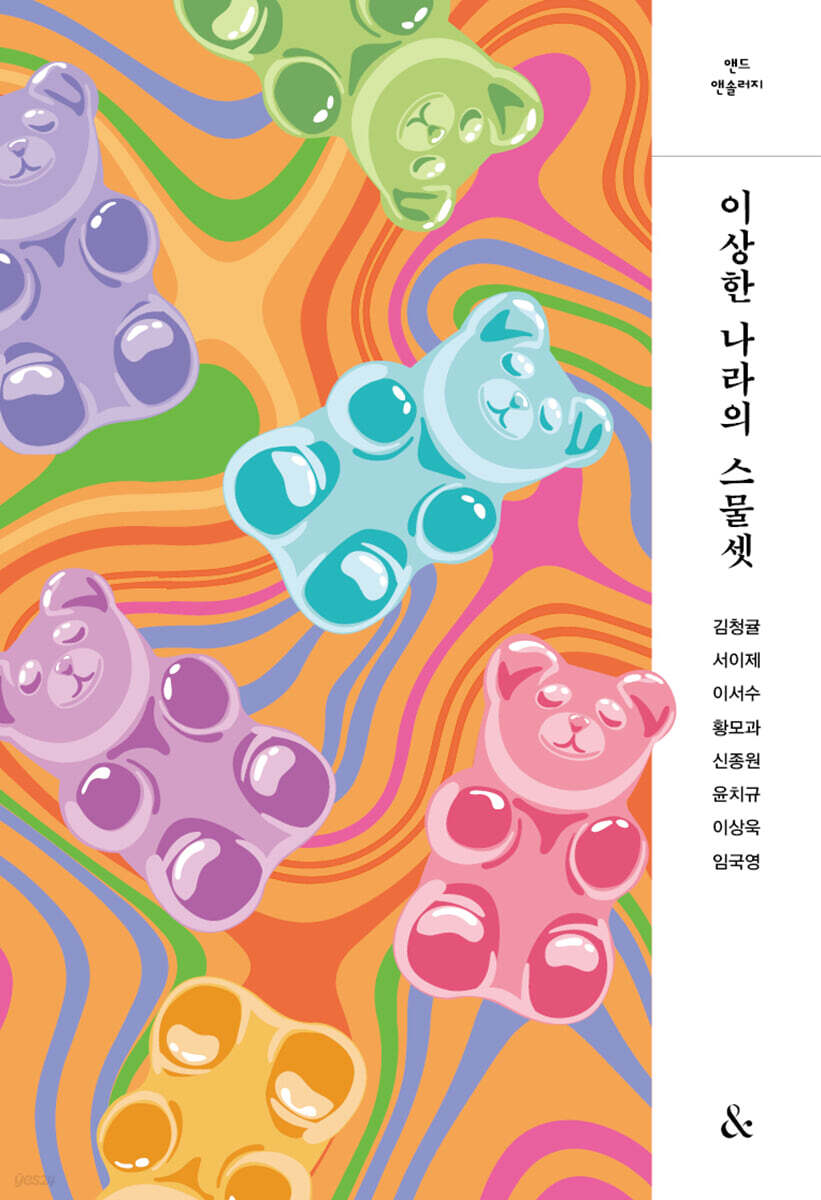
Finally, I’m not letting myself continue to forget about reading 이상한 나라의 스물셋 – I will! be finishing it before the end of the summer, which means I need to read about one short story per week.
German


From mid-April to mid-June I did the Lingoda Sprint (the one where you take a class everyday). Although I failed about a week from the end (oops), it still did wonders for getting me back into German study and refreshing a lot of my rusty vocabulary and grammar.
(If you’re interested in my language learning journey, check out this post on Substack!)
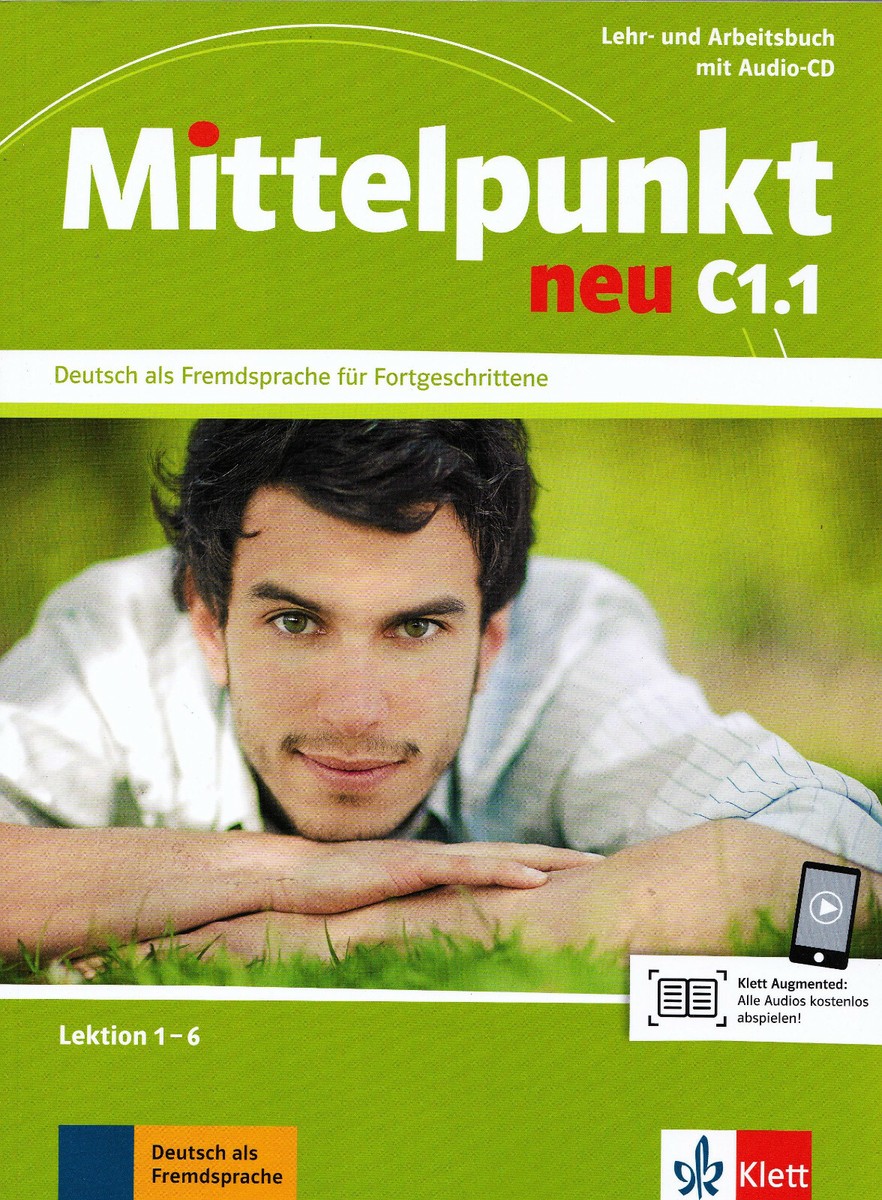


This summer I have two main focuses for German: starting to work through C1 material, and continuing to revise grammar – especially finishing the books on A1-B1 grammar that I had started before going to Taiwan. Specifically the plan is:
- Mittelpunkt C1: work through lesson 1 and 2 (including the textbook, workbook and vocabulary/grammar trainer).
- 한번에 끝내는 독일어 문법 초증금편 (German Grammar in One: A1-B1): finish the remaining 10 grammar points.
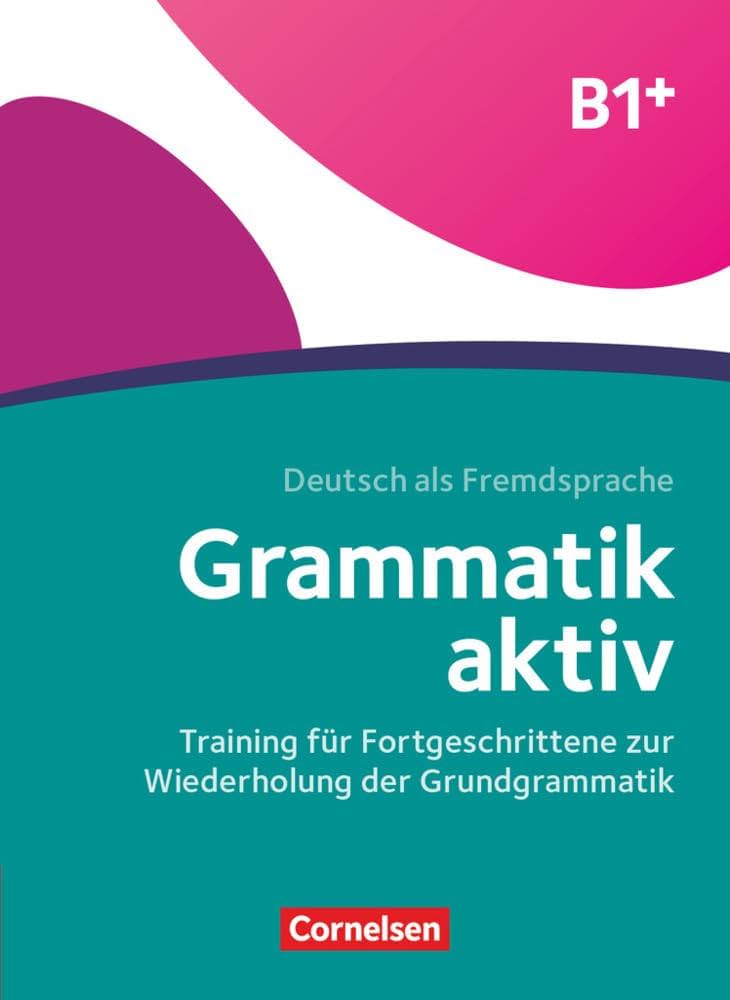
- Grammatik aktiv B1+ (Review of Basic Grammar for Advanced Learners): finish the book – I’m currently on chapter 7 and there are 20 chapters total, each a couple of pages long.
- Deutsch üben – Artikel (Practice German – Articles): review section A and complete sections B-H (finish the book) whilst doing lots of spaced repetition (🤢 boring but necessary in this case) to learn the articles for the nouns.




I’m also trying to massively increase the amount of exposure I get to German passively, which I’m splitting into reading and non-reading activities.
For reading I want to finally finish the short story collection that I’ve been not-reading (i.e. not picking up) for months: Lauter Leben (Live Louder) by Helga Schubert. I’m hoping to force myself to just power through the whole thing whilst on holiday in Switzerland for the next week and a half.
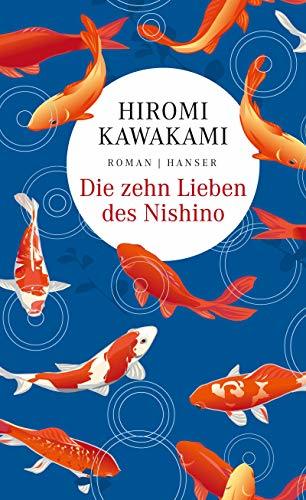
After that I’m hoping to keep some momentum in my German reading by reading novels and not giving myself too much time to read them, so I can’t put them down for months at a time. I’ve tentatively picked Die zehn Lieben des Nishino (Nishino’s Ten Loves) and Seide und Schwert (Silk and Sword), but I will be going to a bookshop when I’m in Switzerland so I’m leaving that a little bit open to change.
For my non-reading activities, I plan to watch the first season of Biohackers (a German TV show) and then once I’ve finished that I’ll switch to daily news podcast listening. I’m also going to visit my dad, who lives in Switzerland, so I should get to speak some German there.
Mandarin Chinese

For Chinese I’m not expecting rapid progress, but I would like to make sure it doesn’t degrade over this summer now that I’m not living in Taiwan anymore, and I’d like to get an idea of how long it takes me to work through a chapter of some of the main material I’d like to study with before the new academic year starts.

- HSK Standard Course 6A: I’m planning on doing lesson 1 and 2 of the textbook and accompanying workbook.
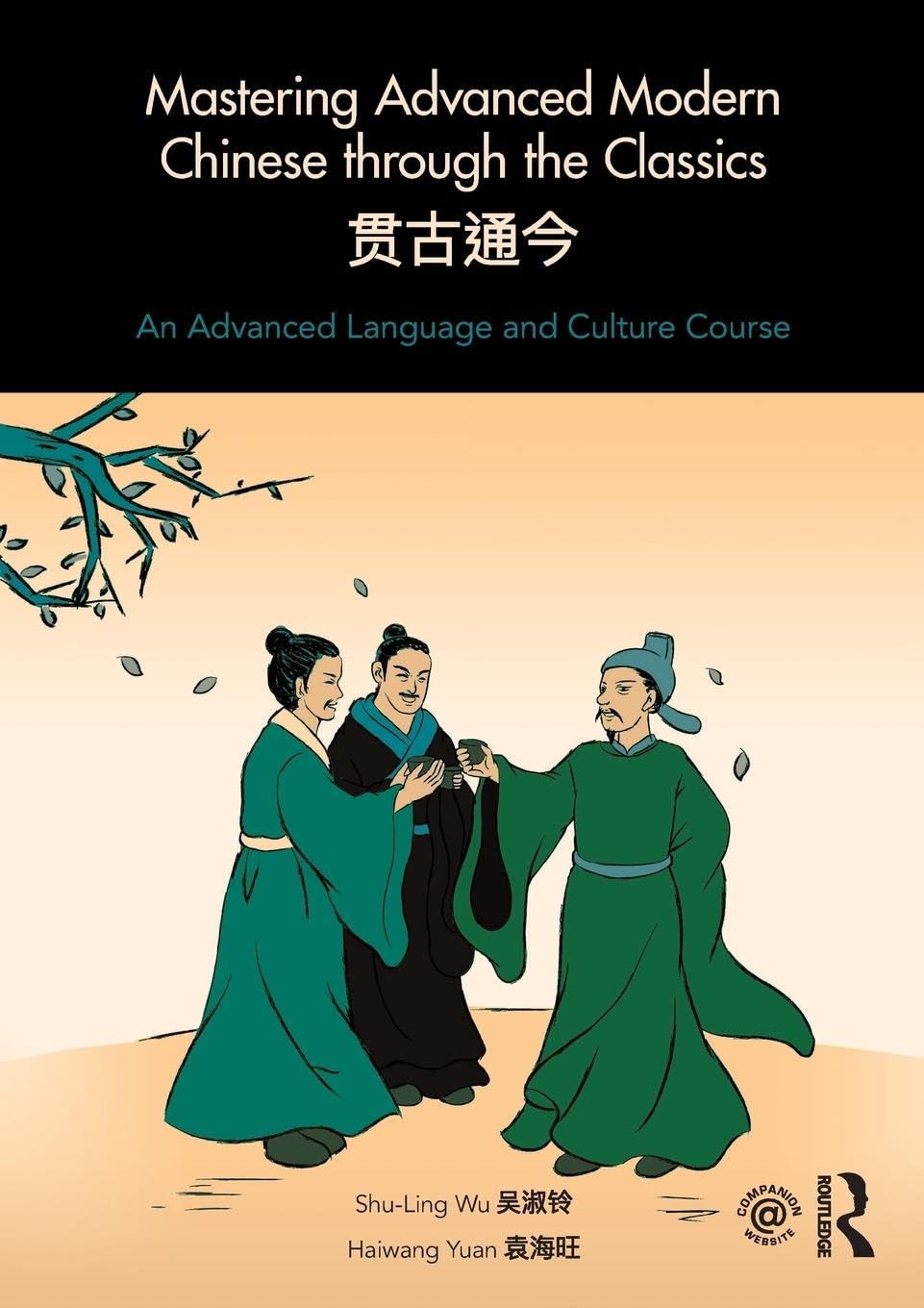
- Mastering Advanced Modern Chinese through the Classics: Lesson 1 and 2 of this too! This is a mix of classical Chinese and modern Chinese, but the main focus is improving your modern Chinese, which is why I’ve put it under Chinese and not Classical Chinese.
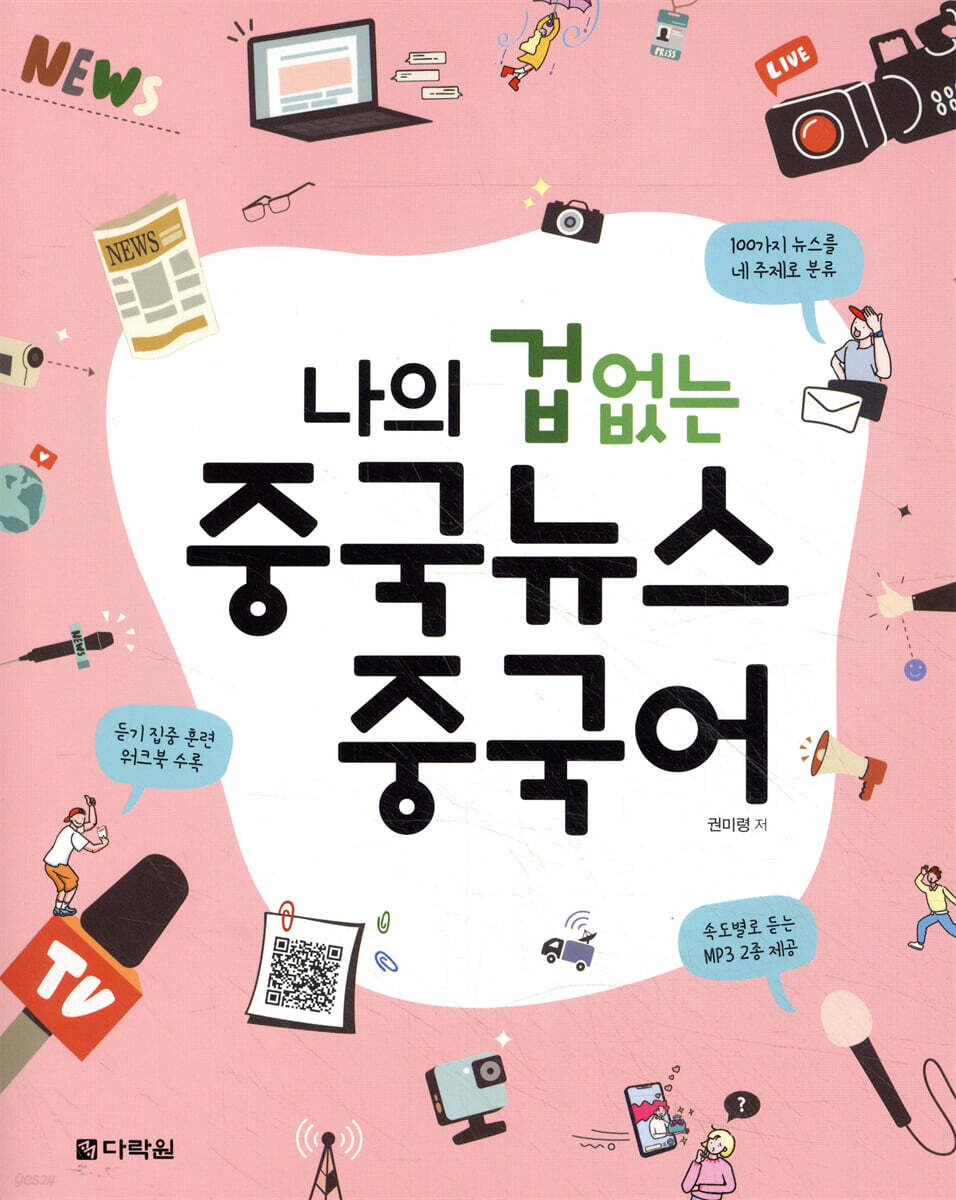
- 나의 겁없는 중국뉴스 중국어 (My Fearless Chinese News): These are short and not too difficult articles, with the beginning being mostly daily life topics like food and culture, so I’m hoping that I can read a couple of these a week to slowly train and increase my reading speed!


For more passive learning (although here it’s more semi-active), I’ll be doing both some reading and some watching! I plan on reading the first volume of the 異人茶跡 (Formosa Oolong Tea) manhua series, as well as rewatching one of my favourite modern shows “Road Home” without subtitles (or with Chinese subtitles only).
Classical Chinese


When it comes to Classical Chinese, I’m trying to to make sure I have the basics down at least somewhat shakily before starting my master’s degree in East Asian Studies in September.


My plan here is pretty simple as I’m just following the Outlier Linguistics introductory course, which uses Michael A. Fuller’s An Introduction to Literary Chinese. I did lesson 1-3 a couple of months ago, so I need to revise those, and then I plan on doing lessons 4-8 as well, which will get me through all of the basic grammar sections of the course.
Japanese


Japanese is my final and least familiar language for the summer. I’m a complete beginner here, so the focus is going to be on increasing exposure and getting down some of the basics.


I’ve been really struggling with the brute memorisation method for learning hiragana (largely because I struggle to force myself to memorise anything ever), so I’m going to try using the Reading and Writing Japanese Hiragana workbook from Tuttle which appears to teach more through vocabulary words than endless repetition of the same syllable.
Apart from that I’ll be working through two textbooks I picked that start at the complete beginner level.
These are both Korean textbooks as Korean grammar is closer to Japanese so I thought it would be easier to learn like that. They also come with a suggested study plan, which I’m not following exactly but I’m essentially looking to complete days 1-21 of each of the plans.
- 착! 붙는 일본어 (Japanese That Clicks!): This books covers the N5 and N4 levels in 16 chapters, and I’m hoping to get through the introductory preamble + chapters 1-11 this summer.
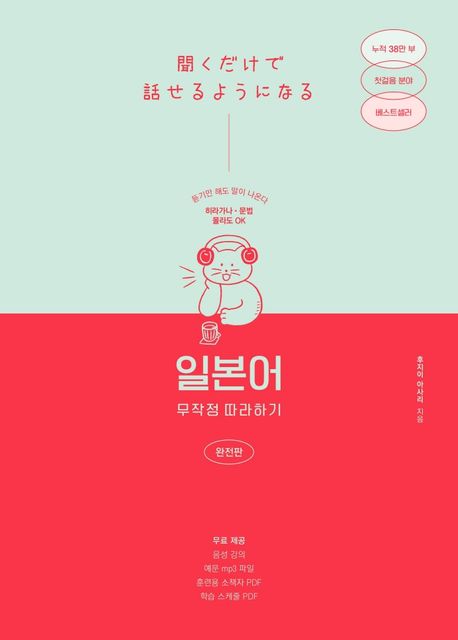
- 일본어 무작정 따라하기 (Just Follow Along Japanese): This book is longer and covers more ground, I think roughly N5, N4 and N3 (at least part of it), but I will be focusing on using the listening-first approach they recommend and studying chapters 1-18.


In terms of passive learning, I’m hoping to watch about two or so episodes of a Japanese drama per week. I’m not super into Japanese media (except for novels, which are a bit beyond me at this point) so I really need to make an effort to get in some passive learning. I’ve picked two shows to watch this summer: Who saw the peacock dance in the jungle? and The Makanai: Cooking for the Maiko House.
If you have suggestions of other things I might like to watch, let me know! So far, the only Japanese show I’ve watched beyond a couple episodes is the The Apothecary Diaries anime.
Question Time!
What languages are you studying and how do you like to study them? Let me know!
Until next time,
Keira x


 Keira's Bookmark